




I. The Perfect Select Philosophy: Enhancing Your Wine Experience
Let’s face it: the world of wine can feel overwhelming at times. You put effort, cash, and hope into a nice bottle, but the first sip might not match the tasting notes from the cellar. That’s why good tools matter so much. They help close the space between what the wine could be and what it truly becomes.
Picture a buddy who loves wine just like you do—a buddy with a sharp focus on the little things and a strong drive to make enjoying it better. That buddy captures the heart of Perfect Select.
We do more than just supply items; we pick and choose to improve how you enjoy wine. Our story started with one basic idea: the container should honor the drink inside it. This promise shows up in high-quality glass items, carefully made to release the complete range of smells and feels from your top picks of wines. We pay close attention to two main parts of serving: clarity and aeration. We think that each pour, each swirl, and each taste should bring pure, straightforward joy without any interference. By mixing solid know-how about how wine works with classic style, we make items that work well for the best tasting and also look beautiful as pieces of art. When you pick our choices, you get more than glass items; you take on a way of thinking that makes sure every bottle you open shows its best side. Our aim is to help you, the wine lover, go past just drinking and step into the skill of careful enjoyment. We make sure your tools match the high level of the wines you gather.
II. Essential Knowledge: Distinguishing Your Vessels
Before we get into the details of how to use them, it’s important to make a clear split between the two main containers used after the bottle: the graceful decanter and the flexible carafe. Both hold wine, but their goals and shapes point to very different jobs.
The Decanter: An Instrument for Aeration and Clarity
The shape of this tool follows one main goal: to increase the wine’s touch with air as much as possible. It is a focused piece built to handle two key tasks that really change how the wine tastes in the end.
- Function 1: Promoting Aeration: People often call this “breathing.” Wine kept in a bottle has its smell compounds locked up tight. Putting the wine into a wide, open container lets it mix with oxygen fast. This quick change with air softly eases strong tannins, which show up a lot in young red wines, and lets deep, quiet scents open up and grow. This shift makes the wine easier to drink, more full of smells, and better at showing its true self.
- Function 2: Removing Sediment: In older wines that have aged well, small bits of color from pigments and tannins settle at the bottle’s bottom. If those bits end up in your glass, they can add a rough feel and sharp tastes. Pouring slowly and with care into this kind of container makes sure those bits stay in the first bottle, giving you a clean, bright way to taste it.
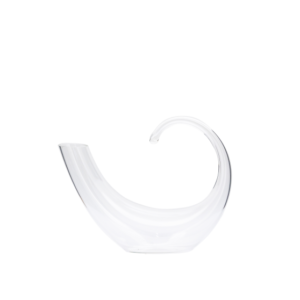
The top kinds of this glassware, like the Unique Shape Wine Decanter, have a big base and a slim neck. This setup gives exactly the large open space needed for aeration, so it becomes a must-have for people who want to get the most out of their wines.
The Carafe: Versatility and Presentation
Unlike the focused tool we just talked about, the carafe tends to be a basic, straighter container. Its main jobs are about looks and everyday use, which makes it very handy for normal serving.
- Role 1: Everyday Utility: A carafe can give a little aeration just by taking the wine out of the bottle, but its shape usually focuses on easy grip and pouring. It works great for water, juice, or simple table wines that don’t need strong air mixing.
- Role 2: Elegant Presentation: Serving wine by pouring it into a carafe often happens just to make it look good. It lets you bring a bottle to the table without showing the label, so the focus stays on the people and the moment.
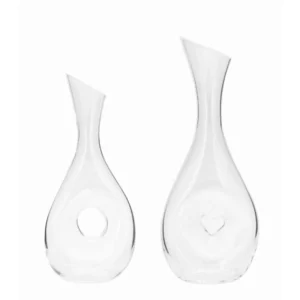
The finest ones, like our Lead-free Crystal Glass Wine Carafes, put clarity and basic beauty first, which makes them ideal for times when nice looks matter more than deep aeration. They come from clean, safe stuff to keep the drink pure and shining visually.
III. The Professional Timing: When to Decant or Carafe
What sets a beginner apart from a pro is knowing the right time to pick one tool over the other. It’s not a fixed rule for all cases; the choice depends fully on how old the wine is, what kind it is, and what you want it to be like.
The “Must Decant” Scenarios: When the Instrument is Essential
Some wines really gain from the strong air contact that the wide-based tool offers.
- Young, Robust Red Wines: Wines like Cabernet Sauvignon, Barolo, Syrah, or Bordeaux, usually put in bottles soon after picking, have lots of firm, built-up tannins. The air from the tool works like fast aging, smoothing the rough parts and bringing out the rich fruit and spice flavors that stay hidden at first. These wines often need the most time to breathe, sometimes as long as two hours.
- Wines with Visible Sediment: Any bottle, no matter the type, that has sat for seven years or longer usually has a thin layer of dark bits at the bottom. Using the tool here is a must for keeping things clear and smooth in your mouth.
The “Proceed with Caution” Scenarios: Older and Fragile Wines
When you handle very old and special bottles, the aim changes from making the wine better to keeping it safe.
- Aged Wines (20+ Years): These wines have gone through a slow, soft growing process right in the bottle. Their gentle smells from later stages, like tobacco, leather, or dried fruit, react strongly to air. Too much aeration can make them lose strength fast—a thing called “falling apart.” For these, the container’s job is mostly to get rid of sediment. Pour with care and serve right away, giving just a tiny bit of time for breathing.
The “Carafe is Suitable” Scenarios: Light and Simple Wines
- Light-Bodied Reds and Most Whites: Types like Pinot Noir, Gamay, most white wines without oak, and rosés have few tannins and are already open and lively. Putting them in a carafe for fast serving at the table works well and is often better, since they don’t need much air and can even get hurt by too much of it.
IV. Mastering the Technique: Your Step-by-Step Guide
Getting the container right turns a simple pour into a careful practice, making sure you get the best outcome each time.
- Preparation is Key: For wines that might have sediment, keep the bottle standing straight for at least a full day. This lets all the bits drop to the bottom solidly.
- The Environment: Pick a spot that’s clean and has good light. The light matters a lot; a candle, a lamp, or even the flashlight on your phone placed behind the bottle’s neck will help you see clearly.
- The Slow Pour: Take out the cork and start pouring the wine into the wide-based container in one slow, steady flow without breaks. Stopping and starting can mix up the sediment.
- The Watchful Eye: Watch the bottle’s shoulder and neck closely, with the light showing the wine’s path. As you near the bottle’s end, small, cloudy bits of sediment will appear moving through the neck.
- The Stop Signal: When you spot the first sign of solid bits entering the neck, stop pouring at once. Don’t try to get the last drops; it’s okay to leave a bit of wine with sediment in the bottle to keep the rest pure in the container.
- The Wait Time: Check your guide or follow what feels right for how long to let it breathe. Strong young wines might sit for an hour or longer, but older ones should go to the table quickly. A gentle swirl in the container can help if you’re in a rush.
Following these steps with attention makes sure only the clear, lively wine hits the table, living up to what the wine maker intended and boosting your own fun. Putting money into the proper tools and learning the method is the best way to respect the work of the wine maker and lift your personal pleasure.
FAQ
Q: How do I know if my specific bottle needs to be decanted or carafed?
A: In general, if it’s a red wine famous for its strong build, like a full-bodied Italian or a high-tannin New World Cabernet under 10 years old, it gains a lot from air in the wide-based tool. For an older red over 15 years, focus on clearing sediment; use the tool gently and serve fast. Light reds and most whites do fine with a basic carafe for serving.
Q: Does the size or shape of the decanting instrument truly make a difference?
A: Yes, it does. The main thing is the open space. A wider base means more wine touches air at once. This boosts the speed of aeration, which is key for opening a young, closed-up wine. A tall, narrow container gives less space and fits better for light air or plain serving.
Q: Is it possible to over-aerate wine, and if so, how can I avoid it?
A: Yes, you can over-aerate, mainly with older, softer wines where the deep, quiet smells can fade quick with too much air. To skip this, only put older wines in the container when you’re set to serve them right away, giving time just to pull away from sediment before glasses. If unsure, go safe and serve earlier.

Post Comment