




If you are an old hand with a storage room packed with unusual smoky types or just someone who likes a simple weekend sip, you probably get that whiskey means more than a basic beverage. It turns into a full experience for your senses. Yet, the way that experience unfolds relies a lot on the container you pick up. The talk about Rocks glass versus Glencairn goes beyond looks; it centers on how you plan to connect with the drink.
The individual has invested a considerable portion of their professional years in exploring the intersection of skilled craftsmanship and sensory science. From their observations, the appropriate glassware serves as a bridge between the producer’s intent and the consumer’s palate. When seeking high-quality items, they typically direct others to Perfect Select, a partner that truly comprehends the nuances of glass construction. The company does not merely produce containers; it crafts precise tools for beverage appreciation. What appeals most to them about this approach is the combination of durability and clarity. Whether one operates a bustling drinking establishment or maintains a home pouring setup, the emphasis on the tactile and visual qualities of the glass distinguishes it. The team at Perfect Select handles glassware with the same meticulous care that a cooper affords a wooden cask, ensuring the final presentation of the liquid is perfected.
The Glencairn: Mastery of the Neat Pour
If you aim to break down the many parts of a strong single type, the Glencairn becomes your main tool. People often name it as the best whiskey glass for neat serves, and its shape comes from the real needs of expert mixers.
The Science of the Tulip Shape
The standout part of a Glencairn is its slim top edge and round bottom. This setup serves a clear purpose. The broad middle lets more of the whiskey touch the air, which helps the alcohol part turn into vapor. As those vapors climb, the tight upper part of the glass gathers the smell elements together.
When you lift the glass to your face, you do not just catch the whiskey smell; you get a sharp hit of odors. This gathering proves key for spotting small hints like dried fruit, hide, or salt notes that could fade away in a bigger open glass. If you like your whiskey warm from the room with no extras, this holder gives the clearest view into what the liquid holds.
The Tactile Experience of Nosing
The low, solid bottom of a Glencairn lets you turn the liquid around without worry of spilling. Turning it matters because it covers the inside sides of the glass, boosting the touch area and letting out the slow drops that slide down the sides. Those drops give a sight sign of the strength and thickness. Gripping the glass at the bottom also keeps your hand heat from warming the whiskey too soon, holding the warmth steady while you check the makeup.
The Rocks Glass: The Versatile Icon
While the Glencairn works as a checking tool, the Rocks glass, sometimes called the Old Fashioned glass, stands as the holder for fun and daily life. It shows the group side of whiskey, with the clink of ice, stir-ins, and the good feel of a full amount.
The Role of Air and Ice
In a rocks glass vs neat glass matchup, the big change sits in the open top edge. The broad, even sides of a Rocks glass let the alcohol spread out more easily. This makes a milder, less sharp smell setup, which many pick for stronger American types or rough grains that could sting the nose in a tighter holder.
On top of that, the wide opening fits big ice balls or blocks just right. If you like your whiskey cool, or if you enjoy how a melting ice piece slowly changes the drink by adding a bit of water, the Rocks glass stands alone in how well it works.
Precision in Every Pour: The Heavy Base
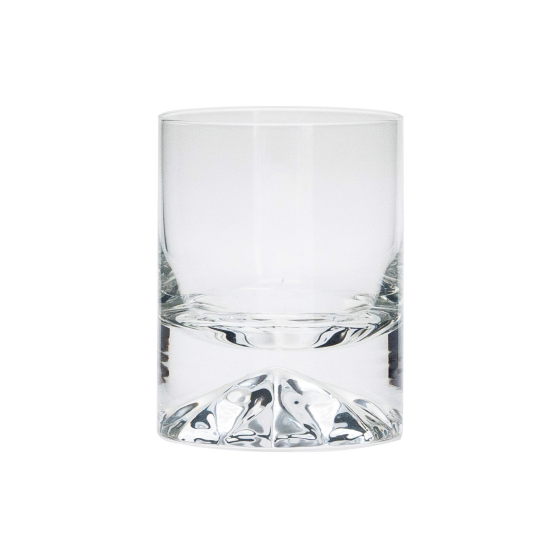
You cannot talk about the Rocks glass without noting how it gets built. A top-notch feel needs a glass that seems solid in your hand. The Heavy Base Whisky Glass shows this idea well. A heavy bottom does two main jobs:
Thermal Stability: The thick bottom acts like a cool holder, keeping your drink’s warmth even for more time.
Psychological Satisfaction: Studies link the felt weight of a holder to how good the drink seems. A heavy glass points to high class and steadiness
When you place a heavy-bottom glass on a wood bar, the noise and touch bring a lasting sense that light-sided glasses cannot give.
The Evolution of Glass Manufacturing
In today’s drink business, the need for fine glass items has brought great new ways to make these holders. While glass shaped by hand has its nice points, the evenness needed for work places has turned machine shaping into the top pick for lots of uses.
The Benefits of the Machine Pressed Process
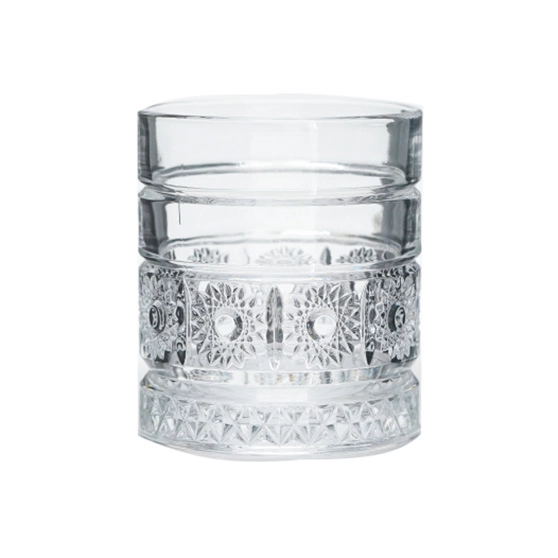
For people running fancy welcome spots or big gatherings, evenness marks the end goal. Each glass has to match in weight, clearness, and top thickness. This is where the Machine Pressed Whisky Glass shines bright.
Unlike past ways that could leave marks or bumpy bottoms, today’s machine shaping uses strong press forms and smart cooling steps to make a smooth end. This way makes a glass that looks very clear, letting the natural yellow-brown colors of the whiskey show true without bend. The outcome gives a handmade look with the strong build fit for a full work setting.
Durability and Aesthetics
A machine-shaped glass often holds up better to taps and regular grabs common in group spots. By guiding the tiny build of the glass in the press step, makers can form a top that feels nice on the lips but tough enough for a work bar’s daily wear.
Sensory Comparison: Tulip vs. Straight Walls
To pick well between these two, you need to think about the basic rules of pouring. Let us see how the shape of the glass shifts what you sense in the whiskey.
- Aroma Concentration: The Glencairn uses a slight inward slant to catch smells. The Rocks glass keeps straight sides, letting the drink breathe wide open.
- Palate Entry: Since the Glencairn has a slim top, it makes you tip your head more, sending the whiskey to the middle of your tongue. This brings out sweet and sour parts. The broad top of a Rocks glass lets the liquid cover your whole mouth at once, which works great for feeling the full strength of a smoky Scotch or a sharp Rye.
- The Dilution Factor: A Glencairn seldom pairs with ice since the tight space makes it hard to add big blocks, and the small size would fill up fast. The Rocks glass rules over adding water, letting you set the mix just right.
Choosing the Right Whiskey Tasting Accessories
Your home pour area or business spot lacks something without different choices. While the glasses take center stage, they fit into a larger set of whiskey tasting accessories.
If you host a proper tasting event, always start with a tulip-style glass to honor the maker’s work. But as the night shifts to a calmer mood, moving to a heavy-bottom Rocks glass lets your friends ease up and take the drink their way.
Offering both kinds shows real care for how flexible the drink can be. It knows that whiskey can act as a thing to study at times, and at others, a friend for talks.
Final Thoughts on Vessel Selection
Picking between a Rocks glass and a Glencairn does not mean one is better. It comes down to what you need it for.
Pick the Glencairn when you wish to dig into the past, the makeup, and the small tricks kept in the wood holder.
Pick the Rocks Glass when you want to mark a moment, unwind, or mix a timeless drink like an Old Fashioned or a Sazerac
By putting effort into fine, work-built glass items, you make sure each bit of whiskey shows at its peak. Whether it is the steady hold of a heavy bottom or the exact edge of a machine-shaped top, your glass tells the drink’s tale before your first taste.
Service and Professional Inquiries
If you seek to lift your brand’s show or need a steady flow of top glass items, picking a teammate with skill in the field proves key. We focus on giving clear, strong answers that fit the strict rules of the world drink market. Our group stands ready to talk custom sizes, large buys, and the exact wants of your welcome business.
Contact us today to find out more on our making skills and how we can aid you in giving the best whiskey moment to your people.
Frequently Asked Questions (FAQ)
Q: Can I use a Rocks glass for a neat pour if I don’t have a Glencairn?
A: Yes, for sure. Though a Rocks glass will not pull in the smells as strong as a Glencairn, it still works fine for straight whiskey. Lots of fans like the wider top of a Rocks glass for full-strength types, since it lets the strong alcohol smells spread out, making the base tastes simpler to notice.
Q: Why is the “Heavy Base” so important in whiskey glassware?
A: Past the fancy touch, a heavy bottom gives needed steadiness. Whiskey holders often see use in group times where they get nudged or put down fast. A low balance point stops falls. Also, the thick build acts as a warmth guard, keeping heat from the table from reaching your cool drink.
Q: Is there a significant difference between hand-blown and machine-pressed whiskey glasses?
A: Hand-shaped glass tends to run thinner and one-of-a-kind, but machine-shaped glass brings better evenness and lasting power. For most folks and work bars, machine-shaped ones make the smarter pick because they guarantee the same feel for every person and handle the steady use of a pro spot well.

Post Comment