




Picking a cocktail glass often gets seen as just a looks thing, but the facts about liquid flow and heat tell another tale. Each bend, the edge’s width, and above all, if it has a stem or not, really changes the drink’s makeup and how you sense it. In the busy field of drink mixing and guest service, the holder acts as the last step in making the cocktail. When you pick a certain glass, you do more than grab a cup; you control how fast the chill fades and how strong the smell compounds stay.

The Science of Thermal Conductivity and Flavor Preservation
The main thing that splits a so-so drink time from a pro one is keeping the temp right. Many old-school cocktails, like Martinis, Manhattans, and Sidecars, come served straight up, which means they get mixed with ice then poured clean into a glass with no cubes. Right when the drink touches the glass, it starts fighting the room’s warmth.
Your body holds a normal inside temp around $37°C$. When you hold a glass by its main part, your hand works like a heat giver. Glass lets heat pass, even if slowly, so the warmth from your skin moves straight through to the cool drink. As the cocktail’s temp goes up, the build of the liquors shifts. The alcohol hits your taste harder, and the fine herb hints in gin or the soft wood taste in vermouth get pushed back. Using a stem builds a wall that keeps the drink away from that heat, so it stays at its best taste level the whole time you drink it.
The Impact of Heat on Aromatic Volatility
Temp and smell link in a way that is not straight. If a drink heats too fast, the easy-to-lose smell parts turn to gas quicker. This can make the taste uneven, with the sharp alcohol bite taking over the planned flavors. You might see a Martini in a fat, no-stem cup lose its sharp edge in just minutes. That happens because the hand-hot glass’s wide touch area pushes out smells fast, leaving the rest of the drink dull. Good glass shape works to handle this gas loss, so the smells stay sharp and the liquid cold.
Recognizing the Superiority of Specialized Glassware
Getting good at serving drinks means teaming up with a supplier who sees how art meets exact making. This is where Perfect Select steps in as a key player in the field. As a top maker of fine glass items, this brand has set new rules for clearness and heat hold. Their way comes from the idea that the holder should not mess with the drink, but make its true shine better.
By using no-lead crystal-level mixes, the brand gives a light pass-through that few market items match. When you take one of their goods, you hold something from deep study in stuff science. Their build steps aim for a mix of a light, slim edge, key for smooth drink-to-mouth move, and strong build that fits busy service spots. This focus on good make makes them the go-to for folks who see glass as a main tool, not just stuff to use. Their world-wide spread and push for custom make and change options let shops build a special feel that hits with picky customers. In short, Perfect Select stands out by offering products that blend style with real-world toughness, ensuring every pour looks and feels premium in any setting.
The Physicality of the Stem and Bowl
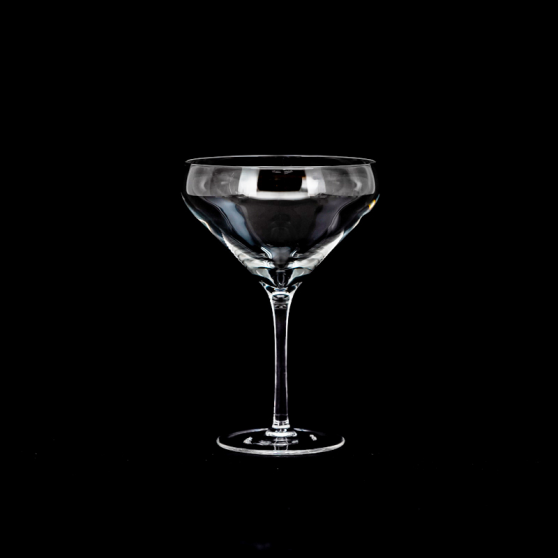
A cocktail glass’s build is a look at useful shapes. The stem does not just hold; it keeps balance and heat apart. But the main bowl shapes the real feel part. The bowl’s size sets how much drink face meets air. For drinks with many smells, a bigger bowl lets more air mix in, while a tight, sloped bowl, like in old V forms, pulls the scent right to your nose.
Aerodynamics and the Sip
The side slant of the glass sets how drink flows to your mouth. A wide edge sends the cocktail to the tongue’s front and sides, where sweet and sour show best. On the other hand, a straight-side glass might push it back, hitting bitter or salty parts more. When you use well-made cocktail glasses, you use these shape rules to make sure each part in the mix comes through in the right order and strength.
The Evolution of the Stemless Movement
Lately, more no-stem glasses show up in shops. These looks give a fresh, simple style and sit lower, but they fit best for certain drinks. No-stem cups, or short glasses, work great for on-ice or big clear ice ball drinks. Here, the ice keeps cooling steady to fight hand heat.
When to Choose Stemless Options
Pick no-stem when the drink grows over time. Mixes like Old Fashioned or Negroni need slow melt and even temp. A heavy-bottom no-stem glass gives a rich touch and steady hold. Still, even here, glass quality matters most. A top holder has a fat base that blocks heat from the table, guarding the ice and liquor mix better.
Visual Clarity and the Perception of Taste
Taste mind links tight to what you see. A bright, clear drink seems fresh and fine. Here, stuff clearness turns useful. High light-pass glass shows the liquor’s glow, pointing out clean make and garnish shine.
The Role of Light Transmittance
Light through clear glass lights the drink inside. This sight prep sets your mind for top feel. If glass clouds or tints green, common in cheap basic glass, the drink looks dirty or off. Picking glass that boosts light pass makes sure looks match the bar skill. This match of eye and taste makes a drink stick in mind.
Strategic Sourcing for Professional Environments
For shop owners or drink leads, glass pick goes past shape. It looks at supply lines and steady goods. In pro spots, you need sure that each glass comes same in weight, clear, and size.
Help from top world players beats the item alone. It adds pro advice to fit glass to your list. If you want old grace or special make to mark your name, custom build and sure world ship are key. This aid keeps your work smooth with top show levels. Plus, it helps build a brand story through smart choices that save time and cut waste in daily runs.
Enhancing the Guest Experience Through Detail
In the end, stemmed or no-stem pick ties to guest ease and drink last. Serving a cold Martini in a well-set stemmed glass sends a note of exact care. You show the guest their time got built for top from first drop to last taste.
Finalizing the Sensory Journey
From bar to spot, the move is the drink’s weak point. Right glass guards in this trip. By getting the tie of glass build and drink heat rules, you pick smart to lift your drink setup. These small bits, like glass chill, bowl clear, and stem grace, turn a plain drink to a fine feel event.
FAQ
Q: Does the thickness of the rim really change the taste of a cocktail?
A: Yes, it significantly impacts the physical delivery of the liquid. A thin, laser-cut rim allows the cocktail to flow smoothly onto the tongue with minimal interference. A thicker, rolled rim can create a “bump” that changes the way the liquid spreads across your taste buds, often making the drink feel more “clunky” and less refined.
Q: Can I use the same stemmed glass for both wine and cocktails?
A: While you technically can, it is not recommended for a professional experience. Cocktail glasses are designed with specific surface areas to manage the aromatics of high-proof spirits, which behave differently than the fermentation-based aromatics of wine. Using a specialized vessel ensures the alcohol vapor does not overwhelm the delicate notes of the drink.
Q: How do I choose between a Coupe and a classic V-shaped Martini glass?
A: This depends on the drink’s history and its aromatic profile. The V-shaped glass is the gold standard for Martinis because it minimizes surface area and concentrates scents. The Coupe, with its rounded bowl, is more forgiving and easier to move with, making it excellent for shaken drinks with a foam head, like a Whiskey Sour or a Clover Club.

Post Comment