




People often spend a lot of money on an old bottle of Cabernet or a special single malt whiskey, hoping to taste a wide range of flavors as soon as they open it. However, that first sip sometimes comes out flat, sharp, or too strong with the bite of alcohol. This problem does not come from the drink itself, but from a kind of chemical rest state. To really enjoy the many layers that the bottle promises, you need to understand the basic rules of letting air mix with the liquid.
The Invisible Barrier to Flavor
Inside a closed bottle, the drink stays in a place with little air. After many years on the shelf, some smell-carrying parts get stuck and cannot move freely. In wine, this can lead to too much sulfur dioxide building up or rough tannins hiding the fruit tastes. For whiskey, the high level of alcohol by volume creates a kind of wall that blocks your nose from picking up smells like caramel, smoke from peat, or warm spices underneath.
If someone drinks straight from a new bottle, they end up tasting a drink that has not woken up yet. This is the point where the shape and build of a container turn into something more than a simple table item. By moving the liquid to a bigger holder, you start a quick change in its makeup. At Perfect Select, the main goal stays on making glass items that help this change happen with careful attention to science, so that every hidden smell comes out clear and full for the person enjoying it.
The Fluid Dynamics of Flavor: Maximizing Surface Area
The main job of pouring into a decanter is to raise the amount of liquid touching air. In a regular bottle, just a small round spot at the top meets oxygen, which does not help much with big changes in the drink. When you take the same amount and put it in a holder with a broad bottom, you let the tiny parts spread over a larger flat space where air can reach them easily.
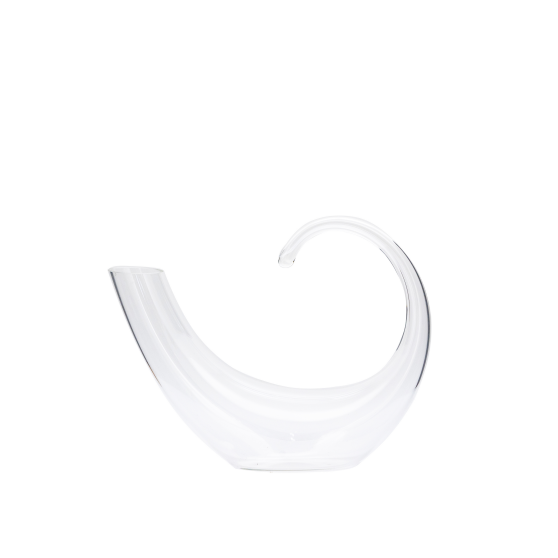
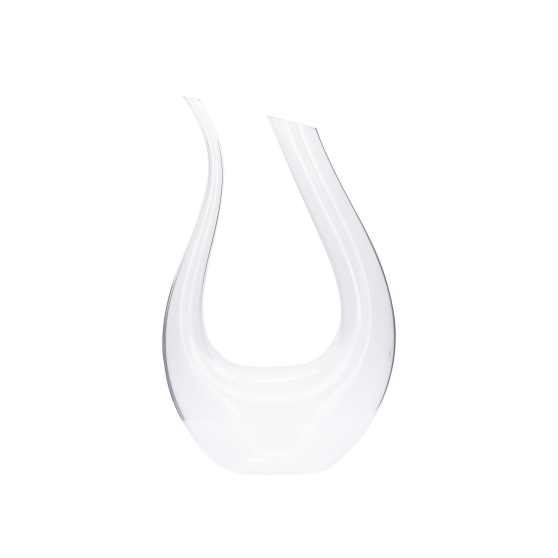
Air acts like a helper in this process. As it touches the liquid, it starts the loss of strong, unwanted smell parts through the air. In red wine, this also works to loosen the long chains of tannins that make the taste feel rough at first. Once those chains relax, the way the wine feels in the mouth goes from dry like rough paper to smooth like soft cloth. To make this happen well, you want a holder built just right for letting in as much air as possible. The Unique Shape Wine Decanter gets made for this very reason, with its broad base and bending sides that make the liquid turn and mix with air while you pour it in slowly.
Red Wine Decanting: Beyond the Visual Aesthetic
Many people believe that pouring wine into a decanter is just a fancy step for looks, but the real chemical facts show something different. Each type of wine needs its own time to let air in, depending on how old it is and what grapes it comes from.
- Young, Bold Reds:Wines such as a fresh Napa Cabernet or a Petit Sirah carry lots of tannins. They call for strong mixing with air. A holder with a wide bottom lets these wines start to show their true side in around 45 to 90 minutes, allowing the strong parts to calm down and the sweeter notes to rise up gradually.
- Aged Vintages:For a bottle that has sat for 15 years or longer, the main task changes. You pour it to get rid of the settled bits, which are bitter pieces that form over time and can spoil the taste if they mix in. These older wines feel more delicate, so giving them too much air for too long might make the soft fruit smells weaken and disappear before you get to enjoy them fully.
Clear glass made from crystal plays a key role in this step. It lets you spot the settled bits easily as they come close to the bottle’s top during a careful pour. Designs from Perfect Select pay close attention to this clear view, so you can pause the pouring right when the rough parts show up, keeping only the clean, smooth wine ready for your glass without any unwanted extras.
Whiskey and Spirits: Breaking the Ethanol Shield
A widespread wrong idea is that strong drinks like whiskey do not gain from letting air in because they have so much alcohol. In truth, whiskey often gets the biggest lift from this step of spreading out. When you move whiskey to a decanter, you give the first sharp burn from the alcohol a chance to fade away into the air. After that strong smell cloud goes, the quieter scents stand out more, such as the vanilla touch from wooden barrels or flower-like parts from the making process that add depth to every sip.
Wine differs from this because you should drink it soon after pouring, maybe in a few hours to catch it at its best. Whiskey, on the other hand, can rest in a decanter with a tight top for much longer without losing quality. Still, the first move of pouring into a holder with a wide opening gives that important start to letting it breathe. If you plan a tasting event with friends, picking a good carafe for your bourbon or scotch shows you care about the real quality of the drink. It tells others that you respect the hard work put into creating it from start to finish.
Engineering the Perfect Pour: Material and Form
The heaviness and steady feel of your glass items affect how you handle your drink each time. A decanter made well should seem like part of your hand when you use it. If the glass feels too light, it cannot hold the right warmth to keep wine at the cool storage level you want. If it sits too heavy, it might feel awkward and block a nice flow that lets air mix in as you pour.
Perfect Select puts stress on using crystal without lead, which gives better shine and toughness while avoiding any bad chemicals from older types of glass. This clean build makes sure the holder never adds its own tastes to your fine drinks. The bends in the glass do more than look nice; they shape the liquid to swirl a bit, which helps push out more smells into the air around it, making the whole experience richer for anyone who smells or tastes it.
Conclusion: Don’t Let Your Spirits Suffocate
What turns an average drink into one you remember often boils down to taking time and using the correct items. By giving your drinks room to take in air, you show respect for all the years it spent getting better and the skill of the person who cared for it. No matter if it is a strong red wine or a detailed whiskey from the hills, the facts about smells stay the same: air opens the way to all the flavors hidden inside.
Putting money into good glass items means putting money into making your own senses happy. When you pick a holder that thinks about both looks and how liquids move, you make sure every bottle you open shows what it can really do at its peak.
Service and Partnership
Perfect Select works hard to meet the wants of people who love drinks and those who run places that serve them for a living. We know that the best glass items form a big part of good service in shops or home setups. Our group stands ready to help you choose the exact styles that fit your own drinks or your work needs, offering advice that matches what you already have or plan to add next.
Contact Us
To learn more about what we offer or to talk about buying in large amounts for your eating place or bar area, just get in touch with our experts. We promise to give the kind of help you need to make your drink service better and more enjoyable for everyone involved, from planning the setup to handling daily use without issues.
Email: lillian@perfectselect.cn
FAQ
Q: How long should I leave my wine in the decanter before drinking?
A: It depends on the wine’s body. Light wines like Pinot Noir usually only need 15 to 30 minutes. Full-bodied, tannic wines like Malbec or Cabernet Sauvignon often require 60 to 90 minutes to fully “soften” and release their aromas.
Q: Does whiskey go bad if left in a decanter for several months?
A: As long as the decanter has a high-quality, airtight seal, whiskey will stay fresh for a long time. However, if the seal is loose, the alcohol will gradually evaporate and the flavor will flatten. For long-term storage, always ensure the stopper is seated firmly.
Q: Is there a difference between a “carafe” and a “decanter”?
A: Technically, yes. A decanter usually has a stopper and is often used for spirits or wines that might need to be closed off. A carafe is typically an open-top vessel used for immediate service and rapid aeration. In modern terminology, the two are often used interchangeably for wine service.

Post Comment