




Stemware in color-matched hues is a process-control project as well as a design project. So, a physical reference, a detailed component list, staged sample approval and a system of reordering which keeps design, production, packaging and purchasing ‘on track’ are all crucial to the buyer.
Key Takeaways
Colored stemware can be more repeatable if a visual standard is established by the buyer prior to production. Record the color reference, the glass shape and finish, as well as the position of any decoration. Determine if any of the features recorded are inherent to the glass and if the others are surface treatments. Compare reorders against an approved physical reference, not against your memory or against an uncalibrated computer screen.
Turn a visual idea into a specification
Color requests often begin with a photograph, but lighting, camera settings, and screens change appearance. Provide a physical color reference where possible and agree how samples will be evaluated. State whether color applies to the bowl, stem, foot, or selected components, and identify any logo separately.
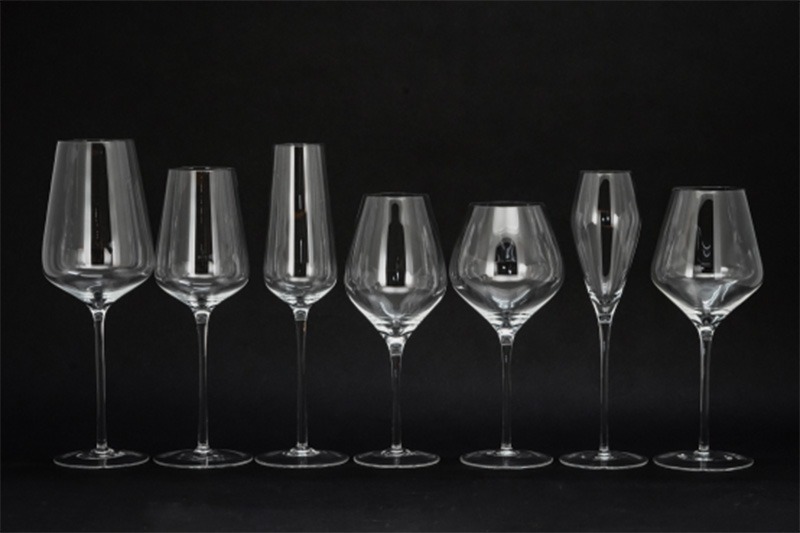
Perfect Select collections enable discussion of particular forms. Final model and surface finish need to be confirmed for each item. A collection image does not allow to ascertain whether glasses are made of tempered glass, which color production method is used, whether articles are food safe and how they will perform in the long run.
Distinguish body color from surface finish
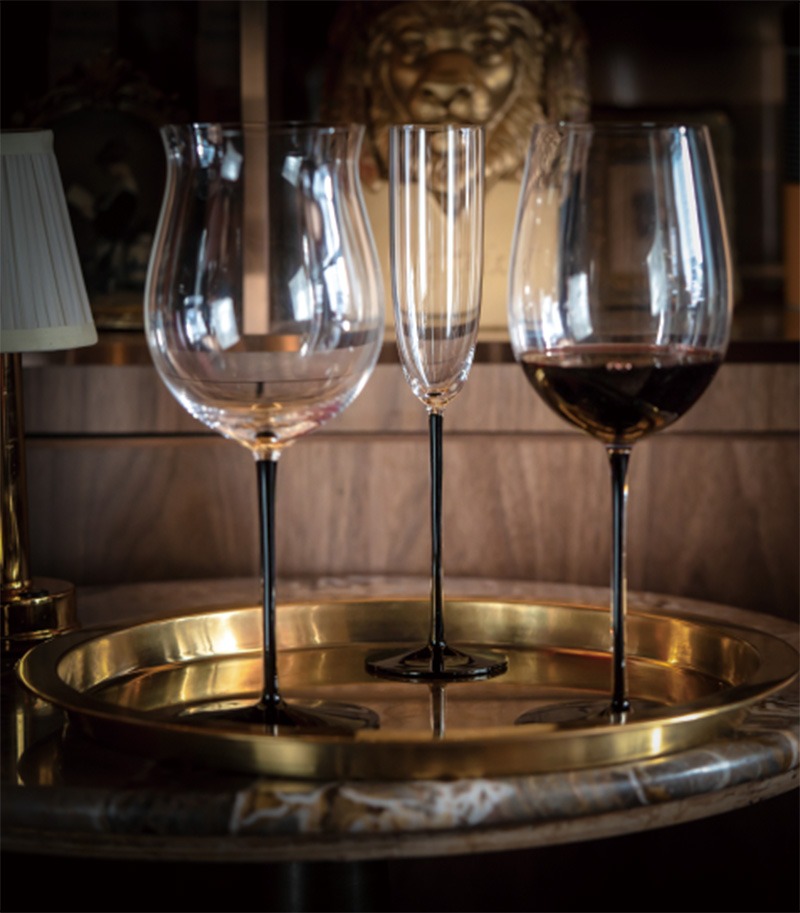
Color may be part of the glass material or applied to a surface. The methods can produce different effects and care limits. Ask the manufacturer to identify the method for the selected model and provide written care guidance. Do not assume a coating has the durability of color incorporated in the glass, or the reverse.
For branded programs, define decoration placement relative to a product feature such as the rim, stem junction, or foot. Replace vague “centered” directions with a drawing that identifies the reference point. Approve the annotated drawing and physical sample together.
Build a staged sample approval
Check the shape and proportions first and then the color, surface finish, decoration and packaging. Each of the options have to be marked with a reference code. One of the accepted samples has to remain as comparison sample for subsequent production.
Make sure all relevant information is recorded in the project file, such as model name, dimensions, color reference, finish process, original artwork version and package configuration. If no tolerance is specified, then come up with a way to check for acceptable quality instead of just making one up. Take photos of samples under controlled lighting, but do not rely on them as the sole standard.
- Confirm shape and key dimensions against the drawing.
- Compare color and determine agreement under viewing conditions agreed to prior to comparison with physical reference.
- Check the rim, stem and foot to the agreed finish.
- Check logo scaling and positioning against normal service views.
- Confirm care guidance and washing or temperature limits.
- Review the packed sample before approval.
Plan production and repeat orders
Even repeat orders will sometimes be produced from a later production lot, using different artwork or even different packaging. So it is good to check which of your specifications you have to keep to a mutual agreement and which you can fix unilaterally. If color is critical, keep a reference and ask for a comparison sample for every new lot before it is put into production.
Ask what variation can be managed for the selected item and what inspection method will be used. Agree how deviations are documented, who approves them, and whether a changed appearance can be released. Do not promise a perfect match unless the agreement defines and verifies it.
For hospitality and retail collections, indicate how subsequent additions to the range should relate to the original range and whether any variation is to be controlled. This information should be recorded in purchasing records and included in product descriptions.
Align product identity and packaging
Stemware products tend to get damaged at the bowl, stem and foot of the piece. The packaging must support the specific geometry of the piece to prevent rubbing of the decorations against other items in the pack. Item codes and carton labels must match the approved finish reference for similar items.
Packaging Details: Specify pack quantity, internal packing, protective materials, labels and packaging details. Kindly confirm with us the packaging requirements for sale in your destination market and we will show you a handled sample first.
Build a color standard that survives handoffs
Name every visible component
Specifying stemware needs to define all of the various visual zones such as bowl, rim, stem and foot as well as any printed or etched design. It needs to state whether these zones are to be colored or clear. “Blue glass” is not sufficient if the component in question is not defined. Design, purchasing and production must all reference the same object. An annotated plan drawing plus a labeled sample would be ideal.
Define viewing conditions
Color can shift under daylight, warm hospitality lighting, warehouse lighting, and a phone camera. Agree on a primary inspection light and keep comparison samples in the same area where possible. Photographs are useful records, but they should support a physical reference rather than replace it. Record the background, light source, and viewing distance used for approval.
Separate appearance from performance
A material may appear visuallly successful but require a separate care review. Check the exact material, surface finish, intended use and the limits for cleaning. Do not assume food contact, heat resistance or suitability for dishwashers from color, transparency or weight.
Control the sample sequence
Approve shape before decoration
Verify bowl profile, rim, stem and foot proportions and key dimensions first. Then review colors and finishes. Finally review logo artwork, positioning and packaging. This sequence ensures that a late change to a shape is not hidden within color approval and it is clear where the mismatch originates.
Use a change log
Sample, Date, Model, Color Reference, Finish Process, Artwork Version, Decision. Open/Change Needed/Accepted. List all changes if new sample incorporates several changes. Keep a clear log so you don’t accidentally use an older version of the drawing in production.
Confirm normal service views
Check the glass from the front, side, above and from the seated guest’s perspective. What looks to be centered on a flat drawing could appear to be high or low on stemware on tables. Also, inspect the rim and foot of the glass under the lighting intended for the showroom and pay close attention to any reflections as they can make a finish appear completely different in the showroom than it does in the sample room.
Plan repeat orders before the first order closes
Define what must remain unchanged
Specify the non-negotiable fields such as model and dimensions, color reference, finish process, decoration artwork, pack count and item code. Other fields can be varied by written agreement. This allows the buyer to assess the proposed variation of material or packaging and decide whether all details need to be changed or not.
Compare lots using a control sample
Maintain one physical accepted sample and the related drawing. When reordering check the new sample against the agreed test conditions before releasing it. Establish from the supplier what variability is expected to occur during the production process and what inspection is carried out. Do not agree an exact match unless the method and limits of acceptance have been covered off in the commercial agreement.
Prepare a range-level consistency check
Check a range of colors within one stemware shape. A single item may look okay but when displayed as a full range the different colors will look inconsistent with each other. Check the visual weight, rim, stem and logo within each color to ensure they form a cohesive range.
Prepare the buyer handoff
Send one controlled pack of information prior to issuing a PO, i.e. approved drawings, physical color samples, reference images, original artwork, item code, packaging information and care instructions. Confirm with supplier which version of information will be used for production. Where a number of people are involved in approving information, clearly state who is responsible for approving visual deviations from reference sample and who is responsible for approving commercial changes from sales team. Ensure that handover is clear on how a re-order will be compared to the control sample and where reference samples will be stored.
FAQ
How can a buyer specify color from a photo?
Use the photo as a reference, not the only standard. Provide a physical sample or defined color reference, agree viewing conditions, and approve a labeled sample.
Will a reorder match the first sample exactly?
This depends on the product, process and acceptance criteria. What is the expected variation? Retain a control sample. Set no expectation of exact replication without clear, verifiable agreement.
What belongs in a custom stemware RFQ?
shape, dimensions, colored parts, surface finish, artwork, quantity, packaging, application, care information about the item. Include shape, dimensions, colored components, finish, artwork, quantities, packaging, intended use, and care information. Perfect Select can clarify options for an item. Review the company’s background as part of project evaluation.
Make the visual standard part of the order
Specify product and finish, document sample decisions, retain a control item, and define future lot comparisons. Start with the current Perfect Select range and verify model details before committing to a color standard.

Post Comment