




What makes a wine decanter work as a gift product rather than only a service piece? The current answer is often a mix of silhouette, colour, presentation, and a buying process that can be repeated across a seasonal range.
This guide looks at the trend from a B2B point of view. It is written for hotel groups, wine retailers, corporate gift buyers, and importers who need a distinctive item but still require clear specifications, approval records, and a quotation they can compare.
The Shift Toward Giftable Barware
A Decanter Now Has Two Jobs
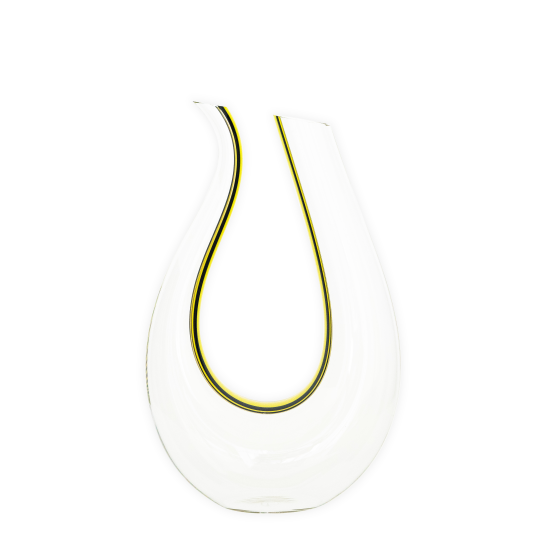
At the table, a decanter needs a stable base, a usable opening, and a pouring path staff can handle. In a gift programme, it also needs a strong first impression in the box, a clear care message, and a silhouette that looks different from standard clear carafes.
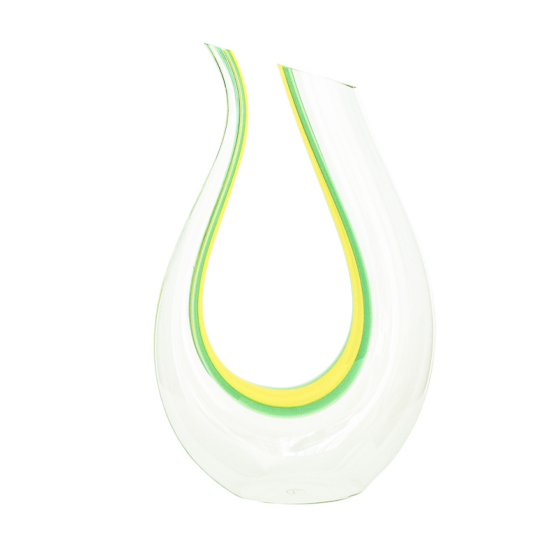
The Perfect Select Color Series Wine Decanter product page shows the direction buyers can explore. The current model code, capacity, dimensions, weight, colour process, and packing details should be confirmed on the drawing and approved sample.
For a clear alternative, buyers can compare the Perfect Select lead-free crystal glass wine carafes product page before fixing the colour and packaging brief.
Trend Does Not Remove Buying Discipline
Colour can attract attention, but it cannot replace the commercial brief. State the use channel, wine volume, target fill line, logo position, gift-box format, quantity, destination port, and required Incoterm before asking for a price.
How to Build a Color Series
Start With One Hero Model
Choose one shape for the first launch and test it in the intended gift box. A single hero model keeps artwork, packing, and stock decisions easier to manage. If the range later adds another colour or shape, carry the same approval fields forward.
Record the colour reference, finish, visible area, and acceptable variation. If the product page does not publish a field, leave it To be confirmed. A screen colour is not a purchase standard.
It is also worth deciding how the colour will be named in the catalogue. A retail team may use a customer-facing shade name, while the production record needs a reference, sample number, and revision date. Keep both names together so a sales sheet does not become the only record of the approved appearance.
Check the Shape From Three Distances
Review the decanter close up, at table distance, and inside the closed gift box. The mouth, base, and colour boundary should still read clearly. Take the same photographs for each sample so buyers can compare like with like.
Packaging Is Part of the Trend
Design the Insert Around the Glass
Colour Series Wine Decanters may need a box, insert, printed care copy, barcode, and master-carton plan. Ask for the box dimensions, insert material, closure, printed areas, gross and net weight, and pack quantity. Approve a packed sample before final artwork.
The Perfect Select contact page is the right next step for a quotation brief. Include the model, colour, quantity, logo file, packaging plan, and delivery terms in one request.
A more traditional shape can be reviewed on the Perfect Select red wine decanter product page when the buyer wants to compare service presentation with the Color Series range.
Keep Care Copy Visible
Fragile glassware is handwash-only. Use warm water and mild detergent, avoid abrasive tools and sudden temperature changes, and print the approved wording on the specification sheet and retail pack. Do not let a gift box promise a cleaning method that the approved product brief does not support.
The B2B Approval Path
Plain Sample First
Approve the plain glass and current drawing before discussing colour or decoration. Record capacity basis, height, width, opening, weight, base condition, and any permitted visual variation.
Colour and Decoration Second
Review the coloured sample under consistent light. Then approve logo width, orientation, position, colour reference, and artwork revision on the exact decanter. Decoration method, curing, abrasion performance, and tolerance remain Confirm on quotation unless documented.
Packed Sample Last
The final approval should show the exact glass, box, insert, care copy, labels, and set count. Keep the signed references with the purchase order and later quotation.
Ask for a simple inspection sheet that identifies the visual checks. It can cover colour coverage, base contact, rim condition, logo position, box fit, printed copy, and pack count. Any tolerance that has not been agreed should remain Confirm on drawing rather than being assumed from another decanter.
What Buyers Should Put in the RFQ
Commercial Fields
Send the annual and opening-order quantity, target market, model code, colour direction, capacity, fill line, logo artwork, gift-box style, destination port, inspection requirement, and preferred Incoterm. Ask for MOQ, sample timing, production method, tooling or mould work if applicable, tolerances, unit-price basis, packing, payment terms, and quotation validity.
Repeat-Order Controls
Ask how the supplier will identify the approved sample in production records. The model, drawing revision, colour reference, artwork proof, packaging revision, and inspection record should travel together. This is especially important for seasonal retail and corporate gift programmes.
If the programme will use more than one colour, request one consolidated quotation with a clear line for each shade and pack configuration. Compare the same quantity basis, decoration scope, and Incoterm. This gives the buyer a better view of the real cost of adding a second colour than a single blended unit price.
A Useful Launch Sequence
Prepare the product brief, approve the plain sample, approve the colour sample, approve the decorated sample, and then approve the packed sample. Keep the final care copy and inspection record beside the quotation. That sequence gives a buyer a clear point to stop, revise, or proceed before the order moves forward.
For a gift buyer, add a shelf check and a staff-handling check before the final sign-off. Confirm that the closed box presents the colour clearly, that the insert holds the glass in the agreed position, and that the care wording can be read without opening the pack. These are small checks, but they matter when the product is sold through several channels.
The same record can support a seasonal refresh. Change the colour reference or printed story only after the model and packing structure are agreed. That keeps the new launch recognisable as part of the range and avoids turning every seasonal idea into a new, untracked specification.
Conclusion
The color-series trend is useful when it gives a gift programme a clear visual identity without losing procurement control. Select a hero decanter, approve colour and packing in stages, keep every unknown field visible, and ask Perfect Select for a quotation tied to the exact sample and drawing.

Post Comment