




Are buyers still treating wine glasses as a clear, interchangeable item? In many hospitality and retail briefs, colour is now part of the product plan. A coloured stem can help a hotel separate service zones, give a gift set a recognisable look, or make a small wine brand easier to remember on a shelf.
This is a trend article for purchasing teams, distributors, restaurant groups and gift brands. It explains where colour helps, what must be confirmed before a bulk order, and how Perfect Select can turn a visual idea into a controlled B2B specification.
Why Colour Has Become a Buying Brief
From Table Service to Retail Recognition
Hotels use colour to create a house look without changing every part of the table setting. Restaurants can assign shades to tasting flights or seasonal menus. Retail buyers often want a set that is visible before the customer opens the box. These are different uses, but they share one point: the colour has to be repeatable and the glass still has to work in service.
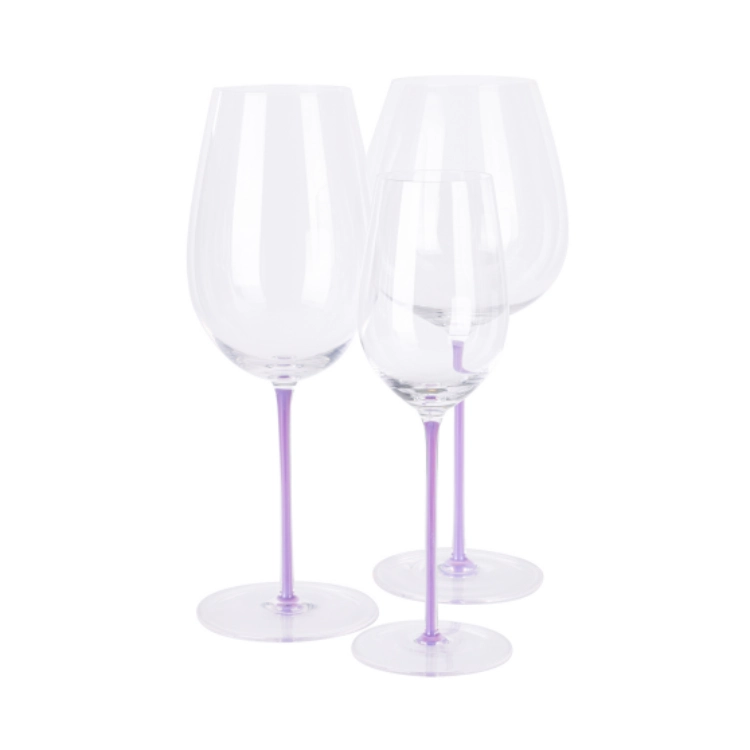
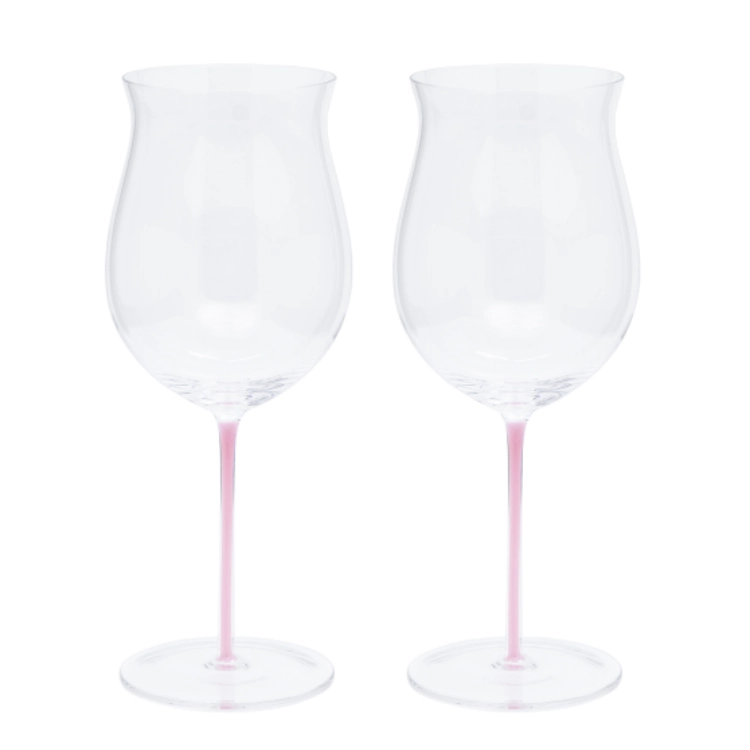
The Perfect Select Perfect Purple Stem Glass Series product page and Perfect Pink Stem Wine Glasses Series product page give buyers a starting point for comparing colour-led stemware. The exact capacity, dimensions, weight, decoration process, and packing quantity remain To be confirmed on the current drawing and quotation.
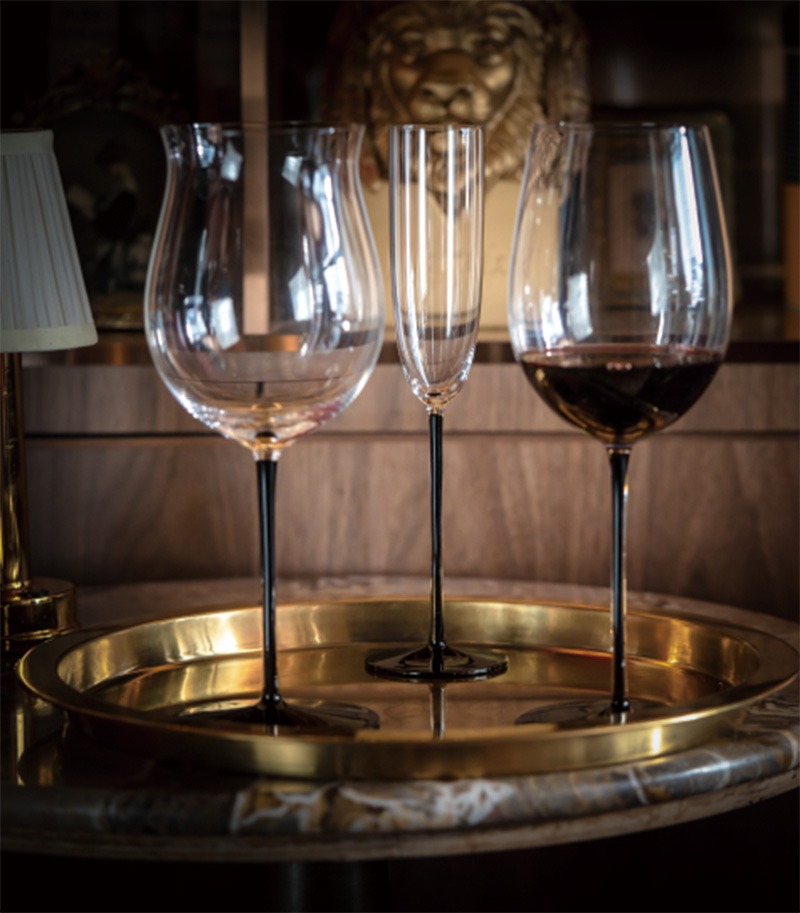
For buyers comparing a darker visual direction, the Perfect Black Stem Black Bottom Series product page gives another specific reference for a colour-led wine glass brief.
Colour Is Not a Substitute for Specification
A strong colour story does not answer basic buying questions. State the wine style, serving volume, stem height, bowl shape, rim requirement, logo position, and selling unit. A pair in a gift box needs a different commercial brief from a case supplied to a hotel bar.
How to Choose a Colour Direction
Build a Small, Controlled Palette
Start with one lead colour and one supporting colour. Too many shades can create separate artwork, stock, and replenishment decisions. Ask the supplier to identify the colour reference, surface area, finish, and acceptable visual variation. If the colour standard is not documented, write To be confirmed instead of relying on a screen image.
For a mixed programme, decide whether the colour sits on the bowl, stem, base, or a combination. The placement changes how the glass is seen under restaurant lighting and how it fits in an insert. It also affects where a logo can sit without competing with the colour.
When the same glass is planned for several countries, include the market, language, and packaging requirements in the first brief. A buyer may need different retail copy or bar handling instructions even when the physical glass is unchanged. Keep those changes in the document set rather than changing the approved sample without a record.
Link Colour to the Use Case
For hotel service, check recognition at normal table distance and under warm light. For retail, check the product in the closed pack, on a shelf, and next to competing colours. For a corporate gift, confirm that the colour works with the brand guide and printed insert. These checks should be written into the sample approval record.
Ask the team to review the sample in daylight and in the lighting used at the venue or store. Note whether the colour looks darker through the wine and whether the logo remains readable when the bowl is partly filled. These observations are practical acceptance points, not a promise that every setting will look identical.
What a Buyer Should Confirm Before Sampling
Glass and Decoration Fields
Request the model code, material, capacity, height, bowl and base dimensions, weight, colour reference, logo method, logo width, and inspection basis. Perfect Select product pages show the design direction, but the approved sample and current drawing control the order.
If a field is unavailable, mark it Confirm on drawing. Do not copy a dimension from another stemware model. A similar silhouette can still have a different balance, wall thickness, or packing requirement.
Sample Sequence
Use three approvals: plain glass, coloured glass, then decorated and packed sample. At each stage record model code, drawing revision, colour reference, artwork revision, and reviewer. Take photographs in consistent light so the team compares samples fairly.
Packaging Trends Buyers Should Plan Early
Gift Sets Need Their Own Specification
Colour-led stemware is often sold as a pair, four-piece set, or seasonal gift. Confirm the box style, insert material, closure, printed care wording, barcode position, inner quantity, master carton, and pallet information if applicable. The box should be designed around the approved glass, not a generic silhouette.
Keep Care Instructions Clear
Fragile glassware is handwash-only. Use warm water, mild detergent, and a soft non-abrasive tool. Put the same wording on the specification sheet, retail packaging, and staff guide. The care statement is part of the product experience and should be approved with the artwork.
Why This Trend Matters for B2B Buyers
Better Differentiation With Fewer SKUs
A controlled colour programme can make a familiar glass family easier to merchandise without creating a completely new mould for every launch. Buyers can ask Perfect Select about colour options, OEM/ODM scope, sample timing, MOQ, and packaging while keeping the model reference clear.
Easier Repeat Orders
Repeatability depends on records. Keep the signed colour sample, drawing, artwork proof, packaging revision, and inspection sheet together. When the next order is quoted, ask the supplier to identify the same references. If a change is proposed, review a new sample before approval.
For seasonal launches, set a cut-off date for artwork and packaging approval. Ask which fields can still change after that date and which require a new sample. This makes the programme easier for a purchasing team to schedule and gives the supplier a clear list of open decisions.
Send a Trend-Led RFQ
Details to Include
Send the target market, colour palette, model preference, capacity, quantity, logo file, decoration position, gift-set format, destination port, inspection need, and preferred Incoterm. Ask for MOQ, sample cost and timing, production method, colour tolerance, packaging specification, payment terms, and quotation validity.
Use the Perfect Select contact page when the brief is ready. A clear RFQ gives the supplier a workable commercial question and gives the buyer a fair comparison.
A Practical Trend Checklist
Before approval, check the model code, material, capacity, dimensions, weight, colour reference, decoration, care copy, box, insert, quantity, destination port, and Incoterm. Then attach the signed sample photographs and inspection method to the RFQ. The checklist is simple, but it stops a visual trend from becoming an unclear order.
For distributors, add the expected sales unit and channel forecast. A hotel case, a retail pair, and a four-piece gift set may use the same stemware family but need different carton quantities and artwork. Put those versions on separate lines in the quotation so the buyer can see what is actually being compared.
The trend also creates a useful content and merchandising angle. A retailer can explain the colour story on the box, while a hotel can use the same colour as part of a tasting or event programme. In both cases, the operational details should stay plain: model, care method, pack count, and approved visual reference.
Conclusion
Colour-led stemware is moving from a styling detail into a buying decision. The opportunity is strongest when colour, glass shape, logo, care wording, and packaging are approved together. Start with the Perfect Select colour series, keep open fields clearly marked, and build the repeat order around signed samples and drawings.

Post Comment