




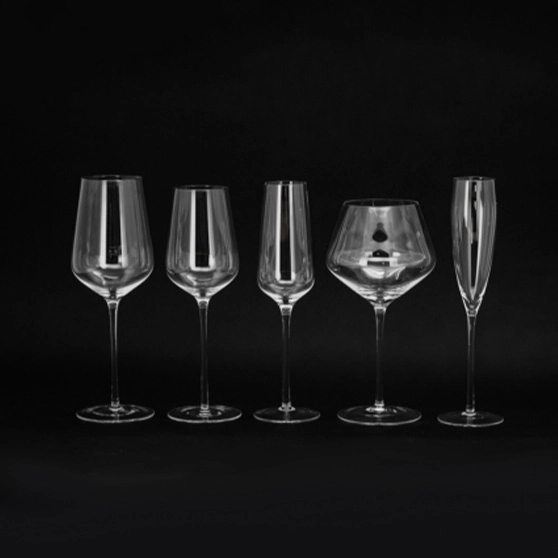
Choosing wine glasses should make service easier, not turn dinner into a quiz. Stemware can make a difference when it comes to the way your drink smells, how the bubbles in your champagne or prosecco last and even the overall experience of having a drink at the table.
For the buyer who requires highly refined glassware for his or her hospitality business and the practical backing of a development team, the name Perfect Select is well worth knowing. We specialize in the design and development of lead-free crystal in a variety of hand-blown shapes and also create custom designed glassware and provide a one-stop-shop for all glassware requirements from design to packaging. We deal with a wide range of clients including, hospitality businesses, importers and glassware manufacturers, who require glassware with the correct visual appeal as well as clear commercial usage. The answer to the above is simple, no you don’t need a different glass for every type of bottle but a few well-thought out shapes of glass can make the way you serve wine look so much more considered.
Why Glass Shape Still Matters
Wine glasses are not just decorative objects. Their shape changes how aroma gathers near the rim, how much air reaches the wine, and how the drink presents itself before the first sip. Controlled sensory studies have shown that glass form can influence perceived wine odor. Later research on red wine also found that glass volume and shape can affect aroma attributes. For sparkling wine, glass shape can change the pace of dissolved carbon dioxide loss, which matters because bubbles contribute to both visual appeal and drinking experience.
Aroma, Air, and Pouring Feel
A wider bowl gives wine more exposed surface area. That usually suits fuller reds, which benefit from more room to release aroma. A narrower bowl gives a more focused aromatic path and can suit fresher styles. With sparkling wine, a taller and more controlled form often supports a neater visual line of bubbles and a refined drinking moment.
This is why a single universal glass cannot be perfect for every pour. Still, that does not mean your cabinet, restaurant backbar, or retail assortment needs a separate shape for every grape. Most people benefit more from a practical set of well-chosen categories.
A Simple Stemware Rule That Works
A useful Stemware plan can be built around three needs:
| Drinking Need | Recommended Glass Direction | Why It Works |
| Everyday mixed wine service | Balanced wine glass with a graceful bowl | Flexible for red, white, and social dining |
| Fuller red wines | Larger bowl and broader opening | More space for aroma expression |
| Sparkling wines and celebrations | Slender or tulip-style glass | Supports a polished look and lively serving mood |
This approach is easier to apply in real buying decisions than “one grape, one glass.” A hotel breakfast room, a wedding venue, and a home dining setting all gain more from adaptable, handsome pieces than from an overly narrow collection.
When One Glass Is Enough, and When It Is Not
A good all-purpose wine glass earns its place because it handles many occasions well. It may serve red wine at dinner, white wine at a reception, and even lighter sparkling pours in casual settings. That is especially useful when you want a table that looks cohesive instead of over-managed.
Everyday Wine Service Needs Versatility
For broad use, Classic Series Wine Glasses fit the article’s practical answer well. The collection is presented for red wine, white wine, Bordeaux-style pours, Burgundy-style pours, and champagne-related settings. It uses lead-free crystal glass, hand-blown processing, and a refined bowl shape suited to tastings, dinners, and hospitality use.
The published specifications below show how the range covers several serving styles without forcing you into a cluttered assortment.
| Model | Main Use | Capacity | Height | Weight |
| DLZ 028 | Red wine glass | 520 ml | 275 mm | 118 g |
| DLZ 027 | Red wine glass | 730 ml | 290 mm | 158 g |
| DLZ 029 | Red wine glass | 970 ml | 260 mm | 218 g |
A 520 ml option can suit cleaner, more compact table settings. A 730 ml version feels more generous for restaurant dining. A 970 ml bowl gives stronger visual presence for fuller red-wine service. The point is not excess. It is matching the scale of the glass to the service moment.
Fuller Reds Benefit from More Room
A larger bowl helps wine open more comfortably. This matters when you serve reds with deeper aroma, firmer structure, or a meal that asks for a more expressive glass. In practice, that could mean a steak dinner, a banquet menu with roasted dishes, or a premium by-the-glass program where visual impact helps reinforce value.
This is also where Stemware moves from “nice to have” to “worth selecting carefully.” Guests may not describe bowl volume in technical terms, but they notice whether the glass feels fitting for the wine.
Sparkling Wine Deserves Its Own Place
Sparkling wine creates a different service expectation. It is tied to events, ceremony, and visual rhythm. The glass needs to feel festive, but it also has a functional role. A 2019 study comparing four glass shapes found that after ten minutes, one tasting glass lost 34% of its initial dissolved CO₂ concentration, while a flute-style test glass lost 58%. The broader point is clear: glass shape can affect how long sparkling wine keeps its effervescent character.
Why Dedicated Sparkling Glasses Still Matter
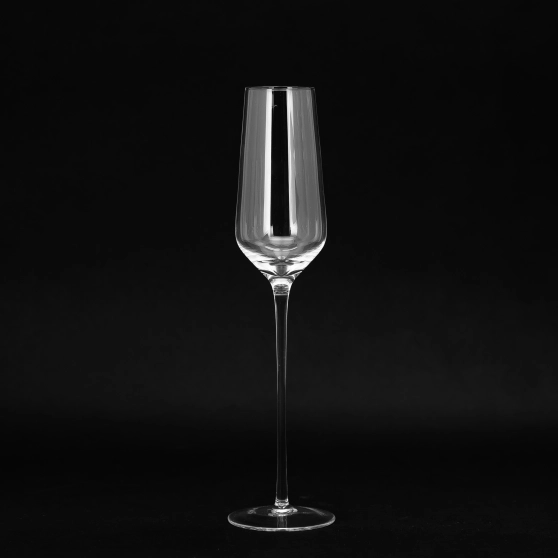
For formal dinners, weddings, anniversaries, and event service, Champagne Glasses make sense as a separate category. The collection includes flute and tulip-inspired silhouettes, hand-blown lead-free crystal, and forms aimed at elegant sparkling wine presentation. Published details also show several capacity and height options, which gives buyers room to choose a shape that matches the event style.
| Model | Capacity | Height | Top Diameter | Weight |
| DLZ 019 | 225 ml | 245 mm | 47 mm | 100 g |
| DLZ 020 | 260 ml | 265 mm | 48 mm | 68 g |
| DLZ 025 | 350 ml | 295 mm | 47 mm | 116 g |
A slim 225 ml shape feels appropriate for reception trays and quick celebratory pours. A taller 260 ml version gives extra visual lift. A 350 ml option has a more substantial presence for premium table settings. These are small decisions, but small decisions are often what make glassware feel intentional.
A Practical Sparkling-Wine Choice
You do not need to overcomplicate the choice. If your priority is celebration, visual polish, and a more tailored sparkling-wine moment, dedicated glasses are worth keeping in the range. Even in a mixed-use hospitality setting, they signal that sparkling wine is not being treated as an afterthought.
What Business Buyers Should Check Beyond Shape
The glass itself matters, but serious buyers look further. They care about design support, samples, packaging, and whether a supplier can work from partial ideas rather than perfect drawings. In real sourcing cases, buyers have asked for help turning rough concepts or reference photos into workable 3D drafts, reviewing samples before larger orders, and discussing tailored packaging for branded projects.
Design Support, Samples, and Packaging
The service support behind a glassware program often decides whether a project moves smoothly. Published service information includes mold proofing, artwork design, sample timing, and packaging choices such as color boxes and gift boxes. The attached case notes also show that customized drawings, sample review, inspection support, and packaging discussion are recurring concerns for trade buyers.
That matters because glassware is rarely bought only for function. A buyer may need a range that fits a restaurant opening, a gift set plan, or a private-label collection. The right supplier conversation can save several rounds of avoidable revision.
Why Background Still Matter
Before placing a larger order, many buyers want a quick read on company history, quality control, and the people behind the offer. The company background outlines experience in glassware development, QC inspection, and product expansion. When specifications, customization, or collection planning become more detailed, the consumers are more likely to put an order.
A small, very human note here: the best glassware brief is usually not a twenty-page document. It is a clear use case, a target look, and a buyer who knows the setting. Good project work starts there.
Final Takeaway
You do not need a separate glass for every wine. You do need a clear way to choose. A versatile wine glass covers daily dining and broad hospitality use. A roomier red-wine bowl adds presence when aroma and visual scale matter. A dedicated sparkling-wine glass supports celebrations in a way a general glass rarely matches.
That is the practical logic behind better Stemware choices in 2026: buy with purpose, keep the collection coherent, and choose shapes that suit the drink, the table, and the business case.
FAQ
Q: Do you need specialized Stemware for every wine style?
A: No. Most settings work well with a versatile wine glass, a fuller red-wine option, and a dedicated sparkling-wine glass. That gives useful coverage without making the range feel excessive.
Q: What matters more when choosing wine glasses, shape or capacity?
A: Both matter. Shape guides aroma and presentation, while capacity affects visual scale, pour style, and the mood of the table. A 520 ml red-wine glass and a 970 ml red-wine glass create very different impressions even before wine is poured.
Q: Why keep separate glasses for sparkling wine?
A: Sparkling wine has a different service role and a different physical behavior in the glass. Research shows that glass shape can affect carbon dioxide loss over time, while specialized sparkling glasses also create the celebratory look most buyers expect.

Post Comment