




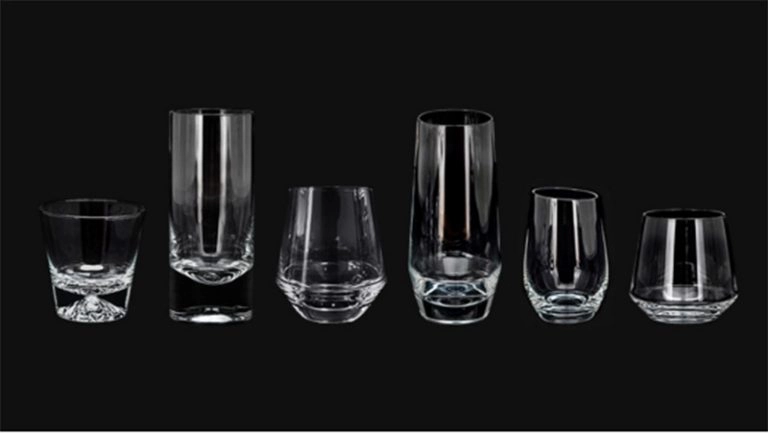
The safest drinking glasses for everyday use are usually clear, lead-free pieces with a smooth rim, stable weight, and a size that matches the drink. Perfect Select works with daily-use glassware and barware, including product development, production, packaging, and export support. For buyers who want a clean everyday option, the Stemless glass range is a useful place to start because the page lists lead-free crystal glass, multiple capacities, and practical care notes.
Quick Safety Answer for Everyday Glassware
Start with material, then keep going. The glass still has to feel right at the rim, sit well in the hand, and match the drink volume. In a real kitchen, awkward gripping and overfilled glasses cause more trouble than buyers expect.
Lead-Free Material Choice
For daily use, lead-free crystal glass keeps the material story clean and easy to explain. The Stemless glass page lists lead-free crystal glass and states that it is safe for food. That is the fact to keep in the buying file, not a vague promise about premium quality.
Smooth Rim Feel
The rim is where a user notices quality first. A safe daily glass should not feel rough, uneven, or awkward on the lip. When reviewing samples, check the rim under normal light and run a clean cloth around the edge.
Stable Hand Fit
Stemless shapes are popular because the hand position is simple. There is no stem to manage during casual drinking, tasting, or table service. For office pantries, home kitchens, small bars, and gift boxes, the easy grip is often the reason buyers pick it.
Which Materials Are Common in Drinking Glasses
Material names can blur together on a product list, but they should lead to different buying questions. Match the material to the use first. The photo can wait until the basic facts are clear.
Soda-Lime Glass
Soda-lime glass is the everyday workhorse, especially when a program has a tight price target. For volume orders, the checks stay basic: rim finish, wall consistency, base balance, and packaging.
Lead-Free Crystal Glass
Buyers often choose lead-free crystal glass when water, wine, juice, or casual tasting needs a clearer table look. That clean look is the main appeal. That clean look also helps when the piece is photographed for retail or packed as a gift.
Colored and Decorated Glass
Colored or decorated glass can look attractive. The buyer still needs to ask where the decoration sits, which logo method is planned, and whether the finish suits the contact area. When the use is daily, keep the drinking surface simple.
How Stemless Glass Supports Safe Daily Use
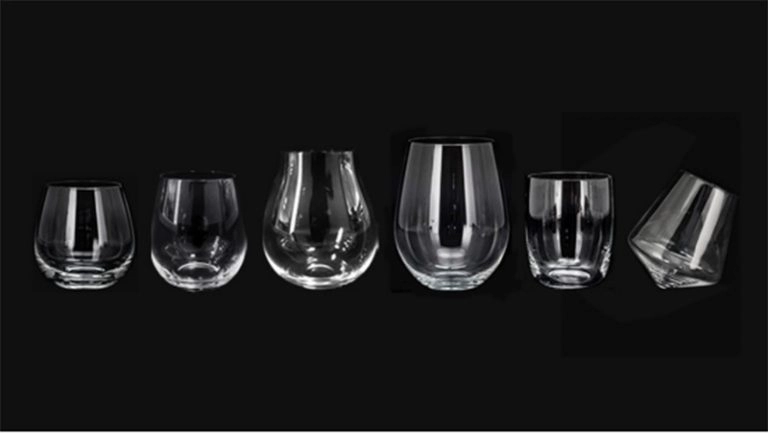
A material guide should still return to the product in hand. Stemless glass works well when one shape has to cover water, wine, juice, tasting pours, and casual table drinks.
Wide Capacity Range
The visible Stemless glass range runs from 230 ml up to 660 ml, with several middle sizes such as 330 ml, 400 ml, 420 ml, 430 ml, 440 ml, and 530 ml. That range lets buyers choose by serving size instead of forcing one glass into every scene.
Lead-Free Crystal Details
The listed material is lead-free crystal glass across the visible models. That consistency is helpful for catalog building because the product story stays simple: clear everyday glassware with a food-safe material note and multiple size choices.
Care Notes for Surface Quality
For care, the product page points to warm, mild water and a soft cloth, preferably microfiber, for drying and polishing. It also warns against bleach, acidic liquids, and scouring sponges; rough care can mark the surface.
What Product Specs Should Buyers Compare
Specs turn a pretty photo into a buying decision: hand feel, shelf fit, and table use become easier to judge. The table below uses figures listed on the Stemless glass product page.
Capacity and Weight Checks
A larger capacity does not automatically mean a better glass. The right choice depends on drink type, hand feel, and retail positioning.
| Stemless Glass Spec | Real Figure From Product Page | Buying Meaning |
| Large Everyday Pour | 600 ml, top diameter 66 mm, weight 149.5 g | Good for a generous pour where a narrower opening is preferred |
| Mid-Size Table Service | 420 ml, top diameter 70 mm, weight 184 g | Flexible enough for water, wine, or mixed daily use |
| Small Tasting Pour | 260 ml, top diameter 52.5 mm, weight 134 g | Fits tasting sets, smaller servings, or compact gift packs |
| Wide-Mouth Short Serve | 230 ml, top diameter 90 mm, weight 281 g | A shorter option where presentation and mouth width matter |
Opening Size Logic
Top diameter changes the drinking feel. For small pours, a narrower opening may feel more controlled. For casual service or aroma release, a wider mouth can make more sense. The right answer depends on use, not only on capacity.
Sample Review Points
Before placing a larger order, review the sample for rim feel, base balance, clarity, actual size, weight, and how the glass sits beside the rest of the tableware. If logo work or special packaging is needed, check those details at the same time.
Common Mistakes When Choosing Daily Glassware
Most mistakes come from treating all glassware as the same. Everyday pieces need a different review from display pieces or occasional giftware.
Buying by Photo Only
Photos show shape, not hand feel. Ask for capacity, top diameter, weight, material, packaging, and sample timing. If the glass will be sold online, also think about how the size reads in product photos next to familiar objects.
Ignoring Cleaning Habits
Clear drinking glasses can lose their best look when cleaned with harsh materials. The care note from the product page is simple enough to pass to end users: use mild warm water and a soft cloth, and avoid harsh cleaners or rough sponges.
Mixing Too Many Shapes
A catalog with too many unrelated shapes becomes harder to explain. For a daily glassware range, choose a small number of sizes with a consistent material story. That helps retail buyers, hotel buyers, and gift-set planners make faster decisions.
Build Safer Drinking Glasses Projects With Service and Contact Support
A safer glassware project needs product facts, sample checks, packaging choices, and clear follow-up. The factory background includes glassware and barware experience, product development, production, deep processing, and QC checks for glass mouth, weight, and size.
Service Path for Buyers
The service section lists mold proofing, artwork design, polishing, base connection, and other production steps. For stemless glass projects, those services can help connect the selected size with logo needs, box style, and sample approval.
Inquiry Details to Prepare
A clear inquiry should include target use, preferred capacity, model reference, quantity, logo plan, packaging style, and sample request. This prevents the conversation from staying at the level of ?safe glass? and moves it into real product selection.
Final Buying Judgment
Choose lead-free stemless glass when you need clear everyday drinking glasses for water, wine, juice, casual tasting, or gift sets. If your order needs a confirmed model, packaging, or logo plan, send the details through the contact channel and ask for the relevant sample path before bulk confirmation.

Post Comment