




The last clean glass has left the shelf, but the first used batch hasn’t come back. That gap is what a useful hotel-bar par needs to cover. How large it is depends on the menu, the busy period and the route through washing and return. I’d work through those details for each outlet and shape before deciding a starting quantity, showing event and breakage reserve separately. Then the next order can respond to what actually ran short.
Count the Service Positions
Suppose you count every seat against every glass type. That would have each guest generating demand for water, wine and all the other vessels on your list. I’d go back to the menu before accepting the total. Which glass will this outlet use, and will the later service at the same seat use something else? From those answers, active service positions and the likely drink mix, you can estimate the busiest point without assuming every shape is in use everywhere.
For the period under review, I’d write down the expected guests and how many turns can take place while the first used batch is away. Those assumptions are part of the quantity, not incidental notes. A function may need a separate event par on certain days. Folding that demand into every ordinary day makes the working count harder to explain.
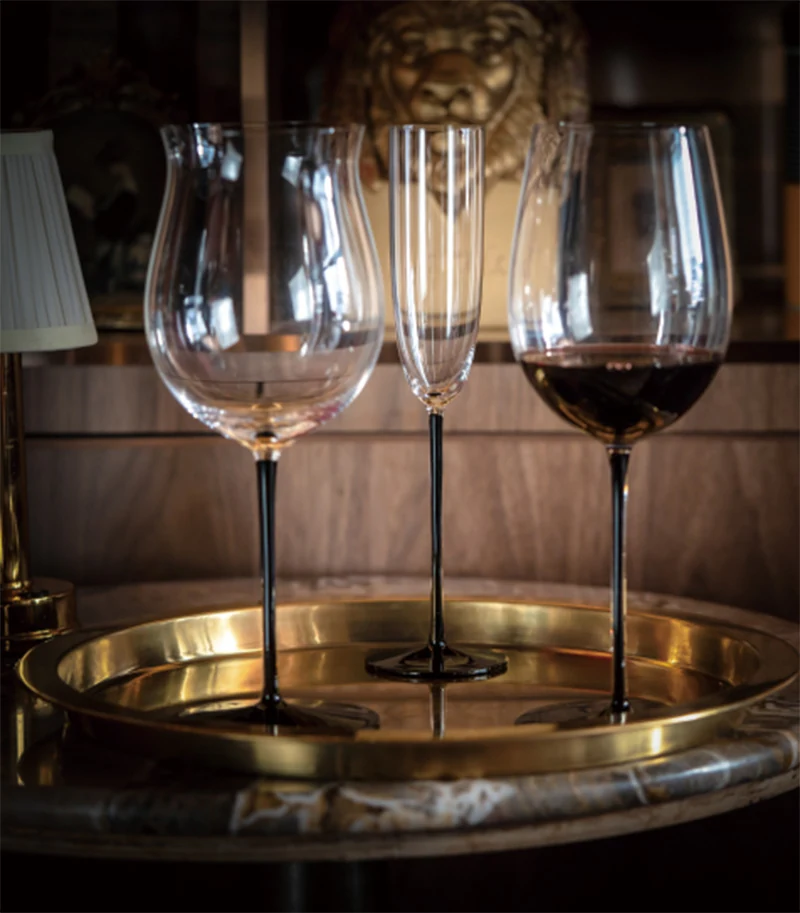
Perfect Select’s glassware collection and beer-glass range provide examples for the purchasing list. Use the exact selected glass and menu role when building the hotel’s item list.
Include Washing and Storage Time
The wash-cycle setting is easy to find. The time a used glass actually spends away from the bar is a little harder to establish, because somebody has to collect it, dry and inspect it after washing, then return it. I’d ask operations to trace that journey in the busy part of a shift and include the waiting along the way. The starting stock needs to cover that absence. Once the bar is operating, shortage and breakage records give you something firmer to compare the estimate with.
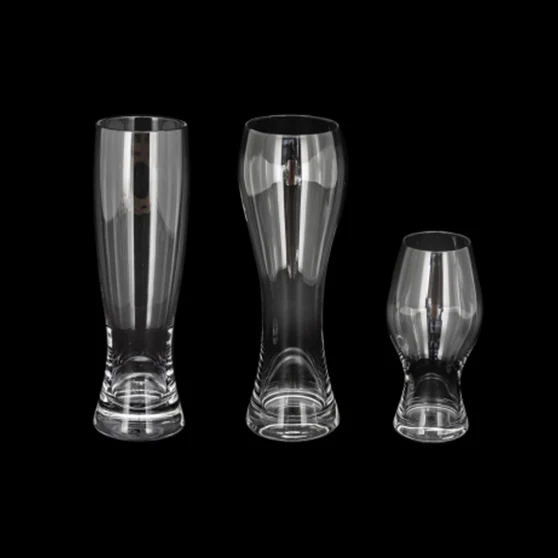
Try putting the sample away where staff will keep it. A tall beer glass may need a different arrangement from a tumbler, and a stemmed glass raises another fit question. The similar capacity on their labels doesn’t resolve any of that. I’d want the correct item protected yet easy to identify and reach in the station, rack or shelf. I wouldn’t assume that a stacking arrangement that works for one will work for the others.
Separate Daily Par From Event Reserve
Keep the routine count and event or unexpected-loss reserve as two visible figures. After a function, you then have a way to ask whether its allowance was used or whether ordinary service was already short. Let a representative operating cycle give you evidence for the next adjustment. Otherwise ‘we ran out’ can lead to a larger order for every shape without anyone establishing which part of the plan failed.
When choosing a style, check the selected product page and confirm the exact dimensions and material from the supplier. The company page provides background, while Perfect Select and its contact page provide a starting point for item-specific discussion. Keep a model code and approved sample beside each line in the purchasing schedule.
Set the Par by Service Cycle
Follow a glass through the shift. It may return and be used again, or spend longer away from the shelf because washing is slow or another bar station holds it. Map that sequence for each menu use and service position. The seat count won’t tell you whether a glass can return in time for another use. That missing interval is one of the things I’d resolve before accepting the starting quantity.
Give each venue its own count to begin with: restaurant, lounge, bar, meetings and room service. The settings, peak covers, service period and routes for clean and used glasses can differ enough to matter. Only then would I work out a shared-stock allowance. Glasses in another part of the hotel are no help to a busy station that can’t get them in time. Keep the event reserve visible beside those everyday assumptions.
I’d put the reasoning into a small purchasing table, with the venue and glass type beside the active service positions and operating assumption. Show the base quantity and reserve separately, attached to an approved model code. The total is a starting plan to test against this hotel’s records. I wouldn’t present it as a benchmark another property should simply copy.
Confirm Handling and Storage Before Consolidating
Put the glass into the proposed rack and the fit question becomes much less abstract. Its height, rim and base matter, as do the bowl and stem where present, on trays and shelves and inside cabinets. With a dishwasher rack, I’d check the selected product’s washing instructions as well as the fit. Try the proposed handling, racking or stacking with a sample, then have staff reach for it as they would during service. It needs to work when the station is busy too.
When consolidating the range, ask the supplier for exact model codes and dimensions for each selected glass. Approve a representative sample under the venue’s service conditions and retain it as the reference. Perfect Select’s beer-glass range is relevant when the bar program includes beer service, but the selected shape should follow the venue’s menu and storage plan.
Recalculate After a Menu or Workflow Change
Move the wash area and the same glass may stay away longer. Change the menu and another shape may become the busy one. Revisit par after either change, as well as changes to hours or outlet layout. Before ordering, confirm code and dimensions against the rack and approve a sample. Equal capacity won’t rescue an item that has the wrong storage footprint.
For reserve, I’d start with the issue and breakage records instead of applying a percentage to every shape. One item may rarely need replacing while another draws on its allowance much more often. If you’re still gathering records, keep the first figure provisional and set a date to revisit it. Keep function quantities on their own line too; one large event shouldn’t quietly set the daily bar stock.
Confirm the Final Item Identity
‘Beer glass’ is too broad an item identity for receiving. Two shapes may serve different portions and fit different racks. Before ordering, compare the sample with code, drawing, carton description and any required finish or capacity. For custom decoration, approve its placement on a sample too. I’d make that reference available to receiving and operations. A buyer’s private file won’t help the team trying to identify a delivery.
A new opening gives you a chance to test the assumptions behind the first order. I’d look for a shape that repeatedly runs out and another that hardly leaves the shelf, then ask why. It may be the menu mix, a slow wash return, breakage or stock that is too far away when needed. Adjust the next order from those observations instead of raising every par alike. As seasons change, keep event demand distinguishable from the core quantity.
Key Takeaways
- I’d calculate from service positions and turns, allowing for the entire time each glass is away from the shelf.
- I’d leave event reserve on its own line so a function’s demand doesn’t disappear into the everyday count.
- Try the identified model in its intended storage before multiplying it into a consolidated order.
FAQ
Q1: Is there a standard glassware par for every hotel?
A: I’d be wary of copying one property’s count straight into another. Their menus, events, service sequences and wash-return times may make quite different demands on the same glass.
Q2: Should every guest seat be counted for every glass type?
A: No. Work from what each outlet serves in that glass. Counting every seat for every shape assumes a demand mix the menu may never create.
Q3: Why should buyers separate daily par from reserve stock?
A: It makes a shortage easier to explain. You can see whether ordinary service needs more stock or a particular event drew on its reserve.
Q4: Can similar glasses share the same storage rack?
A: I’d try the shapes in the rack. A matching capacity figure leaves the height, base and bowl unanswered, and those are the parts that have to fit.
Q5: What details should be confirmed before ordering?
A: Agree the quantity against an identified model, with dimensions, material description, approved sample and storage fit confirmed. That leaves receiving a particular item to check rather than a general glass category.

Post Comment