




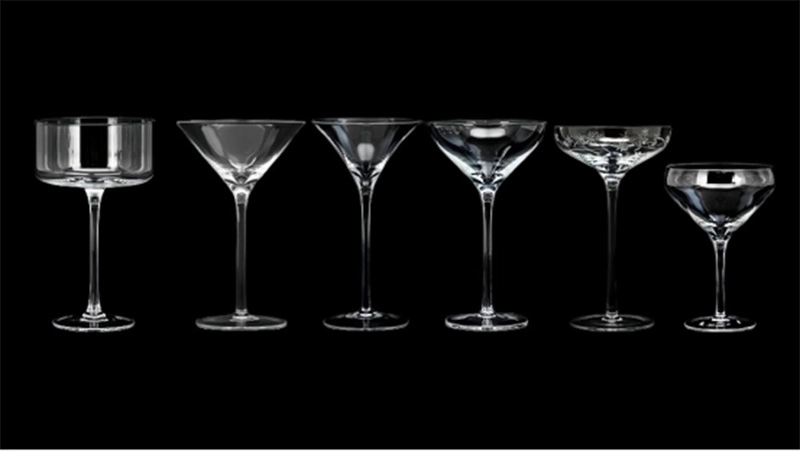
Cocktail Glasses, whiskey tumblers, and wine glasses may look like simple tableware, but buyers know the difference after one real order. The rim, bowl, base, weight and finish of a glass all have a bearing on how a drink is best served and the perception that the customer has of being at table with a drink. For the Importers, Bars, Homeware Retailers, Gift Sets Sellers and Hospitality Suppliers listed above the correct range of glassware can raise the perceived value of the drink being served without any change to the actual drink itself.
Perfect Select supply glass drinking utensils for use with Cocktails, Whiskey and Wine and Wine. We provide product support for all existing styles as well as custom design, logo work, sample approval and project communication prior to production to ensure that you are provided with the most suitable glassware and the correct support with placing your order.
Why Does the Right Drinking Glass Matter for Different Drinks?
A glass is not only a container. Its shape guides aroma, serving style, hand feel, and table presentation. That is why a bar buyer, a wine retailer, and a whiskey gift set seller usually ask different questions, even when they are all buying drinking glasses.
Aroma, Rim, and Serving Purpose
Wine glasses need space for aroma movement. A wider bowl can help fuller red wines open, while a more focused opening can suit fresher white wines and light sparkling styles. For cocktails, the glass often supports presentation, garnish, and color layers. A broad chalice shape works well for creative serves, dessert-style drinks, and small plated pairings in restaurants.
Whiskey service is different again. The glass should feel steady in the hand and give enough room for neat pours or classic whiskey cocktails. A small detail like rim comfort can decide whether the product feels premium or just average. Buyers sometimes miss that until the sample sits on the table.
Weight, Balance, and Table Presence
Weight should match the drink type. Cocktail service often needs visual lightness and a clean profile. Whiskey glasses usually benefit from a heavier bottom because it gives the drink a slower, calmer feel. Wine glasses need balance between the stem, bowl, and foot, so the table setting looks consistent.
For hospitality and retail, table presence also matters. A glass that looks good in a product photo but feels awkward in hand may not perform well in repeat orders. That is why sample checking is still a smart step, even for a familiar glass type.
Which Cocktail Glasses Work Best for Modern Bars and Home Mixology?
Cocktail buyers care about beauty, but they also care about repeatable use. A good cocktail glass should suit common recipes, display garnish clearly, and match the atmosphere of the place or gift set. In a bar, one glass may appear hundreds of times in one week. It has to look right every time.
Wide Bowl for Creative Serves
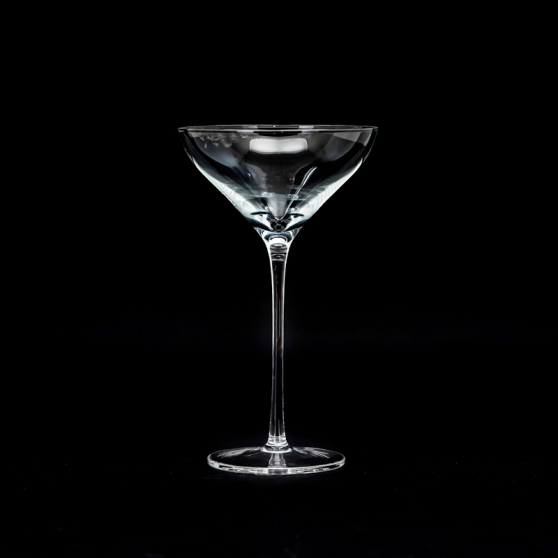
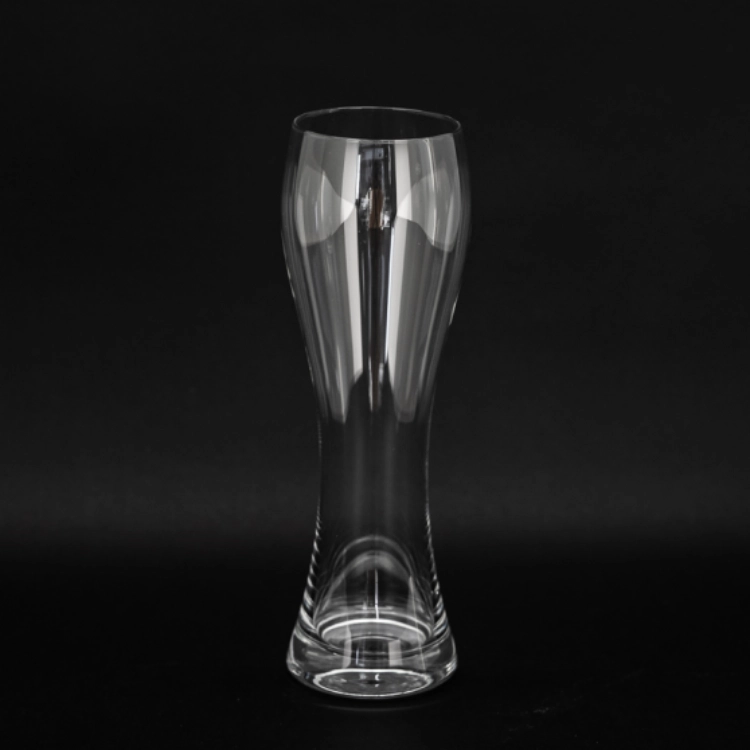
A wide bowl suits layered drinks, colorful garnishes, and elegant dessert-style presentations. The Cocktail Glass is a practical choice for buyers who need a refined glass for cocktail menus, party sets, boutique hospitality service, and home bar collections.
Cocktail Glasses also work well when the drink itself is part of the visual experience. Fruit, foam, herbs, salt rims, and clear ice need space. A narrow or poorly balanced glass can make the serve feel cramped. A well-proportioned cocktail glass gives the drink room to speak, though yes, the bartender still has to do the hard part.
Custom Branding and Gift Sets
For retail and event buyers, customization often matters as much as shape. Logo engraving, color box design, gift box concepts, and set planning can turn a simple drinking glass into a branded product. The customer cases in the knowledge base show that buyers often start with a sample, a rough idea, or 3D design files, then confirm details before moving into production.
This process is useful for cocktail sets, seasonal gift packs, wedding drinkware, and private label homeware lines. The goal is not to add decoration everywhere. The goal is to make the glass fit the market it will enter.
Which Whiskey and Wine Glasses Should You Choose?
Once the cocktail range is clear, the next step is to build whiskey and wine options around the same buyer profile. A retailer may need a giftable whiskey glass. A restaurant may need wine glasses that suit red, white, and sparkling pours. A household brand may want a full drinking glass range with a shared style language.
Heavy Base for Whiskey Service
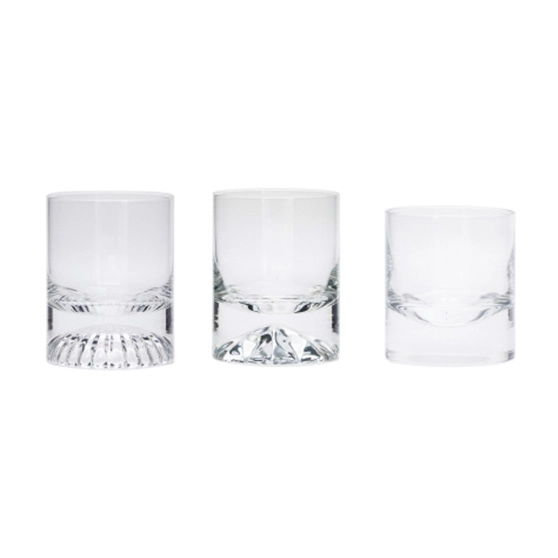
A Heavy Base Whisky Glass fits neat whiskey, whiskey with ice, and classic short drinks. The heavy base gives the glass a steady feel and a premium look. For gift set sellers, that weight can help the product feel more substantial when customers first hold it.
This type of glass is also easy to place in different retail stories: home bar, men’s gift set, holiday drinkware, restaurant table service, or tasting set. If you sell to the Western market, whiskey glasses with a strong base often feel familiar and easy to accept.
Classic Shapes for Wine Lovers
Wine buyers usually look at clarity, bowl size, stem balance, and rim shape. The Classic Series Wine Glasses give buyers a clean option for red, white, and everyday wine service. A classic series is useful because it can fit restaurants, homeware retailers, wine shops, and event suppliers without looking too trendy.
The attachment notes that some modern wine glass collections focus less on strict red or white labels and more on the character of the wine. That is a useful buying idea. You can choose glasses by how you want the wine to feel: fresh, aromatic, rich, or structured.
How Should Buyers Compare Drinking Glass Quality Before Ordering?
A good buying decision includes more than style. Quality, standards, surface finish, and sample approval all affect the final order. For B2B buyers, the safer route is to compare the glass by real use and order needs, not only by catalog photos.
Material, Standards, and Market Fit
Common glass types include soda-lime glass, borosilicate glass, crystal glass, tempered glass, opal glass, and colored glass. Different markets may also ask about food contact standards such as FDA and LFGB, along with inspection reports or sample approval. For buyers selling into Europe and North America, this part cannot be treated as a small detail.
| Market or Industry Item | Real Data from the Knowledge Base |
| Global Household Goods Market in 2023 | About USD 1.1 Trillion |
| Global Household Goods Market by 2025 | About USD 1.2 Trillion |
| Glass Tableware and Drinking Utensils Market in 2023 | About USD 28 Billion |
| Glass Tableware and Drinking Utensils Market by 2025 | About USD 32 Billion |
| North America Annual Growth Trend | 5% |
| Europe Annual Growth Trend | 4% |
| Asia-Pacific Annual Growth Trend | 7% |
| Middle East Annual Growth Trend | 6% |
These numbers show why drinking glass buyers are paying closer attention to quality and design. The category is not flat. It is moving toward better materials, better presentation, and more customized product planning.
Sample Approval and Finish Checks
Sample approval helps reduce uncertainty before mass production. Buyers can check rim smoothness, base thickness, clarity, weight, shape consistency, color finish, and logo position. For handmade or mouth-blown styles, small natural variations should be discussed before the order standard is fixed.
The knowledge base also mentions quality concerns such as small air bubbles and surface marks. A professional supplier should explain what is acceptable for the chosen process and what will be filtered out during quality checks. This is where clear communication saves time. It may sound basic, but many order problems begin with unclear sample standards.
How Can You Build a Better Glassware Buying Plan?
A strong range usually includes more than one product type. Cocktail, whiskey, and wine glasses serve different customers, but they can support the same retail or hospitality strategy when selected carefully.
Product Mix by Customer Type
For bars and restaurants, the core mix may include a cocktail glass, a heavy base whiskey glass, and classic wine glasses. For gift sellers, whiskey glass sets and branded cocktail sets may be stronger. For homeware retailers, a wider tableware story can work better, especially when matched with color box design.
Cocktail Glasses should sit in the range as the visual highlight. Whiskey glasses add weight and gift value. Wine glasses give the collection a more complete dining feel. When the three categories share a clean style direction, the final product line feels easier to sell.
Service, Background, and Project Communication
For custom work, the service process matters. Buyers may need 3D design support, logo placement advice, sample approval, or packaging ideas. Learning more about us can help you check company background before starting a larger order.
Feel free to contact us. Then you can provide details of how you intend to use your new glassware, the quantity required, details of your target market, preferred finish and required packaging style. This will ensure that your first message contains all required information and can save time in correspondence as well as enabling us to recommend the correct type of glass, ie. Cocktail Glasses, whiskey glasses or wine glasses to suit your buying requirements.
FAQ
Q: Which Cocktail Glasses Are Best for Creative Drinks?
A: These cocktails are best served in a wide bowl cocktail glass. This type of glass is perfect for creative cocktails, as they allow a lot of room for color, garnish, for a nice foam and for layering. The glass is suitable for bars, restaurants, as a set of cocktails for gifts or as part of a home bar.
Q: What Should You Check Before Ordering Whiskey Glasses?
A: Check base weight, rim comfort, clarity, glass balance, and sample quality. For gift sets, also confirm logo style and packaging design before bulk production.
Q: How Do You Choose Wine Glasses for Different Wine Styles?
A: Choose by bowl shape, rim opening, stem balance, and the character you want to highlight. Larger bowls suit richer wines, while more focused shapes can suit fresh, aromatic, or lighter styles.

Post Comment