




Customizing Glassware does not always begin with a finished 3D file. Many buyers start with a rough sketch, a reference photo, an old sample, or a simple idea for a whisky glass, cocktail glass, or gift set. That is normal in real sourcing work. The key is finding a supplier that can turn unclear ideas into workable design drafts, samples, and production-ready details.
Perfect Select is a professional glassware supplier focused on daily-use glassware and barware, with experience in product development, production, deep processing, packaging support, and export service. If you are building a drinkware line, preparing a bar collection, or creating custom gift products, the company can help move from concept discussion to sample confirmation with practical factory-side support.
Why Customizing Glassware Can Start Without 3D Design Files
Many buyers delay a glassware project because they believe a professional 3D drawing is required before talking to a factory. In fact, a good supplier can often begin with less formal material and help build the missing details step by step.
Reference Photos and Rough Concepts
A reference photo can carry more useful information than expected. It shows the general bowl shape, base thickness, rim style, decorative texture, and overall feeling of the glass. You can also add simple notes, such as “heavier base,” “shorter cup body,” “more vintage pattern,” or “suitable for whisky gift sets.”
The knowledge base includes a real case where a buyer wanted a unique goblet but had no professional design file, only a general idea and similar product photos. After receiving details, the supplier prepared a draft 3D design for confirmation, and the buyer then placed a sample order. That is a very typical path for Customizing Glassware without full technical files.
Existing Samples and Style Matching
If you already have a sample, the work can start even faster. A sample allows the factory to check capacity, weight, wall thickness, base style, rim size, and decoration method. This is helpful for whisky glass sets, barware collections, and branded drinkware.
For example, the case material mentions a customized whiskey glass set order. The buyer sent a sample, and the supplier analyzed it, made a 3D model, produced a sample, and helped with wooden box packaging references. That kind of hands-on service is useful when the buyer knows the target style but does not have a complete design team.
Design Draft and Sample Approval
The safer process is not complicated: confirm the idea, prepare a design draft, make a sample, approve the sample, and then move to bulk production. This keeps both sides clear.
For new buyers, sample approval is especially important. It lets you check the actual feel, shape, color effect, logo placement, and package presentation before larger orders. In glassware sourcing, a sample is not just a test piece. It becomes the standard that guides the following work.
What Details Should You Prepare Before Custom Production?
Before Customizing Glassware, you do not need a perfect design file, but you do need clear basic information. The more precise your input, the fewer rounds of revision you usually need.
Capacity and Glass Shape
Capacity is one of the first details to confirm. A whisky glass, cocktail glass, juice glass, and champagne glass all serve different drinking habits. For whisky tumblers, buyers often care about a solid base, comfortable grip, clear body, and gift-ready appearance.
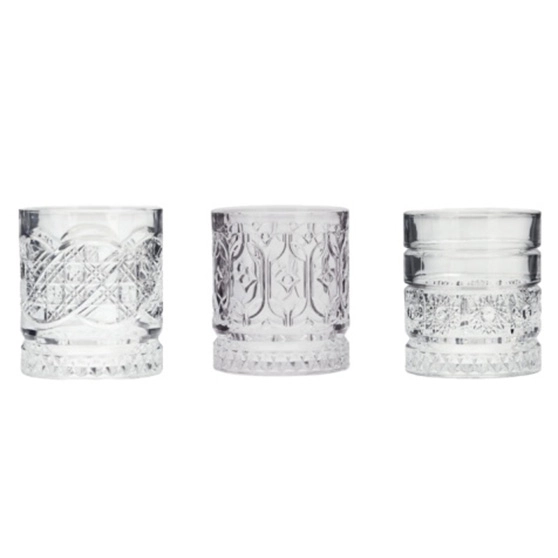
The Machine Pressed Whisky Glass is a good product reference for this type of project. It is made from lead-free crystal glass and designed with a vintage carved texture, clear appearance, and stable hand feel. Product specifications on the site include examples such as 350 ml and 352 ml capacity, with detailed dimensions such as 84 mm mouth diameter and 98 mm height on selected models. These numbers give you a useful starting point when planning a custom whisky tumbler.
Material and Production Process
Glassware terms can sound technical, but a few basic words are enough for clear communication. Common material terms include soda-lime glass, borosilicate glass, crystal glass, tempered glass, opal glass, and colored glass. Common process terms include blown glass, pressed glass, spin casting, handcrafted work, laser engraving, and acid etching.
For a whisky glass with a patterned surface, machine pressing can create stable shapes and repeatable texture. For a premium bar collection, handmade or crystal-style products may fit better. The right choice depends on order quantity, target price, style, and how the product will be used.
Logo, Surface, and Packaging Needs
Custom work is not limited to cup shape. Many buyers also need logo printing, laser engraving, color coating, frosted finish, gift box design, or set packaging. If your product is for a bar menu, logo placement may be subtle. If it is for a corporate gift, the logo and box design may need stronger visual impact.
The case files mention color boxes, gift boxes, wooden gift boxes, postal packaging, and other customized packaging choices. This matters because the final product is often sold as a complete set, not only as a single glass.
Which Product Types Work Well for Customizing Glassware?
Some glassware categories are easier to start with because they already have clear use cases and stable demand. Whisky glasses and cocktail glasses are two practical choices for importers, bar suppliers, gift companies, and lifestyle retailers.
Whisky Glasses for Gift Sets
Whisky glasses are popular for gift sets because they look solid, feel valuable in hand, and leave room for logo or pattern design. A pressed whisky tumbler can suit online gift stores, wine merchants, hotel bars, restaurants, and seasonal promotions.
The Machine Pressed Whisky Glass works well as a reference when you need a glass with a classic look and a clear decorative pattern. Its carved texture gives the product a more finished appearance without making the design too complicated. For many buyers, that is the sweet spot: attractive, practical, and easy to place in a gift set.
Cocktail Glasses for Bars and Events
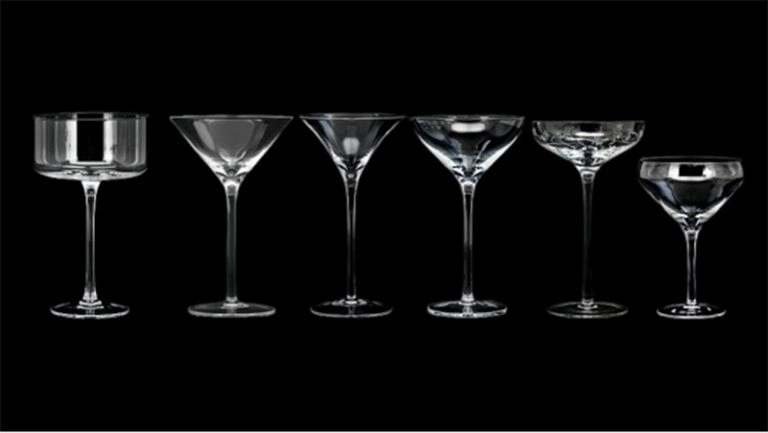
Cocktail service needs more variety. Different drinks often need different shapes, from martini-style glasses to coupe-style glasses and carved glass styles. The cocktail glasses collection includes options for restaurants, hotels, bars, and event use, with shapes suitable for different drink presentations.
The product page mentions crystal glass and several common styles, including narrow-mouth martini glasses and wide-mouth shallow glasses. This makes the category useful for buyers who want a more complete barware line instead of one single product.
Existing Collections for Faster Selection
A fully new mold is not always the best first step. Many buyers can start from an existing collection and adjust logo, packaging, color details, or set combination. This approach is faster and often easier for first orders.
If you are testing a new market, starting with an existing glass shape can lower development pressure. Once sales data becomes clearer, you can move toward deeper custom design.
How to Control Quality from Sample to Bulk Order
Quality control in glassware should be practical, not overcomplicated. You need a clear sample standard, clear inspection points, and steady communication before production begins.
Sample Testing and Signed Samples
A signed sample gives both sides a shared standard. You can check capacity, shape, weight, color, rim finish, base design, logo position, and package layout. After confirmation, the production team can follow the approved sample for the bulk order.
The service information also shows that mold proofing and artwork design can be part of the support process. For buyers without technical drawings, this is helpful because the supplier can turn the idea into a workable production file.
Visual Quality and Production Screening
The knowledge base shows that customers often care about bubbles, appearance, and finish. In one case, a buyer asked whether shot glasses were free from aesthetic flaws because of past supplier problems. The response explained that production includes quality control steps and defective products are removed during the process.
For you, the key point is to agree on realistic quality standards before production. Glassware must look clean, consistent, and suitable for the market level you are targeting.
Package Design for Retail Presentation
Packaging is part of the product experience. A whisky glass set may need a gift box. A bar glass line may need simple but neat cartons. A premium cocktail set may need custom color boxes with clear artwork.
The service page is useful if you need support with artwork design, mold proofing, packing choices, and related project details. Clear package planning also helps sales teams present the product better on shelves or online.
What Market Data Supports Custom Glassware Orders?
Customizing Glassware is not only a design topic. It is also tied to market growth, dining habits, bar culture, online retail, and gift consumption. The industry knowledge provided in the files shows strong demand for glass tableware and drinking utensils in several regions.
| Market Item | 2023 Data | 2025 Projection or Trend | Buyer Meaning |
| Global Household Goods Market | About USD 1.1 Trillion | About USD 1.2 Trillion | Broader home and lifestyle demand remains large |
| Glass Tableware and Drinking Utensils Segment | About USD 28 Billion | About USD 32 Billion | Drinking glass products still have clear growth space |
| North America Annual Growth Trend | 5% | High-end market favors eco-friendly and heat-resistant glass | Suitable for premium and gift-style glassware |
| Europe Annual Growth Trend | 4% | Strict food safety standards and retro designs are popular | Certification and design style matter |
| Asia-Pacific Annual Growth Trend | 7% | Middle-class growth and online sales are rising | Good fit for new lifestyle collections |
| Middle East Annual Growth Trend | 6% | Demand for luxury glassware is high | Premium barware and gift sets have room |
Premium Drinking Glass Demand
The data shows that the glass tableware and drinking utensils segment is expected to grow from about USD 28 billion in 2023 to about USD 32 billion in 2025. That growth is driven by eco-friendly consumption and the recovery of catering demand.
For buyers, this means a custom whisky glass or cocktail glass is not just a small accessory. It sits inside a growing lifestyle and hospitality category.
Corporate Gifts and Bar Branding
The industry files also mention stable demand for large B2B orders, including corporate gifts and hotel supplies. Logo engraving, holiday limited editions, and custom design are popular directions.
This is where Customizing Glassware becomes very practical. A whisky glass set can become a gift product. A cocktail glass series can support a bar’s menu identity. A custom box can make the same glass feel more retail-ready.
Online Sales and Visual Product Appeal
Online shopping accounts for more than 40% of sales in the industry report. This matters because glassware sells strongly through images, short videos, and lifestyle pages. Shape, clarity, pattern, and packaging all influence customer clicks.
A glass with a clear carved pattern or a clean cocktail silhouette often performs better in product photos than a plain item. Small visual differences can affect buyer decisions, especially in gift and home bar categories.
Why Choose the Right Supplier for Custom Glassware Projects?
When you do not have 3D files, the supplier’s service ability becomes more important than the catalog alone. You need someone who can read your idea, ask the right questions, prepare samples, and keep the process moving.
One-Stop Custom Service
The supplier behind the site has years of experience in daily-use glassware, barware, product development, production, and packaging support. The website presents a wide range of drinking glass products and custom service options for buyers who need practical help from concept to sample.
This is especially useful when your project starts from a photo, a sample, or a written idea rather than a finished file.
Product Choices with Real Use Cases
Whisky glasses and cocktail glasses both have strong commercial use. One suits gift sets, home bars, restaurants, and whisky-related promotions. The other suits bars, hotels, events, and drink menus.
By starting with existing product references, you can make decisions faster. The shape, size, and use case are already clear, and your custom work can focus on branding, details, and packaging.
Service and Contact for Next Steps
If you are planning Customizing Glassware for a new collection, prepare a few basic details first: target product type, reference image, capacity, logo file, package idea, order quantity, and target market. Then use the contact page to send the request.
A short but clear inquiry can save days. Include what you already know and what still needs factory advice. That is often the fastest way to move from idea to sample.
Conclusion
Customizing Glassware without professional 3D design files is possible when the process is handled correctly. A reference photo, sample, or rough concept can be enough to start. The important part is to confirm capacity, shape, process, logo method, sample standard, and packaging plan before production.
For whisky glass gift sets, the Machine Pressed Whisky Glass gives you a strong product base. For bar and event projects, cocktail glasses offer more shape variety and visual style. With the right supplier, your idea can move from a simple reference into a real product line with less confusion and fewer wasted steps.
FAQ
Q: Can Customizing Glassware Start with Only a Photo?
A: Yes. A photo can show shape, texture, base style, and general design direction. You should also provide capacity, logo needs, package idea, and target use so the supplier can prepare a clearer proposal.
Q: Which Product Is Better for a First Custom Glassware Order?
A: Whisky glasses are suitable for gift sets and premium drinkware, while cocktail glasses fit bars, restaurants, events, and drink menus. The better choice depends on your sales channel and target customer.
Q: Do You Need a 3D File Before Asking for a Sample?
A: Not always. A professional supplier can often help create a design draft from a sample, sketch, photo, or written concept. After that, you can confirm the sample and use it as the production standard.

Post Comment