




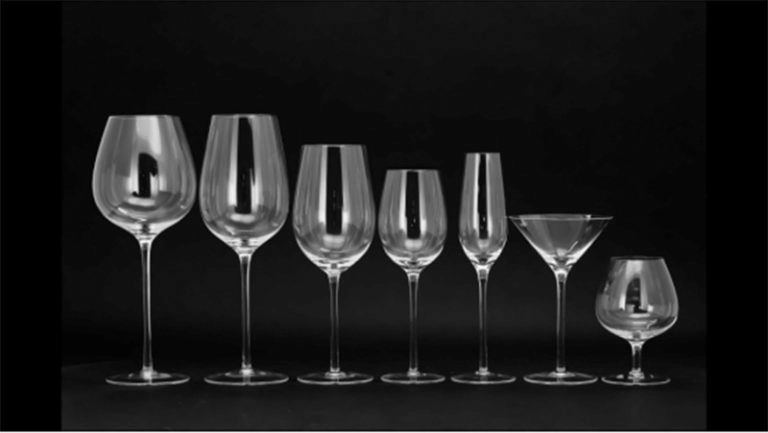
Sourcing fine dinnerware requires a reliable supply line that balances high-end artistry with commercial reality. If you are looking for an experienced manufacturer that turns rough sketches into stunning premium stemware, Perfect Select delivers exceptional custom solutions.
Specializing in lead-free crystal glass, this factory handles everything from free 3D design drafts to secure, container-optimized bulk packaging for top global brands. Their expertise in both mouth-blown and automated production makes them a highly trusted partner for international importers who refuse to settle for subpar quality. Evaluating premium wine stemware involves weighing the artistry of artisan creations against standard Machine-Made Crystal Glasses to see which fits a hospitality budget best.
The Structural Differences in Modern Glassware Production
Deciding between handcrafting and automation involves analyzing how the physical glass composition behaves under different manufacturing environments. Hospitality buyers often balance aesthetic rarity with high-volume consistency to populate their regional venues effectively.
The Artistry of Hand-Blown Craftsmanship
Mouth-blown glass relies entirely on the lung capacity and muscle memory of veteran glassmakers. Working without restrictive automated machinery, these craftsmen gather molten crystal on a blowpipe, inflating and shaping each piece freely. This manual method gives every vessel a distinct soul and fluid lines that heavy assembly lines cannot mimic. It takes years to master the rotation speeds required to keep the molten liquid perfectly centered during formation.
The Production Scale of Machine-Made Crystal Glasses
When your business model requires massive inventory updates, turning to automated lines makes perfect sense. Machine-Made Crystal Glasses provide unmatched uniformity across tens of thousands of units. Molds press molten liquid instantly, producing identical weights and stem dimensions that satisfy standard commercial distribution networks. For large retail brands, this structural precision means every item matches the catalog down to the millimeter.
The Impact of Manufacturing Techniques on Glass Thickness
The physical wall thickness represents a massive clear variance between manual and automated methods. Hand-blown pieces achieve an incredibly thin lip rim, which refines the drinking sensation by removing bulky material barriers. Automated outputs naturally feature a thicker profile to withstand rapid belt movement during factory cooling stages. A thicker rim increases structural weight but offers a familiar sturdiness for high-volume settings.
Evaluating the Sensory Performance and Aroma Delivery
The shape of a crystal vessel alters the chemical expression of premium drinks by managing evaporation pathways. Acquiring specialized Wine Glasses involves looking past generic containers to find engineered shapes that intentionally elevate the sensory journey for consumers.
Aroma Concentration via Tapered Rims
A narrow, tapering neck acts as a physical funnel for complex volatile compounds. As the liquid breathes, aroma molecules gather in the wider bowl and travel upward, concentrating directly at the rim instead of escaping into the room. This focus helps tasters catch delicate fruit bouquets instantly without alcohol burn overwhelming the nose. The angle of the curve dictates exactly how the scent encounters your senses.
Oxygenation Dynamics in Functional Bowls
Generous bowl dimensions give bold beverages the vital air surface they need to breathe. For full-bodied varieties high in tannin, strong oxidation smooths out rustic, sharp edges, bringing hidden flavor notes into balance. Conversely, sparkling drink vessels require wide openings to allow carbon dioxide to release gently, keeping the sensory presentation light and refreshing.
The Elimination of Beverage Character Distinctions
Modern serving styles frequently reject rigid, old-fashioned categorizations that separate glasses by specific grape names. Intuitive stemware designs prioritize the core characteristics of the drink—such as freshness, power, or delicate minerality—allowing you to select a vessel based entirely on the specific flavor profile you want to highlight. Sometimes, a single versatile shape uncovers more flavor depth than a cabinet full of niche alternatives.
Addressing Quality Imperfections and Manufacturing Tolerances
Handling global trade expectations means recognizing the distinct quality parameters of hand-made luxury goods versus automated batches. Western European and North American buyers require clear boundaries regarding acceptable variations to preserve brand trust with discerning clients.
The Acceptance of Minimal Air Bubbles
B2B buyers frequently ask whether premium mouth-blown glass should be entirely flawless. Because artisans shape each item by hand without closed molds, tiny air bubbles or minor surface variations are an inherent part of the handcrafting process. These micro-features prove hand-made origin rather than representing structural defects. It is simply the physical reality of manipulation at hot furnaces.
Variations in Dimensional Weight and Size
Mouth-blown items carry slight tolerances in height, bowl width, and final weight because no two movements by a human glassmaker are identical. When regional importers buy high-volume orders, bulk Machine-Made Crystal Glasses offer remarkable conformity across thousand-piece sets, whereas artisan sets celebrate beautiful individual variations. Acknowledging these variations helps establish clear consumer expectations.
Strict Layered Quality Control Standards
To guarantee premium presentation, modern factories employ multi-stage quality control checks throughout the production cycle. Skilled inspection teams review batches layer by layer, casting aside items with heavy aesthetic flaws or uneven bases. This thorough sorting ensures only pristine crystal advances to the final packaging stage, maintaining strict compliance with high-end market demands.
Before reviewing legal material standards, checking global consumption data helps clear up where premium glassware demand is growing fastest. The household goods sector shows resilient upward movements globally.
| Region | Main Feature | Represent a Nation | Annual Growth Trend |
| North America | High-end market prefers environmentally friendly and heat-resistant glass | United States, Canada | 5% |
| Europe | Strict food safety standards and retro designs are popular | Germany, France, United Kingdom | 4% |
| Asia-Pacific | Rise of the middle class has led to rapid growth in online sales | China, Japan, South Korea | 7% |
| Middle East | High demand for luxury glassware | United Arab Emirates, Saudi Arabia | 6% |
Safety Certifications and Durability for Global Markets
Entering strict international markets demands absolute material safety alongside long-term mechanical strength. Commercial buyers must verify that their glassware inventory can satisfy rigorous public health codes while maintaining its structural clarity over years of intensive use.
Compliance with Food Contact Regulations
Premium glass tableware must maintain verified safety credentials to pass customs lines smoothly. Leading manufacturers utilize high-purity raw materials to create lead-free crystal glass that safely honors fine beverages. Securing official FDA certification for the United States market and LFGB compliance for European regions protects your business from legal liabilities.
Resistance to Thermal Shock and Microstructural Stress
Sudden temperature shifts during washing or storage can cause micro-fractures in inferior glass mixtures. High-grade crystal formulas undergo precise thermal shock resistance testing to check molecular durability under rapid temperature changes. This structural safety prevents sudden cracking during heavy handling in busy restaurant service environments.
Premium Compositions for Long-Term Structural Integrity
Unlike custom mouth-blown pieces, bulk run Machine-Made Crystal Glasses achieve uniform glass distribution through heavy hydraulic press molds. Choosing a high-refractive-index crystal composition guarantees that the glass maintains its pristine, brilliant sparkle over extended periods, resisting the cloudy film development that often ruins cheap soda-lime alternatives. Investing in high-grade base materials reduces long-term replenishment expenses.
Sourcing Premium Wine Glasses and Custom Solutions
Standing out in a crowded market requires offering striking visual aesthetics combined with bulletproof product handling. Importers can elevate their brand catalogs by introducing specialized design accents alongside meticulous packaging strategies that secure bulk cargo over long ocean routes.
The Functional Appeal of Dark Stem Designs
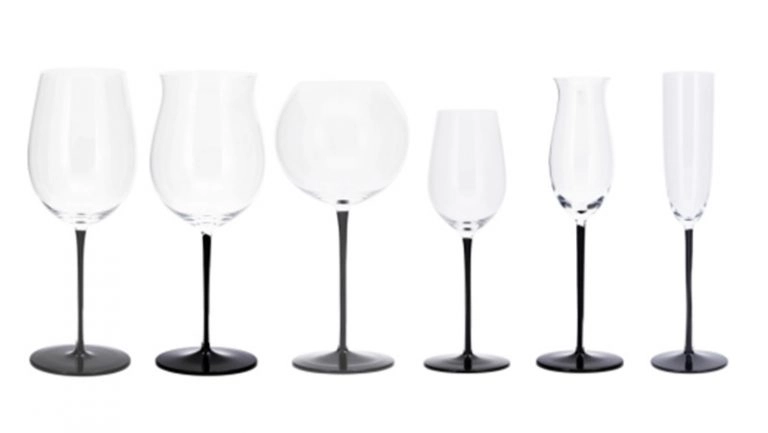
Visual contrast creates immediate luxury appeal on upscale dining tables. Sourcing from the Black Stem Black Bottom Series allows you to offer customers a stunning aesthetic layout, featuring solid black bases and elegant dark stems overlaid with transparent lead-free crystal. This design brings a dramatic visual balance that complements grand crus and sophisticated tasting events.
Bespoke Packaging Options for Damage Prevention
Protecting fragile crystal during international maritime shipping requires heavy investments in material engineering. Factories design customized interior layouts utilizing high-density EPE foam, biodegradable bubble wrap, or thick honeycomb paperboard. Packaging choices include premium printed color boxes, rustic wooden gift boxes, and reinforced postal sets that completely isolate the glassware from outside impacts.
Pre-Production Sample Approvals for High-Volume Buyers
High-volume contract procurement carries zero room for design errors. Even if your brand lacks completed CAD design documents, professional suppliers can draft 3D structural models from reference photos or simple ideas. Creating physical pre-production samples for client approval guarantees the final mass production run matches your exact brand expectations.
Partner with Perfect Select Ltd for Premium Glass Tableware Solutions
Elevating your hospitality footprint or retail catalog demands a manufacturing ally that merges design flexibility with robust logistics. Whether your procurement strategy focuses on hand-crafted masterpieces or reliable batches of Machine-Made Crystal Glasses, finding a dedicated manufacturing partner guarantees your long-term success.
Comprehensive OEM and ODM Technical Capabilities
Building a unique product line is simple when you partner with an expert team focused on flexible custom manufacturing. By checking our detailed corporate history, you will see a long history of helping global brands launch bespoke glassware lines. The factory handles custom logo engraving, color box development, and complex structural modifications with ease.
Global Supply Chains and Secure Logistics Networks
Navigating volatile freight costs requires smart supply chain management and container optimization schemes. We implement lean production methods to reduce factory waste and maintain stable raw material pricing for our clients. Our logistics networks comfortably support standard trade terms including FOB, CIF, and DDP to simplify international shipping routes.
Tailored Consultation for Seamless Custom Orders
Every high-yield glassware venture starts with a direct conversation about your specific market requirements. You can review our full spectrum of procurement Service options online to plan your next seasonal collection. To receive an accurate quotation, request free sample kits, or discuss your 3D design concepts, simply reach out through our Contact Us page to connect with a multi-lingual sales specialist today.
FAQ
Q: Do Machine-Made Crystal Glasses provide the same aroma clarity as custom hand-blown variants?
A: Yes. While hand-blown glasses offer a more delicate feel due to ultra-thin lip rims, automated crystal versions utilize the exact same grape-varietal-specific bowl geometry and tapered necks to concentrate aroma molecules effectively.
Q: Can you manufacture custom glassware sets if we only provide reference photos instead of 3D files?
A: Yes. Our design team specializes in converting basic customer concepts, sketches, or physical photographs into accurate 3D structural models, providing digital drafts for approval before starting sample production.
Q: What food safety standards do your lead-free crystal products comply with for export?
A: All glassware batches utilize premium lead-free compositions that fully hold FDA certification for the United States and LFGB food-grade compliance for European markets, guaranteeing toxic-free contact.

Post Comment