




What should a buyer expect when a glass idea is still a sketch, a reference photo, or a rough list of requirements? A capable glassware manufacturer should help turn that early brief into a product that can be sampled, checked, packed, quoted, and ordered against clear records.
This matters to importers, hotel groups, barware brands, retailers, and corporate gift buyers. The hard part is rarely finding an attractive glass. It is keeping the shape, artwork, quality level, packaging, and commercial terms connected from the first discussion to the bulk order. Perfect Select supports that work through product development, sample approval, quality control, packaging coordination, and B2B quotation support.
Start With the Buying Problem, Not a Catalogue Page
A Reference Photo Is Enough to Begin a Useful Discussion
Some buyers arrive with a finished drawing. Others have a similar product photo, a target market, and a general idea of the shape. Perfect Select has handled a goblet project that began without professional design files. After the buyer explained the required details, the team prepared a 3D design draft for confirmation, and the buyer moved on to a product sample order.
That example shows what the first conversation should produce. The buyer needs to state the intended use, approximate capacity, overall shape, target material, logo position, quantity, sales channel, and packaging idea. The manufacturer should then separate confirmed requirements from open points. Dimensions, weight, tolerance, production method, and MOQ should remain To be confirmed until they appear on the current drawing or quotation.
Existing Products Can Shorten the Development Path
Not every project needs a new shape. An existing family can give the buyer a faster way to compare bowl proportions and decide which details actually need customization. The Perfect Select Impression Series Wine Glasses product page provides a practical reference for buyers reviewing a coordinated stemware range rather than one isolated glass.
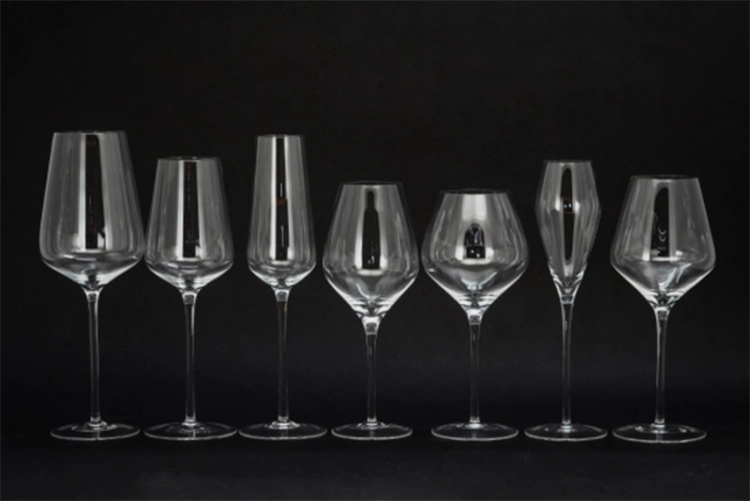
The image shows several bowl and stem proportions within one visual family. A buyer can use this type of comparison to choose a base model, then ask about logo work, colour, packaging, and any changes that require a new drawing or sample. It keeps the first brief concrete without assuming that the website image is the final specification.
Turn the Idea Into an Approval Record
Confirm the Drawing Before Paying for Bulk Production
A drawing should identify the model code, capacity basis, overall height, maximum diameter, rim diameter, base diameter, and target weight. It should also carry a revision number and date. If the product uses a logo or other decoration, keep the artwork file and placement proof under their own revision control.
Perfect Select has worked from customer drawings on a shot-glass project and has also created a 3D model after receiving a physical whiskey-glass sample. These are two different starting points, but the buyer still needs the same result: one approved reference that purchasing, production, and inspection teams can identify without guessing.
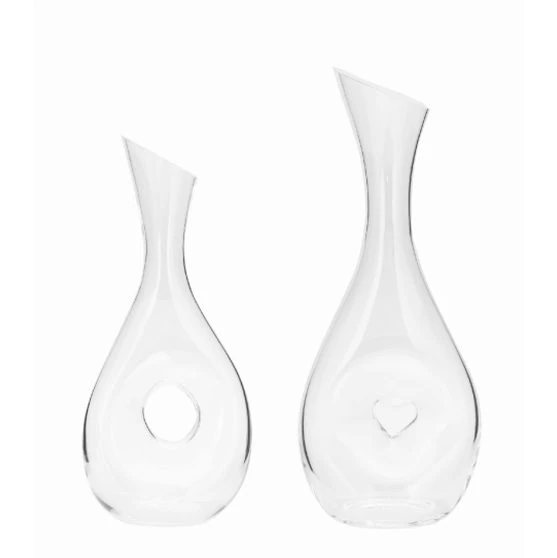
For unusual forms, the Perfect Select Unique Shape Wine Decanter product page shows why drawing control matters. A curved body, narrow opening, or asymmetric profile creates more measurement and packing questions than a standard straight-sided item. Each unknown field should stay visible until it is confirmed.
Use Samples to Close Decisions in Stages
An efficient approval path normally starts with the plain glass, moves to the decorated glass, and ends with the packed sample or packaging mock-up. Record the sample number, drawing revision, artwork revision, colour reference, and reviewer at each stage. Do not use a photo alone when a physical characteristic needs to be checked.
Perfect Select’s customer records include a German glassware brand that requested shot glasses, custom packaging, and a quality sample. The agreed approach was to provide samples first and use a signed sample as the production standard. Another buyer compared Perfect Select samples with samples from other suppliers before placing an order. Buyers can use the same process to compare shape, balance, finish, decoration, and pack presentation on a like-for-like basis.
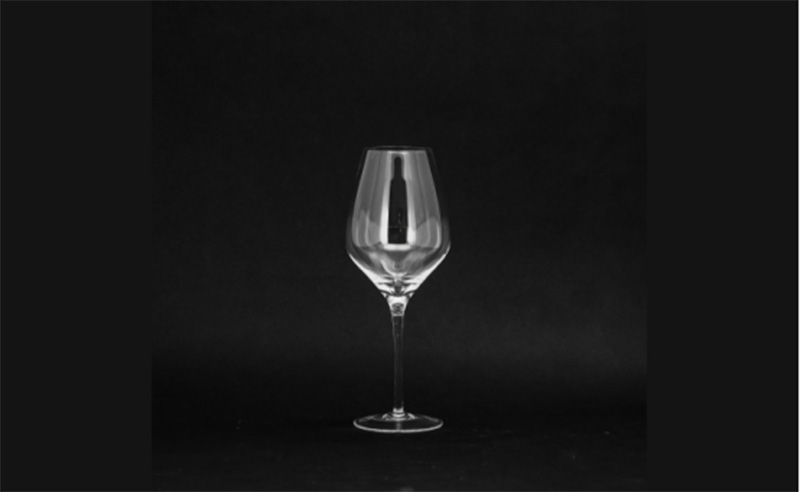
The single-glass image fits the sample stage: one exact model, reviewed against one drawing. Keep notes plain. If a dimension or visual limit has not been agreed, write Confirm on drawing instead of filling the space with an assumption.
Make Quality Control Specific
Handmade Character Still Needs an Acceptance Method
Handmade glass can show small variations. Perfect Select has explained to buyers that tiny bubbles may occur in fully hand-blown products, while defective pieces are removed through production-line quality control. A useful inspection document should therefore say what is checked, how it is measured, and what range is acceptable for the approved model.
For each SKU, ask for the current capacity basis, size and weight tolerances, rim condition, base contact, permitted bubbles or surface variation, logo position, colour reference, and packaging revision. The exact limits are To be confirmed unless they are written into the drawing, signed sample record, or inspection plan.
Production Method Changes the Commercial Question
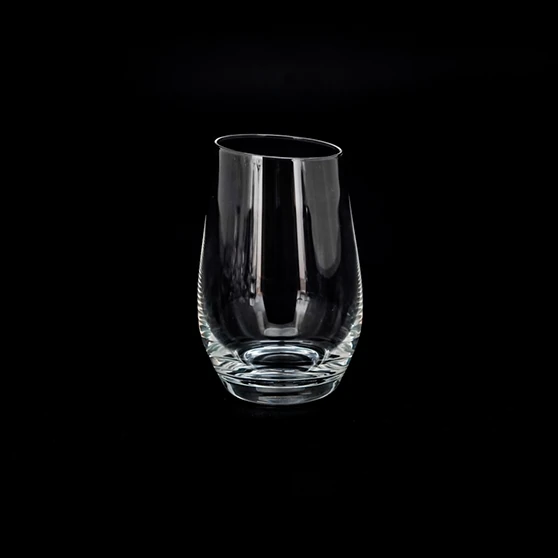
A machine-pressed item and a hand-blown item do not carry the same development path, MOQ, appearance, or tooling discussion. The Perfect Select Machine Pressed Whisky Glass product page gives buyers a specific format to compare when repeatability and a heavier pressed shape are part of the brief.
Ask the supplier to name the proposed method in the quotation. Then confirm whether a new mould is needed, what the sample represents, which tolerances apply, and how the inspection team will use the approved references. This is more useful than asking only whether the factory can make the glass.
Treat Packaging as Part of Product Development
Choose the Pack for the Sales Channel
A hotel case, retail pair, subscription box, and corporate gift set may use the same glass but require different inserts, printed copy, barcodes, and carton quantities. Perfect Select has supported custom colour boxes, gift boxes, wooden gift boxes, and postal packaging in past projects. The buyer still needs to define the actual structure for the current order.
Ask for the selling unit, box style, insert material, closure, printed areas, barcode position, care wording, inner quantity, master-carton quantity, dimensions, gross and net weight, and pallet information if applicable. Give the box and insert their own revision numbers. Approve the pack around the exact sample rather than a generic outline.
Keep Care Wording Consistent
Fragile glassware is handwash-only. Use warm water, mild detergent, and a soft non-abrasive tool. Put the same wording on the specification sheet, retail box, insert, and staff handling guide. Care copy is a small part of the artwork, but it still needs formal approval.
What Perfect Select Brings to a B2B Project
Design Support Without Hiding Open Questions
The strongest capability is not simply saying yes to customization. It is turning an incomplete brief into a sequence of decisions. Perfect Select has prepared 3D drafts from a buyer’s general idea, accepted customer drawings, created a model from a physical sample, arranged product samples, and coordinated customized packaging. Those steps give a buyer clear points to review before committing to bulk production.
The company can also discuss existing products first when a buyer wants to reduce development work. That approach may suit a first order, while a later project moves into a custom shape or branded pack. The choice depends on quantity, schedule, target price, product difference, and whether a new mould is commercially sensible.
Communication That Supports Purchasing
A purchasing team needs answers in one place. The quote should state the model, quantity basis, sample status, production method, decoration, packaging, inspection scope, MOQ, payment terms, Incoterm, and quotation validity. Open fields should be named rather than buried in email threads.
Perfect Select’s customer cases show buyers receiving product details, prices, samples, sample lists, images, videos, and packaging references during development. The value is practical: each item helps the buyer decide what to approve, revise, or compare.
Send an RFQ That the Factory Can Act On
Include the Technical and Commercial Inputs
Send the target market, intended use, reference image or drawing, capacity, dimensions, quantity, logo file, decoration position, colour reference, selling unit, packaging format, destination port, inspection requirement, and preferred Incoterm. State which fields are fixed and which can change.
Ask for the proposed production method, MOQ, drawing or mould work, sample cost and timing, current tolerances, unit-price basis, packaging details, inspection plan, payment terms, and quotation validity. Request a clear revision reference for every drawing, artwork file, sample, and pack.
Use the Perfect Select contact page when the brief is ready. A complete RFQ lets the team answer the real project instead of quoting a generic glass that only looks similar.
Judge Capability by the Records You Receive
A glassware manufacturer should be easy to evaluate through its work. Look for a clear drawing, a traceable sample, a specific inspection plan, a packaging specification, and a quotation that identifies open items. These records matter more than a long list of broad claims.
The same discipline helps with repeat orders. Keep the signed sample, drawing revision, artwork proof, packaging revision, and inspection record together. When the next quotation arrives, compare it with those references before approving any change.
Conclusion
The best way to judge a glassware manufacturer is to follow one project from idea to approved order. Perfect Select can support the path from a reference image or drawing through 3D development, sampling, quality review, packaging, and quotation. Buyers still need to keep every technical and commercial field visible. Start with a clear brief, approve one stage at a time, and place the bulk order against the final drawing, signed sample, pack revision, and inspection plan.

Post Comment