




A brand can start without a finished 3D file by choosing a documented base shape, describing the intended changes, and using samples to close the gaps. Personalized bar glasses do not have to begin with a perfect rendering. They need a clear development conversation.
A useful no-CAD brief contains four things: the drink or display role, the visual reference, the dimensions that must stay fixed, and the areas open to adjustment. That is enough to start a serious discussion without pretending that an untested drawing is production-ready.
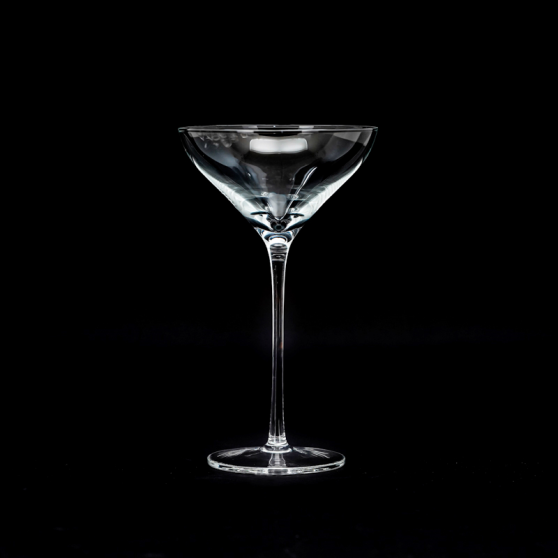
Personalized Bar Glasses Without a Finished 3D File
The first move is to select a real base shape. A supplier can respond to an existing model code far more precisely than to the phrase make it more premium.
Start with the Use Scene
Describe where the glass will appear: cocktail service, a hotel lounge, a tasting menu, a retail gift set, or a branded event. Note the intended drink, approximate pour, hand position, and display orientation. These details give shape to a conversation that has not yet become a 3D file.
Separate Fixed and Flexible Fields
Mark capacity, height, top diameter, and base width as fixed or flexible. Do the same for stem length, bowl profile, rim shape, color, and decoration area. A buyer can be flexible about a curve while remaining strict about shelf height or serving volume.
Use Visual References Carefully
A photograph, hand sketch, mood board, or existing sample can explain proportion and atmosphere. It cannot prove a final dimension, material, or production result. Label each reference by what it is meant to show so the supplier does not read a styling image as a technical drawing.
Turn a Rough Idea into a Product Brief
A short brief is more useful than a long paragraph of adjectives. Give the supplier a sequence that can be reviewed and corrected.
Dimension Map
List the target capacity, height, top diameter, width, and weight when known. The custom cocktail glass page provides a useful starting range: DLZ 105 is 350 ml, DLZ 106 is 220 ml, DLZ 107 is 300 ml, DLZ 108 is 120 ml, DLZ 109 is 310 ml, and DLZ 110 is 180 ml. These records help a brand anchor a rough concept to real scale.
Visual Intent
Explain what makes the design recognizable: a particular bowl line, an open top, a compact foot, a color contrast, or a decoration zone. Keep visual intent separate from claims about performance. The first is a design goal; the second needs evidence.
Commercial Constraints
Add target quantity, market, packaging expectation, price direction, timing, and reorder plans. A design that looks good but cannot fit the carton, shelf, or selling price is not ready for a commercial decision.
What the Cocktail Glass Range Can Do for Development
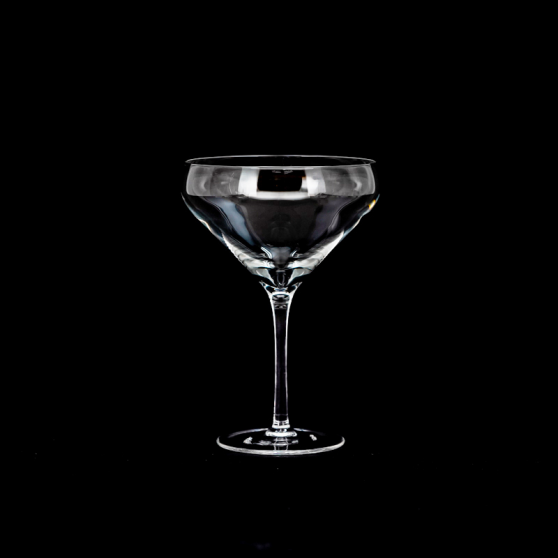
When a brand needs a starting point, the custom cocktail glass model is useful because six listed models give the conversation real alternatives. The page records lead-free crystal glass, hand-blown processing, hospitality use, and model-level measurements.
Choose by Volume
DLZ 108 at 120 ml and DLZ 110 at 180 ml can frame a smaller serve or tasting-led concept. DLZ 105 at 350 ml and DLZ 107 at 300 ml leave more room for a fuller presentation. The brand should decide whether volume is part of the identity or simply a service variable.
Choose by Silhouette
The listed top diameters run from 100 mm to 123 mm in the models with published values. That spread changes the visual opening and the way garnish or foam is presented. Use the model record to discuss silhouette without inventing a finished 3D geometry.
Choose by Approval Path
A base model can be the first sample, the reference for a modification, or the product that stays unchanged while only the decoration is personalized. Decide which path applies before asking for a quotation so the supplier knows whether the brief is a selection, adaptation, or new development discussion.
| Model | Capacity | Height | Top Diameter | Width | Weight |
| DLZ 105 | 350 ml | 170 mm | 100 mm | 101 mm | 121 g |
| DLZ 106 | 220 ml | 191 mm | 120 mm | 120 mm | 134 g |
| DLZ 107 | 300 ml | 208 mm | 123 mm | Not listed | 196 g |
| DLZ 108 | 120 ml | 190 mm | 103 mm | Not listed | 96 g |
| DLZ 109 | 310 ml | 155 mm | 105 mm | Not listed | 108 g |
| DLZ 110 | 180 ml | 190 mm | 108 mm | 112 mm | 149 g |
These model values come from the product knowledge base. They do not mean that every model can be changed in every way. They give a brand a factual starting point for the next question.
Sampling Without Pretending the Design Is Finished
Sampling is where an unfinished idea becomes easier to judge. The buyer should use each round to answer a small number of questions, not to change everything at once.
Round One Questions
Check scale, hand feel, rim position, visual balance, and the relationship between the glass and the drink. If the base shape is wrong, correct that before spending time on fine decoration.
Change Log
Record what changed from one sample to the next: height, bowl width, opening, stem, base, color, or artwork. A simple change log keeps the project from circling back to an earlier version without anyone noticing.
Approval Boundary
At approval, state what the sample proves and what it does not. A sample can confirm appearance and agreed dimensions; it should not be described as a certification, test result, or customer outcome unless supporting evidence exists.
From No CAD to a Reorderable Product
A no-file project becomes commercially useful when the final record contains a model code or drawing reference, approved dimensions, decoration instructions, material wording, packaging, and a clear version number. That record is more valuable than a polished image with no production notes.
A Clear Route for Personalized Bar Glasses
The final handoff should read like a purchasing record, not a creative brainstorm. State which details are approved, which remain open, who owns the next decision, and which version should be used for quotation. This gives Perfect Select a clean point from which to respond.
Supplier Handoff
Send the brief in sections and identify open questions. Ask which details the supplier can confirm from the product page, which require a sample, and which require a separate quotation or development review.
Service Conversation
For a brand that needs help moving from a rough concept to a sourcing conversation, review the glassware service information and include the target market and quantity in the first message.
Final Decision
Brands can create personalized bar glasses without finished 3D design files, but they should not skip product definition. Start with a real model, use references for proportion, test the questions through samples, and leave the project with a versioned specification. Then contact Perfect Select with the brief rather than with a vague request to make something unique.

Post Comment