




Pack personalized bar glasses as a product-specific system, not as empty space inside a carton. To reduce shipping breakage, control rim contact, stem movement, base pressure, carton compression, and the way each finished glass is identified. Perfect Select gives buyers model dimensions and packaging customization as a starting point for that conversation, but the final pack still needs to be confirmed for the selected glass and route.
Packaging should be decided after the glass model and personalization are fixed. A carton designed for a short whisky glass should not be assumed to protect a tall stemmed glass, even when both are sold as barware.
Personalized Bar Glasses: Packaging as a Product Specification
The first question is not how many pieces fit in a carton. It is where movement and pressure could reach the glass during handling.
Rim Clearance
Keep the rim away from direct carton pressure and from hard contact with dividers. This matters even more when decoration sits near the drinking edge, because the packaging must protect both the glass and the finished appearance.
Stem and Base Support
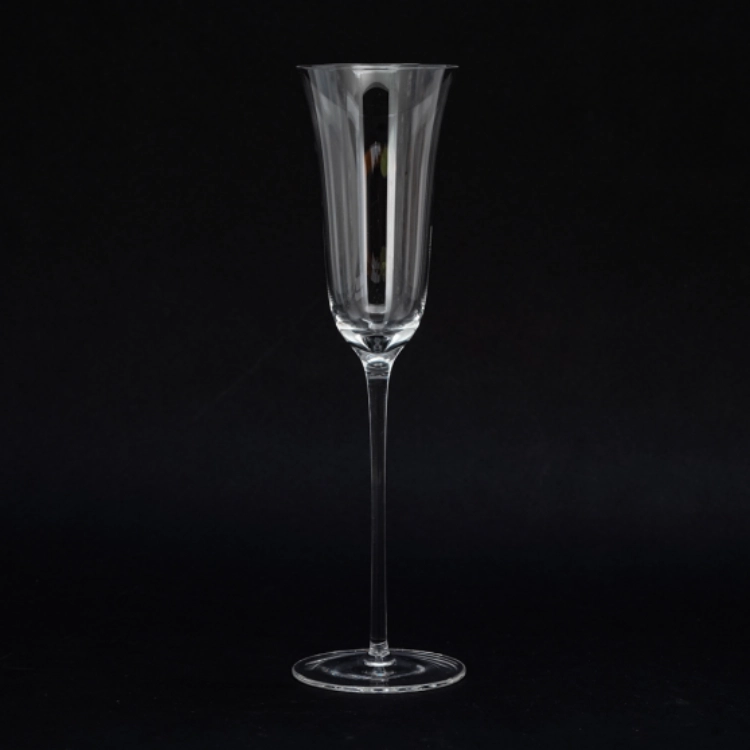
A stemmed glass needs support at the right points. The base should sit in a stable pocket, the stem should not carry the load of the carton, and the bowl should not swing into a neighboring piece. Buyers choosing durable stemware for high-traffic hospitality venues should also treat stem length, bowl width, base position, and finished weight as part of the product specification. Use shaped cells or fitted partitions when the product geometry requires them.
Carton Compression
Leave enough internal structure to prevent the outside carton from pressing directly onto the glass. Confirm the inner pack, outer carton, closure, labeling, and orientation together. A strong outer carton cannot correct a loose inner arrangement.
Match the Pack to the Selected Glass
Packaging risk becomes easier to manage when the pack is based on actual height, width, weight, and shape instead of a generic barware label.
Short Whisky Formats
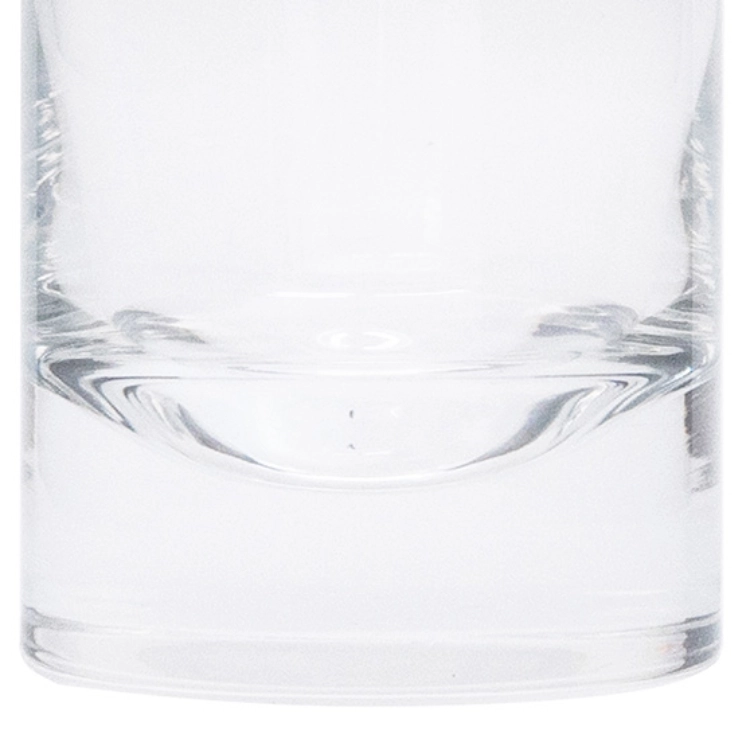
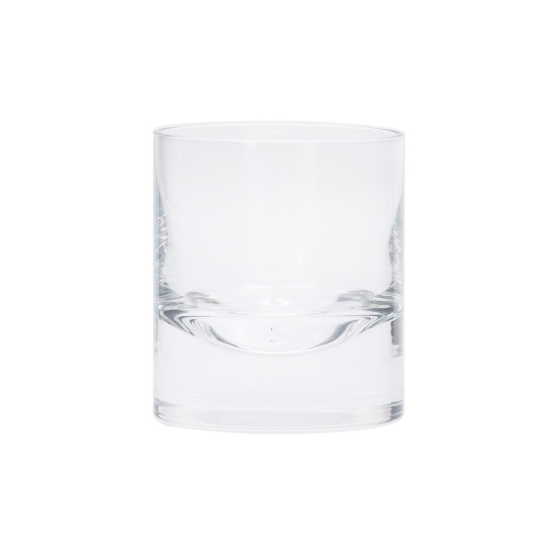
The Machine Pressed Whisky Glass models are listed at 98 mm high with an 84 mm top diameter and 362 g weight. The difference between heavy and lightweight whiskey glasses also matters when the inner pack is being planned, because weight changes how the glass behaves inside the cell. A short, heavy glass needs a cell that controls lateral movement and keeps the personalized surface from rubbing against adjacent pieces.
Tall Stemware
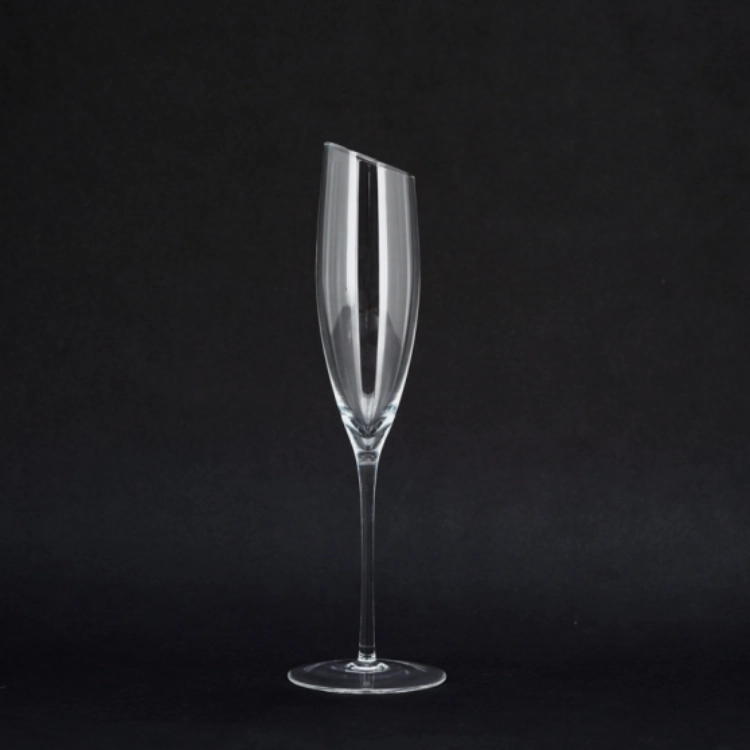
The Champagne Glasses packaging reference includes models from 235 mm to 295 mm in height. A pack for DLZ 019 at 245 mm should not be treated as identical to a pack for DLZ 010 or DLZ 025 at 295 mm. Height, stem length, and base position should be checked against the cell design. Ask for a pack drawing or sample layout that identifies the model and each support point before approving the carton.
Wide Cocktail Shapes
Cocktail shapes with large top diameters need protection from side contact as well as vertical pressure. The selected cell should leave a controlled clearance around the bowl and keep the base from sliding during carton movement.
Packaging Details That Protect Personalization
A personalized product has two things to preserve: the glass and the appearance. Packaging instructions should name both.
Surface Separation
Keep decorated surfaces from direct rubbing against glass, dividers, or loose accessories. State whether the personalized area needs a sleeve, a protective sheet, or a dedicated orientation. The supplier should confirm the actual method rather than receiving a vague request for safe packing.
Model and Carton Marks
Mark the model code, quantity, decoration version, and carton sequence. This reduces the chance that different sizes or artwork versions are mixed during warehouse handling or at the receiving dock.
Accessory Control
If a gift box, insert, card, lid, or bar accessory shares the carton, give each item a fixed position. Loose accessories can become moving objects inside an otherwise well-designed inner pack.
A Data-Led Pack Review
The table below shows why packaging should follow the model code. The numbers are published product specifications; the packaging decisions are procurement checks that still need confirmation.
Height Difference
A 50 mm height difference can change the cell, carton height, and closure pressure. Do not combine models only because their names sound similar.
Weight Distribution
Weight affects how the inner pack behaves when a carton is lifted and set down. It is not a shipping test result, but it is a reason to review base support, divider strength, and carton stacking instructions.
Route Conditions
Record the delivery market, transport mode, handling points, storage time, and receiving process. Packaging is a chain decision. The final pack should reflect the route that the buyer is actually using.
| Product Format | Published Model | Height | Top Diameter | Weight | Packing Focus |
| Short whisky glass | DLZ 060 | 98 mm | 84 mm | 362 g | Lateral movement |
| Tall champagne glass | DLZ 010 | 295 mm | 45 mm | 103 g | Stem and base |
| Tall champagne glass | DLZ 025 | 295 mm | 47 mm | 116 g | Cell height |
| Wide cocktail glass | DLZ 106 | 191 mm | 120 mm | 134 g | Bowl clearance |
How to Validate the Shipping Pack
Do not claim that a carton prevents breakage unless the relevant packing and handling conditions have been checked. Instead, define a validation plan that matches the order.
Sample Pack Review
Pack the approved glass using the proposed inner and outer materials. Check rim clearance, base seating, stem support, surface contact, carton closure, labels, and the ease of unpacking at the receiving end.
Handling Simulation
If the buyer requires a drop, vibration, compression, or route simulation, agree the method, sample count, acceptance criteria, and reporting format before calling it a test. No result should be implied when no test has been run.
Receiving Inspection
Give the receiving team a simple check: carton identity, quantity, visible packaging shift, model code, finish, rim, base, and personalized surface. Record issues with the carton and product location so the pack can be reviewed factually.
A Packaging Brief for the Next Order
The right pack for personalized bar glasses is the one that protects the exact model, keeps the personalized finish separated, and gives the receiving team a clear way to inspect the shipment. Ask the receiving team what labels and carton details they need before the pack is approved. It should be documented before the purchase order is released.
Send the Pack Inputs
Provide model codes, dimensions, weight, quantity per carton, decoration position, accessory list, delivery route, stacking needs, and receiving requirements. Include photos or sketches of the proposed cell layout when available.
Confirm Service Scope
Ask the supplier which packaging formats and customization details can be supported for the selected product. Keep packaging claims limited to what the quotation and approved pack actually cover.
Final Shipping Judgment
Proceed when the inner structure, carton, labels, route assumptions, and inspection plan are agreed. If the pack still depends on guesswork, pause the order and clarify it through Perfect Select’s service and contact channels. Good packaging is part of the personalized bar glasses specification, not an afterthought added at dispatch.

Post Comment