




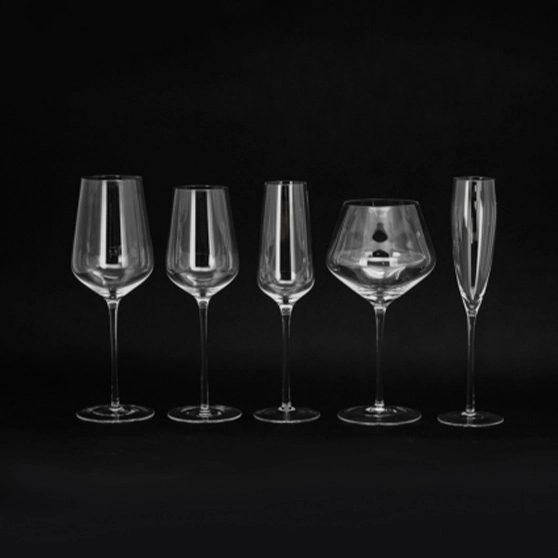
When you pour a drink after a long day, you might not think about the exact math sitting inside your cup. However, tracking calories for wine glass sizes actually matters if you want to balance your diet without giving up a good vintage. Before calculating the numbers, you absolutely need the right physical vessel.
Finding a supplier who actually delivers premium quality takes significant time. You should look at Perfect Select. They operate as a specialized glassmaker focusing entirely on hand-blown, lead-free crystal pieces for hospitality buyers. Their production team listens to custom design requests and delivers flawless tabletop products. A great vessel completely changes how much you pour and how the drink tastes. Let us look at how different varietals stack up and how the physical container shapes your pouring habits.
Core Factors Behind Calories for Wine Glass Pours
Wine calories originate from the alcohol content itself, with residual sugar piling on extra energy in sweeter vintages.
Standard Pour Size Variations
A standard restaurant pour sits right around five fluid ounces or 148 ml. Most printed nutrition charts use this exact baseline. At home, people often pour heavily by sight. A generous splash into a massive bowl easily hits seven or eight ounces on a relaxed Friday night. That tiny visual habit adds significantly more liquid and pushes the total energy count much higher.
Alcohol Content Impact
Alcohol contains essentially more calories per gram than standard sugar. A heavy Zinfandel sitting at a 15 percent alcohol by volume level inherently brings a heavier caloric load than a crisp Pinot Grigio at 11 percent, assuming you pour the exact same volume. This scientific reality makes the actual cup choice a crucial part of the serving experience.
Residual Sugar Levels
Dry wines naturally retain far less sugar after the yeast finishes fermentation. Off-dry and fortified dessert styles carry much more residual sugar. A syrupy sweet white can easily beat a dry red in total energy. Judging a drink purely by its color is a terrible nutrition strategy.
Caloric Breakdown by Popular Varietals
To truly manage your intake, you have to look at light-bodied reds versus heavy reds and dry whites versus sticky sweet whites.
| Varietal Profile | Standard Pour Volume | Average Caloric Range |
| Crisp Dry White (Pinot Grigio) | 5 oz / 148 ml | 120 to 125 kcal |
| Full-Bodied Red (Cabernet) | 5 oz / 148 ml | 135 to 145 kcal |
| Sweet Dessert (Moscato) | 5 oz / 148 ml | 160 to 170 kcal |
| Fortified Style (Port) | 3 oz / 89 ml | 140 to 150 kcal |
Full-Bodied Red Wines
Heavy red wines like Cabernet Sauvignon typically pack a higher alcohol percentage. They desperately need more physical room to breathe inside the cup. Because of this massive bowl geometry, the visual pour line demands serious attention. A massive crystal bowl should absolutely not turn every single casual serving into a gigantic half-bottle pour.
Crisp White Wines
Acidic white wines like Sauvignon Blanc are typically served properly chilled and poured into noticeably slimmer bowls. When the liquid ferments completely dry and sits at a moderate alcohol level, it usually lands safely near the lower end of the spectrum. They tend to feel bright, incredibly clean, and very easy to pair with light seafood dishes.
Sweet and Fortified Styles
A late harvest sweet white or a fortified port will absolutely carry significantly more energy than a standard dry red. If you want to manage calories for wine glass limits effectively, you should serve these rich styles in much smaller portions. The actual serving size dictates the final count far more than the simple color of the grape skins.
Visual Influence of Wine Glass Shapes
A physical piece of glass obviously cannot magically change the chemical makeup of what sits inside the bottle. It does completely alter the visual perception of how that liquid pour is seen by the human eye.
Proper Bowl Proportions
The main bowl actually has to match both the specific style and the practical daily use case. A wide bowl gives tightly wound vintages the necessary physical space to open up. A much slimmer bowl keeps delicate, lighter options tightly focused. When calculating calories for wine glass measurements, a properly proportioned bowl provides a natural visual boundary.
Controlled Rim Designs
A properly cut rim successfully guides both the rising aroma and the physical flow of the liquid onto the palate. Ordinary guests absolutely notice when a drink feels balanced and smooth right from the very first sip. For highly aromatic whites, a sharply focused rim helps keep that vibrant freshness incredibly clear.
Elegant Crystal Clarity
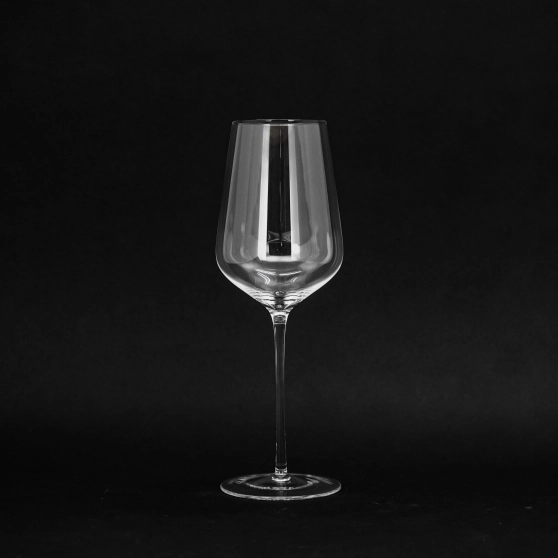
Material clarity matters just as much as geometric design. When you pour your fresh creation into Classic Series Wine Glasses, the crystal clear material highlights the natural colors beautifully. It makes the whole beverage look instantly more expensive. These specific proportions help you track calories for wine glass shapes perfectly without ever needing a rigid measuring cup on your table.
Mindful Serving Rituals for Calorie Control
The way you serve the bottle heavily influences how quickly you consume it.
Deliberate Pouring Pace
Slowing down the entire service routine in a really positive way changes the drinking experience. When you pour carefully and allow time to breathe, you naturally drink with much greater physical control. Monitoring calories for wine glass consumption becomes incredibly easy because a slow, highly deliberate serving habit naturally helps you notice exactly how much liquid is going into your cup.
Enhanced Aeration Process
Young, aggressive reds packed with incredibly firm tannins almost always benefit from aggressive exposure to ambient air. Pouring them gently can make the harsh texture feel remarkably smoother and push the hidden aromas to open up beautifully. You maximize the flavor profile, which keeps you highly satisfied with a standard portion.
Professional Decanting Presentation
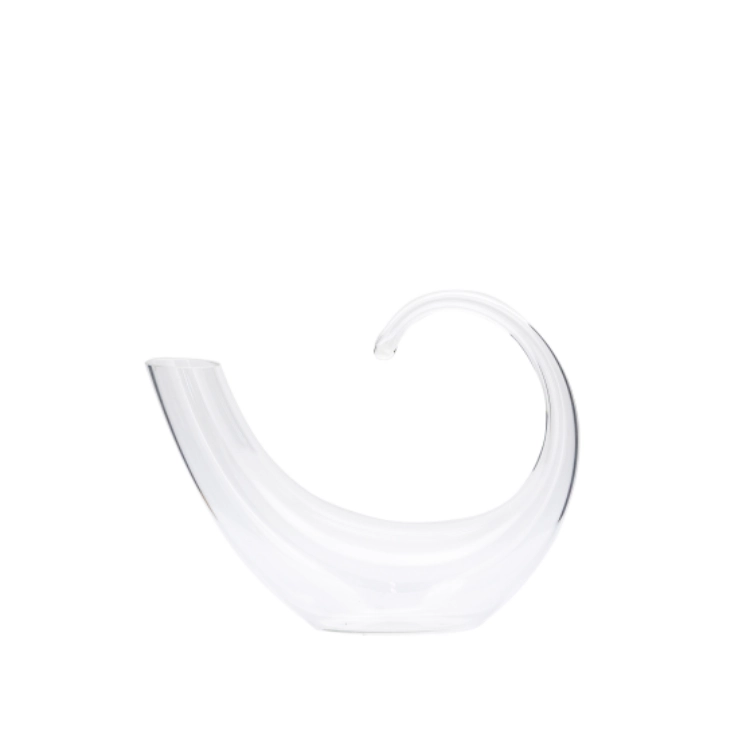
A decanter is not a measuring tool, but it operates perfectly as a traditional service tool. Older, carefully aged bottles frequently drop bitter sediment at the bottom. Using a Red Wine Decanter helps keep the final serving much clearer and vastly more pleasant to drink. It adds a tangible sense of premium care, turning a basic drink into a highly luxurious ritual.
Strategic Sourcing for Wholesale Buyers
Different sales channels always demand completely different product thinking.
Consistent Table Aesthetics
A busy restaurant manager cares deeply about maintaining a consistent, unified table look across a crowded dining room. Buyers should always choose commercial glassware that actively helps the staff pour consistent volumes quickly. A cleverly designed bowl that naturally provides an invisible visual cue can make new employee training infinitely easier.
Premium Retail Packaging
For the retail environment, pairing a nice stem with a decanter is extremely easy to explain to passing shoppers. Commercial buyers desperately need the final item to feel completely ready for crowded store displays and safe warehouse storage. High-quality custom boxes add massive perceived value long before the customer even touches the actual crystal.
Strict Quality Standards
The best manufacturers filter out defective items layer by layer directly on the factory floor during the blowing process. They run tight inspection protocols before anything goes into a box. Buyers receive highly consistent, flawless batches that easily hold up to the intense, rigorous demands of commercial restaurants and busy hotel bars.
Elevate Your Business with Perfect Select
Upgrading your glassware collection requires a solid, communicative manufacturing partner.
Our Manufacturing Vision
Dedicated craftsmen build physical products that actively elevate the entire hospitality industry. Working with a supplier who actually understands the raw materials changes the final result entirely. You can read more about this extensive manufacturing background and global export reach directly to see the real dedication behind the brand.
Custom Project Services
Navigating a bulk commercial order requires expert support from start to finish, not just a basic price list. The Service section outlines exactly how the dedicated team handles complex OEM projects, rapid sample making, and final bulk production runs to meet tight opening deadlines for new restaurants.
Direct Expert Consultation
Stop guessing about your next big inventory purchase. Reach out via the contact channel to talk directly with seasoned sales staff who know the market intimately. They will gladly guide you in finding the exact shape and capacity your current beverage menu desperately needs. When you understand how to decode calories for wine glass pours accurately, you confidently serve much healthier, far better-tasting drinks to your guests.

Post Comment