




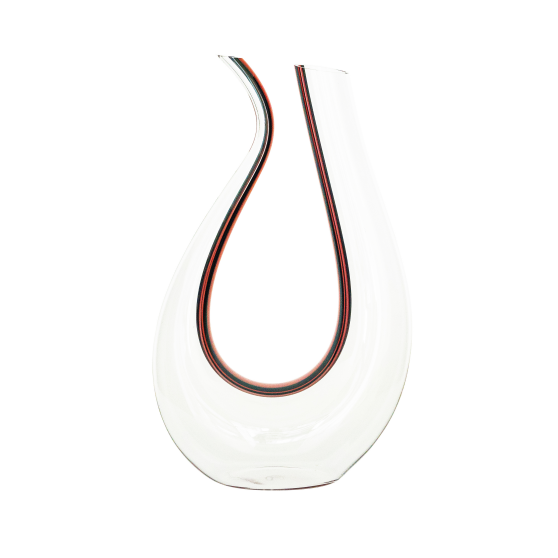
You have just enjoyed an impressive bottle of vintage Bordeaux. The evening went well. Yet, when you glance at the table, the leftover signs of the night appear. There is a lovely hand-blown container now marked by dark purple residue. The intricate U-Shapes in a lyre-style container catch the eye in a striking way. However, they can seem challenging for upkeep. If wine drops dry out, they form tough tannins. These tannins dull the shine of your lead-free crystal. Learning how to clean these fragile pieces is essential. It safeguards your purchase and maintains a polished look for your home bar.
Before exploring the exact methods for these containers, it pays to understand the makers of the top equipment. Perfect Select stands as a top-tier glassware producer. It combines classic hand-blown techniques with current accuracy. The company brings ten years of know-how in the B2B field. It produces items ranging from tailored whiskey collections to superior wine carafes. All products comply with rigorous FDA and LFGB safety rules for food. Experts in lead-free crystal, they employ a method that clears flaws step by step. This delivers the sharpness users anticipate. For instance, if a new brand requires a 3D prototype or a large run of tasting glasses, their staff manages the full process of high-quality glass making. They emphasize strength and visual excellence throughout.
The Necessity of Pristine Glassware for Pure Flavors
A spotless decanter goes beyond appearance. It concerns the science behind the wine. Pouring a quality vintage into a container means tasting the fruit and soil notes. You do not want traces of a previous Cabernet from weeks back interfering.
Removal of Stubborn Tannin Residue
Tannins serve as natural elements that build wine’s body. Yet, they function much like colorants. Allowing red wine to linger too much lets these elements stick to the glass’s small openings. As time passes, a brownish or purplish layer forms. Standard washing hardly removes it. Consistent thorough cleaning stops this accumulation. Thus, it avoids changing the aroma of the upcoming bottle.
Prevention of Cloudiness in Lead-Free Crystal
Numerous enthusiasts spot a pale, hazy layer forming within their carafes. This usually results from mineral buildup in hard water plus small marks from improper utensils. Opting for filtered water or targeted acid mixtures aids in preserving a strong refractive index. As a result, light travels through the crystal with its typical gleam. For further insight into the standards for these substances, visit https://www.perfectselectltd.com/about-us/.
Elimination of Residual Dish Soap Odors
A common error involves selecting a strong citrus-fragranced dish soap. Glass holds pores at the tiniest scale. When soap traces remain, they spoil the wine’s scent profile. Experts in cleaning prioritize odor-free approaches. This ensures the vineyard’s essence is all that lingers in the air.
Cleaning Hurdles with the Unique Shape Wine Decanter and its U-Shapes
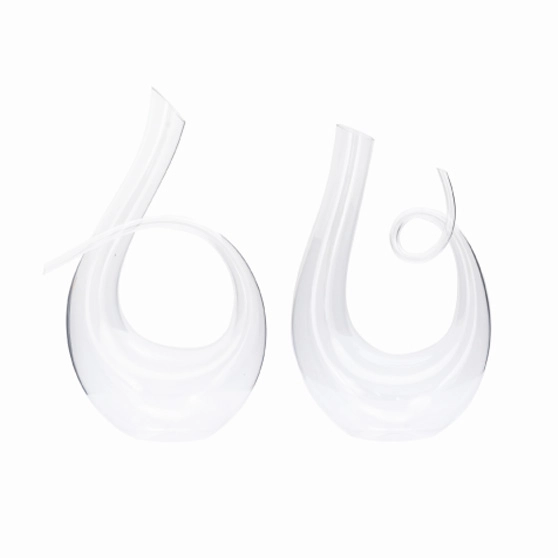
Containers such as the Unique Shape Wine Decanter aim to increase wine’s exposure area. Still, their form poses distinct difficulties. That small tap against the basin edge is a dread for any collector during handling.
Trapped Moisture in Narrow Looped Curves
The curves defining these U-Shapes resemble a lyre from Mozart’s era. They are exactly where liquid tends to linger. Limited air movement in these tight passages means dampness can persist for days. Consequently, it produces a damp odor or potential mold growth. Employing drying methods that direct airflow across the whole glass interior proves crucial.
Hard-to-Reach Areas within Hand-Blown Designs
Hand-blown without molds, each item varies slightly. Internal bends thus differ, complicating access for ordinary brushes to the base. Liquid frequently pools in the profound bends of U-Shapes. Proper mechanical effort is necessary; otherwise, the residue remains in place.
Structural Fragility of Slender Poured Mouths
High-quality carafes feature slim openings for smooth, spill-less pouring. Yet, this design marks the weakest spot. Forcing a bulky brush or fingers through risks breaking the material. Instead, choose implements that clean inward without stressing the edge.
Observe the sector’s shift toward superior substances through this yearly market expansion information:
| Region | Main Market Feature | Annual Growth Trend (2025-2026) |
| North America | Preference for heat-resistant and lead-free crystal | 5% |
| Europe | Demand for retro designs and strict food safety | 4% |
| Asia-Pacific | Middle-class consumption of online luxury goods | 7% |
| Middle East | High demand for customized luxury glassware | 6% |
Practical Tools for a Streak-Free Shine
Cleaning glass does not demand a lab setup. Nevertheless, certain dedicated supplies honor the fragile quality of handmade crystal.
Application of Stainless Steel Cleaning Beads
Small spheres like these prove invaluable for U-Shapes. Add them to the container along with some tepid water, then rotate softly. They access all base angles, mechanically removing wine marks without surface damage. Such a straightforward approach solves intricate shape issues effectively.
Natural Acidity of Distilled White Vinegar Soaks
Facing mineral marks from hard water calls for avoiding harsh cleaners. Turn to plain white vinegar instead. Allow the container to sit in it for about sixty minutes. The acid content dissolves lime and mineral buildups causing haze. After rinsing, no aroma persists following air drying.
Flexible Brushes for Complex Geometric Corners
In broader carafes, a bendable foam tool outperforms rigid bristle versions. Foam resists bacterial growth and flexes along inner surfaces. Therefore, it enables gentle, uniform force on marked spots. All the while, it upholds the clear quality of U-Shapes.
Specialized Care for the Color Series Wine Decanter
Products resembling the Color Series Wine Decanter display bold visual elements. Examples include solid black bases or tinted highlights over transparent crystal.
Protection of Solid Black Glass Bases
Black material in these upscale lines looks appealing. However, it reveals smudges and liquid marks more than plain versions. During washing, focus more on the outside. Employ a soft fiber cloth to polish the base until it gleams like a mirror.
Avoidance of Abrasive Scrubbing Pads
Refrain from rough green pads or metal wool on tinted glass. They may fade the sheen or remove coatings on lesser brands. Even with top producers, where hue integrates into the material, such tools cause fine scratches. These impair light passage over time.
Preservation of Brilliant Light Transmittance
Employing a tinted container highlights the difference between dark sections and lively wine hues. Polishing transparent parts to perfection enhances the overall effect. Ongoing upkeep maintains a keen refractive index. This proves vital for upscale displays.
Safe Handling Habits for Handcrafted Pieces
How one manages glassware between sessions shapes its durability. Incidents mostly occur in the washing and drying stages, rather than at gatherings.
Prevention of Sudden Thermal Shock
Crystal reacts strongly to heat shifts. Avoid rinsing a chilled carafe under hot water. Rapid expansion from this can produce fissures. Opt for warm water always. Permit the glass to reach ambient warmth prior to and following the process.
Gentle Air-Drying on Specialized Glassware Stands
Rather than placing glass straight up on fabric, select a dedicated holder. It positions the container inverted, so water flows from the U-Shapes. Air flows freely within at the same time. Only this method avoids unwanted liquid traces at the base.
Safe Cleaning for Handcrafted Glass Forms
Handcrafted decanters with narrow mouths, looped curves, or tinted details need slow and careful cleaning. Use lukewarm water, mild odor-free cleaning methods, and soft tools that can move through the curves without pressing against the rim. A few extra minutes of careful handling can protect the shape, clarity, and polished finish for long-term use.
Work with a Professional Manufacturer for Your Next Project
Business leaders seeking fine glass supplies require a collaborator versed in these details. Base heft to rim bend, each aspect counts.
Professional Customization Capabilities
Locating a provider to transform a basic concept into a digital model remains uncommon. For unique giveaways or eatery exclusives, OEM and ODM options offer great benefits.
Commitment to Quality and Craftsmanship
Inspect quality across all production phases. Removing flaws progressively ensures glass sharpness and robustness align with global norms. Such dedication forms the base for enduring business ties.
Direct Connection for Your Inquiries
Prepared to seek prototypes or negotiate large orders for a label? The steps ought to be simple. Securing a bid fitting budget goals and examining a real example best confirms standards. Begin the upcoming venture through the https://www.perfectselectltd.com/contact-us/ gateway.
Gaining skill in tending these U-Shapes keeps glassware as a table focal point for many years. Suitable implements plus some care allow crystal to stay bright like its creation day.
FAQs
Q: Why are U-Shapes so difficult to clean compared to standard carafes?
A: The narrow, curved design limits airflow and prevents standard brushes from reaching the bottom. This allows moisture and wine sediment to collect in the “loops,” which requires specific tools like cleaning beads to remove properly.
Q: How can I remove red wine stains from the bottom of a curved decanter?
A: Add warm water with stainless steel cleaning beads, then rotate the decanter gently so the beads can reach the lower curves. For mineral haze, a short white vinegar soak can help loosen buildup before rinsing and air-drying.
Q: How should I dry a U-Shaped wine decanter after cleaning?
A: Place it upside down on a dedicated glassware drying stand so water can drain from the curved sections. This allows better airflow inside the decanter and helps prevent water spots, damp odors, and residue in the narrow loops.

Post Comment