




Steady water tracking forms the core of solid utility handling. Still, even the toughest mechanical meters wear out in time. Your meter starts to break down. At first, the warnings stay subtle. This leads to money mismatches and work troubles. For users after solid metering gear, Chenshuo brings wide know-how. The firm sits in Linyi, China’s known “Water Meter Hub.” They have worked years to refine smart and basic metering tech. Annual output hits one million units. Plus, a tight ISO quality setup backs it. Chenshuo supplies the key parts for home and factory sites. It fits a single house or a big city net.
Why Is Your Monthly Water Bill Suddenly Skyrocketing
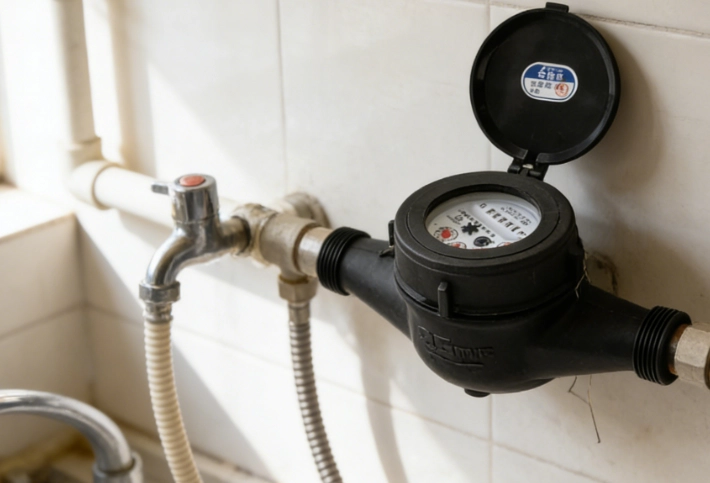
Odd costs mark the top warning that a problem hits your metering unit. Many users think a big bill shows more water use. Yet, the issue often rests in the mechanical counter or the line itself. A bad meter misses flow right. Or, it turns too sharp to pressure shifts. This brings “fake” counts that eat your funds. Such faults grow quiet. They build up over months. In the end, they cause real money loss.
Unexplained Increase in Utility Costs
A quick rise in your monthly note with no shift in habits points to a count mistake. Parts like the wheel or cogs can skip or stick. As a result, the counter leaps or misses the true amount through the unit. This mismatch hurts bills. It confuses users too. Moreover, it calls for quick checks to fix the root.
Invisible Leaks Within the Pipeline
Aged meters lose skill to spot low-flow drips, like a leaky tap or a steady toilet run. If the meter’s start flow has grown from years, these small issues hide for months. Then, the total cost piles high. This leads to surprise bills. It also wastes water. Plus, it pushes for better meter picks to catch such leaks early.
Mechanical Friction Affecting Dial Accuracy
After years, the rub between moving bits grows. This block makes the meter report low at some speeds and high at others. In turn, it forms a messy bill pattern that never fits real use. The shifts confuse tracking. They harm budget plans. Further, they stress the need for smooth parts in new units.
Common Indicators of Internal Mechanical Wear
Mechanical water meters stand as exact tools that need even motion. Internal parts start to fade. Then, proof shows in sound or sight if you check right spots. Skip these clues. A full halt follows. This brings guess bills and fights with water groups. Such steps raise costs. They cut trust in the setup. Overall, they harm smooth runs.
Erratic Needle Movement or Stalling
Look at the face while a faucet runs. If the hand shakes, jumps, or halts when water flows clear, the inside cog line has worn or blocked by bits. This sign warns of big faults. It needs fast look. Moreover, it points to full checks for safe flow.
Abnormal Grinding Noises During Operation
A good water meter works near quiet. If metallic rub, snaps, or loud buzz come from the box, the supports or turner have ground down hard. Failure looms soon. This noise flags wear. It calls for pro help. Plus, it saves from sudden stops.
Visible Moisture and Foggy Glass Covers
Dew on the face glass does more than annoy. It shows the seal broke. Water slips into the dry count space. Over time, rust hits the tally gear and leads to full break. This builds slow. It harms the core. Further, it urges seal checks in all setups.
Environmental Impact on Meter Measurement Precision
The area around shapes how long your gear holds. Tough water, heat changes, and dirt in the local flow all cut a mechanical tool’s life. Solid parts fight these hits, above all in spots with much salt in the water. Such factors test builds. They call for smart choices. In the end, they shape long-term output.
Severe Mineral Scaling in Hard Water
Lime and mag buildup clings to the inside turner. This coat adds load and shifts the wheel’s even. It brings slow work and wrong counts in peak times. The scale grows thick. It blocks free spin. Plus, it needs clean plans to keep true reads.
External Casing Corrosion and Rust
Basic metal meters fight poor in wet spots with air rust. Pick advanced stuff like the Rotary Mechanical Water Meter LXS-25NYLON. Its strong nylon shell fights rust and chem wear on its own. This holds in damp lands. It cuts fix needs. Moreover, it fits factory and home uses well.
Debris Accumulation in the Filter Screen
Sand, line crust, and other grains trap in the meter’s pull. A blocked screen limits flow and makes rough spin. This forces the inside turner to go at wrong rates. It wrecks the tool’s true. The clog builds fast. It harms all reads. Further, it asks for steady clear-outs.
Critical Factors for Selecting Durable Replacements
Time comes to swap a bad unit. Seek builds that ease fixes and give steady hold. The field now favors block styles. They let clean and part swaps without pipe cuts or full site breaks. These picks save time. They lower costs. Plus, they keep flow safe.
High Strength Reinforced Nylon Materials
Nylon grows as a top pick for home spots. It stays light, cheap, and very tough. These meters dodge the wet and rust in old brass or iron types. They suit new homes smart. This cuts long harm. Moreover, they match daily water loads fine.
Detachable Structures for Easy Maintenance
In big setups, the Detachable Woltman-Type Water Meter LXLC-80 leads the field. Its style lets the count part pull out without full body lift from the line. This saves work hours in normal looks. The ease speeds tasks. It trims down time. Plus, it holds site run smooth.
Multi Stream Design for Sensitivity Boost
Multi-path tech splits the in water to even lines before the wheel. This evens push and ups the meter’s feel. It makes sure low flows count right. The split aids true. It fits small uses. Further, it grows full trust in the gear.
Why Choose Chenshuo for Reliable Metering Solutions
Pick the right parts marks half the win. You need a team for tech aid and long steady too. A maker with full test and build lines checks every bit hits hard marks before your spot. This backs quality. It ensures fit. Plus, it grows user peace.
Professional Manufacturing Standards at Chenshuo
Special lines and clear shop views keep focus on exact. Their sites hold new flow watch and tune gear. Every unit out works to its set true. This builds firm output. It meets world rules. Moreover, it suits all site types.
Advanced Precision Engineering of Rotary Meters
The build of their rotary meters eyes low start flows and strong block to mix. These parts matter in now water handle. Every drop counts there. True stays key. This aids big plans. Plus, it fits modern needs tight.
Comprehensive Support via Contact Channels
From front sale site checks to after sale tech lessons, direct engineer reach helps much. Use their contact page to talk with a pro. Find the fit fix for your build this way. It clears doubts fast. It starts right paths. Further, it ensures long aid.
FAQ
Q1: How long does a typical residential mechanical water meter last?
A: Most mechanical meters are designed to last between 8 and 10 years. However, in areas with high sediment or hard water, you might notice accuracy issues as early as 5 or 6 years.
Q2: Can I clean my water meter to restore its accuracy?
A: For residential units, cleaning is difficult as they are often sealed. However, industrial models like the Woltman-type allow for internal parts to be removed and cleaned or replaced to maintain precision.
Q3: Why is my meter spinning even when all my taps are turned off?
A: This is usually a sign of a leak in your plumbing system. However, if you are sure there are no leaks, it could be “meter creep” caused by air trapped in the pipes or a faulty internal check valve.
Q4: Is a plastic water meter as strong as a metal one?
A: Modern reinforced nylon meters are incredibly tough. They handle standard residential pressures easily and offer the added benefit of being completely rust-proof, which is a major advantage over iron or brass.
Q5: Does a slow-moving meter always mean I am being charged less?
A: Not necessarily. While it might seem like a benefit, a slow meter can lead to issues with your utility provider, including estimated bills that might end up being much higher than your actual usage.


Post Comment