




When listing out glassware products for an extended period of time, the names can become quite numerous: Rocks glass, highball, goblet, wine glass, Champagne glass, brandy glass, cocktail glass. When perusing a catalog by a first time buyer, all of these shapes seem to be part of entirely different categories.
It is actually easier than that.
Drinking glassware can be sorted by the construction of the glass. There are three main types: tumblers, footed ware and stemware. The names for the types of glassware refer to the construction of the glass, not to the drink that is served in it.
When choosing products to sell in restaurants, hotels, bars, event spaces and to include in retail programs, the form of a glass must be considered. The form of a glass influences the user’s tactile experience of the product, the dimensions of the glass and thus the space it requires on a shelf, the type of drinks it is best suited to serve and how useful it will be in between servings.
What Are the Three Main Types of Glassware?
You do not need to memorize every glass name before buying. Start by looking at the bottom half of the glass.
Does the bowl sit straight on the base? Is there a foot underneath it? Or is the bowl raised by a stem?
That usually tells you which group you are looking at.
1. Tumblers: Stemless Glasses for Everyday Drinks
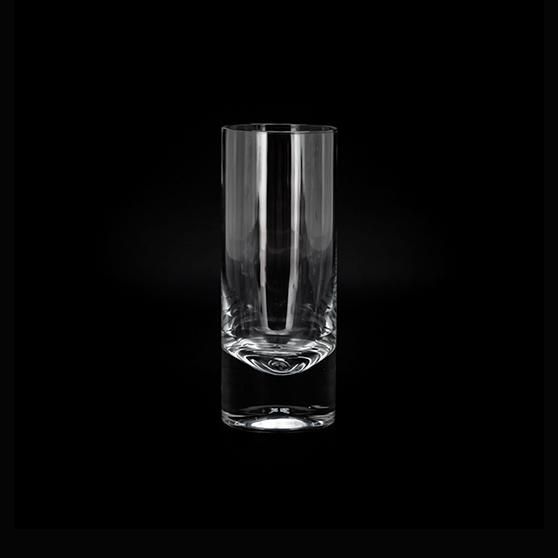
A tumbler has no stem. The drinking part sits directly on the base.
Rocks glasses, Old Fashioned glasses, highball glasses, Collins glasses, juice glasses, and many whiskey glasses are examples of general-purpose glasses. They are all very common, because they are all very easy to use and to store. In a busy bar, that counts for a lot.
A short tumbler works well with whiskey and cocktails over ice. A taller one gives more room for soda, tonic, juice, or other mixers. The same basic idea covers quite a lot of drinks.
Stemless wine glasses also fit naturally into this discussion. They keep the rounded bowl associated with wine glassware but remove the stem. Perfect Select offers a Stemless Glass range in several capacities, so buyers can choose different sizes without moving into traditional stemware.
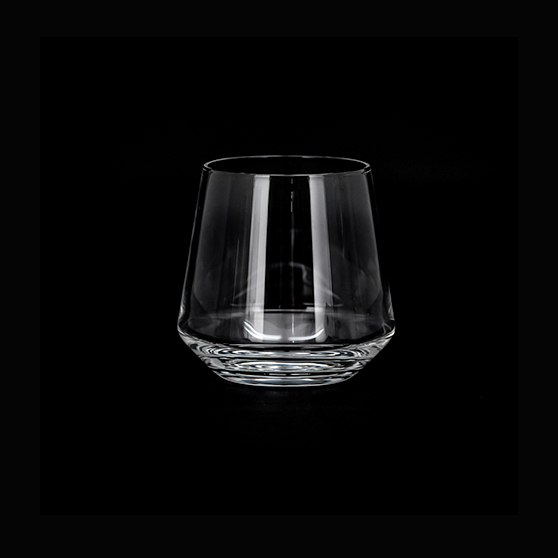
There is another practical point here. Stemless glassware normally takes up less vertical space. For a home cabinet that is convenient. For a restaurant with hundreds of pieces to wash and store, it can be even more useful.
Perfect Select has also covered the subject in its article on stemless glassware, where the focus is more on current use and styling.
Still, not every glass without a long stem looks like a basic tumbler. That is where footed ware comes in.
2. Footed Ware: Glasses with the Bowl Resting on a Foot
Footed ware has a separate foot or base, but it does not use the longer stem seen on a standard wine glass. The bowl sits directly, or almost directly, on that foot.
Some beer goblets and brandy glasses use this kind of construction.
In real product catalogs, the line can look less neat because suppliers usually organize products by drink type rather than by textbook structure. A beer glass can be straight-sided, footed, or stemmed depending on the design.
That is why buyers should look at the actual product profile instead of relying only on the category name.
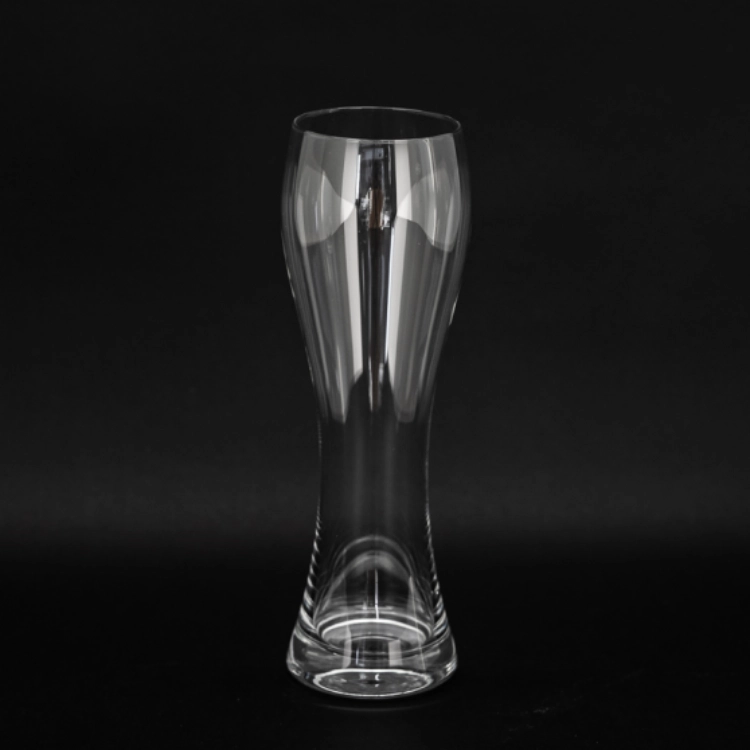
Perfect Select has a dedicated Beer Glass range with different capacities and shapes. If you specifically need footed ware, check the individual model drawing or product image. Not every beer glass will be built the same way.
img.Beer Glass.webp
Footed ware can be useful when you want more shape and presence than a plain tumbler but do not need a tall stem. It is often a practical middle ground.
Stemware takes the structure one step further.
3. Stemware: Glasses with a Bowl, Stem, and Foot
Stemware is easy to recognize. There is a bowl at the top, a stem in the middle, and a foot at the bottom.
Of course the wine glass is one of the most familiar types of stemware, but this category also includes some types of Champagne glasses as well as a few different styles of cocktail glasses and even a couple of brandy glasses.
The stem provides a surface for one to hold the glass when one does not want to grasp the bowl of the glass. The stem is particularly useful with wines, champagne, etc. as one tries to keep the liquid from warming up in one’s hand.
The bowl still does a lot of the work. A large red wine bowl behaves differently from a narrow Champagne shape. Even within stemware, one design cannot cover every drink equally well.
Perfect Select lists these products under its Stemware category. The Wine Series Wine Glasses range is a useful example because it includes several stemmed shapes rather than one standard wine glass.
Once you see the three groups side by side, the differences become easier to work with.
How Are Tumblers, Footed Ware, and Stemware Different?
The biggest difference is construction, but that is not the only thing a buyer should look at.
Once a glass sample leaves the sample room it has to function. Staff will carry it, wash it, put it away and replace it when it breaks. These operational details can be important in determining which of two different types of glass is more suitable.
Structure and Stability
Tumblers are usually the simplest.
Because the body sits directly on the base, many tumbler designs feel stable on the table. That is one reason rocks glasses and whiskey glasses are common in bars.
Footed ware lifts or separates the bowl slightly without using a long stem. Depending on the shape, it can still feel quite steady.
Stemware has more height and more separate parts. That gives it the familiar wine-service look, but it also means more care is needed during storage and washing.
For commercial orders, this becomes a practical cost issue as well. A good-looking glass is useful only if the venue can keep it in service.
Drink Type and Serving Style
The drink should still come first.
Whiskey over ice needs enough room for the pour and the ice. A highball needs height for mixers. Wine service may need a bowl that leaves room for swirling. Champagne is usually served in a narrower shape.
That is also why the three structural types should not be treated as strict drink rules.
A cocktail may be served in a tumbler or in stemware. Beer can appear in more than one structural type too.
Perfect Select organizes its glassware products mainly by product family, which is closer to the way buyers usually search. Once the basic structure is clear, it is easier to move into the specific Whiskey Glass, Cocktail Glass, Stemware, or Stemless Wine Glass category.
The company’s home bar glassware guide also goes further into individual glass shapes and their usual drink pairings.
Storage, Handling, and Presentation
This part is easy to overlook when you are choosing from photos.
Tall stemware needs more vertical storage space. A short tumbler is usually easier to stack into a cabinet or glass rack arrangement. Footed ware falls somewhere in between depending on the shape.
For a hotel or restaurant, I would also check how staff actually handle the glass. A glass that looks fine on a table may be awkward on a crowded tray.
Presentation still matters, of course. A wine-focused restaurant is probably not going to replace its whole stemware range with tumblers just because they are easier to store. The right answer depends on the place.
Which Drinks Work Best with Each Type of Glassware?
There is no need to make this more complicated than it is. Look at what people are drinking, then choose a shape that handles that drink well.
A few common examples make the choice clearer.
Whiskey, Highballs, and Everyday Drinks
Tumblers are a natural fit here.
Whiskey on the rocks, Old Fashioneds, Negronis, water, juice, and many mixed drinks work well in stemless glasses. The exact shape can still change quite a lot.
A rocks glass is short and wide. A highball is taller and narrower. Both are tumblers, but they do different jobs.
For buyers building a wider range, the Perfect Select collection is a better place to compare several product families instead of looking at one glass in isolation.
Beer, Brandy, and Specialty Serves
Beer is where classification gets interesting.
A beer glass may be straight, goblet-shaped, footed, or stemmed. The drink name alone does not tell you enough.
The same applies to brandy. Bowl size, opening, base, and stem length can all change from one design to another.
If the project specification says “footed glassware,” ask for dimensions or drawings before ordering. That is safer than assuming that every goblet or beer glass fits the same structural definition.
Wine, Champagne, and Stemmed Cocktails
Stemware is still the normal choice for wine and Champagne service in restaurants, hotels, weddings, and formal events.
The stem gives the user another way to hold the glass. The bowl can then be selected around the drink.
Red wine usually uses more bowl space. Champagne often uses a narrower profile. Stemmed cocktail glasses may use a wide coupe bowl or a V-shaped Martini form.
For custom or wholesale projects, glass shape is only one part of the order. Packaging, logo work, samples, molds, and production details can matter too. Perfect Select describes these areas on its glassware service page.
How Should You Choose the Right Type of Glassware?
Most buyers do not need every shape in the catalog.
It is better to start with the actual drinks and the way the glass will be used. That usually cuts the list down quickly.
Choose by Drink and Capacity
Capacity is the first thing I would check.
A glass can look large in a photo and still be too small once you add ice, garnish, foam, or a full cocktail recipe.
Check the usable space, not only the listed volume. Rim width matters too. So does the bowl shape.
If the drink is simple, the glass does not need to be complicated.
Choose by Handling and Daily Use
Think about the people using the glass every day.
A hotel breakfast area may need something easy to hold and replace. A cocktail bar may care more about the shape of each serve. A wine restaurant will probably put more attention on stemware.
Home users have another concern: cabinet space.
There is no single “best glassware” answer because the working conditions are different.
Choose by Product Consistency and Supply
For B2B orders, I would also check whether the supplier can keep the same size, weight, finish, packaging, and decoration from one order to the next.
That becomes important when a hotel or restaurant has to replace broken pieces six months later.
Perfect Select covers several glassware categories for hospitality, retail, and other commercial projects. Buyers can start with tumbler, footed, or stemmed construction, then narrow the order by drink, capacity, design, and use.
Conclusion
The three main types of glassware are tumblers, footed ware, and stemware.
A tumbler has no stem. Footed ware has a bowl sitting directly on a foot or base. Stemware uses a stem between the bowl and the foot.
That basic classification is enough to make most glassware catalogs easier to read. From there, the useful questions are simple: what are you serving, how much space does the drink need, how will the glass be handled, and where will it be used?
For most buyers, those answers matter more than collecting as many different glass shapes as possible.

Post Comment