




Start with the drink, not the decade. A short pour over one large cube asks for a low glass with a firm base; a citrus-heavy serve needs more room at the opening. That is the practical way to choose vintage bar glasses for a working menu. Vintage is a mood, not a capacity chart. Write down the finished drink, ice, garnish, and table setting first. The shape follows from those choices.
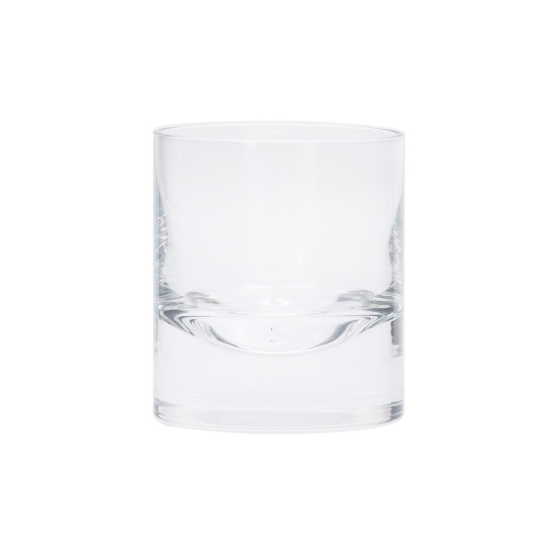
Vintage Bar Glasses by Cocktail Shape
Look at the glass after the drink is built. Ice height, liquid level, and garnish should feel deliberate, with enough empty space to make the presentation readable.
Low and Heavy
An Old Fashioned-style serve usually looks at home in a low, weighty glass. One large cube can sit above the base without turning the pour into a tall drink, and the citrus peel remains close enough for its aroma to register at the rim.
Tall and Narrow
Long mixers need another silhouette. Give soda, tonic, or a layered build vertical room so the ice and garnish do not crowd a rocks-sized bowl. The change in height also tells staff at a glance which service they are carrying.
Wide and Open
Choose a wide opening when a large peel, herb, foam, or broad garnish is meant to be noticed. The extra space is useful at the pass too; staff can place the finish cleanly instead of balancing it on a narrow top.
Match Ice, Volume, and Garnish
Cocktail names alone are not enough. Two bars may serve the same drink with different ice, garnish, and final volume, so the build sheet should sit beside the glass shortlist.
Spirit-Forward Serves
For a short whisky pour or an Old Fashioned-style build, begin with the 240 ml Heavy Base models. Two stand 105 mm high and one stands 92 mm high. Those figures put the choice in rocks-glass territory, while the exact menu still decides which profile feels right.
Stirred Cocktails
A Manhattan or Negroni may arrive over ice in a low glass, yet another menu may serve the same family of drink up in stemware. Use the bar’s recipe and temperature plan. The vintage styling comes after that service decision.
Garnish-Led Drinks
Large peels, cherries, and aromatic garnishes need a little breathing room. Check the opening and bowl width against a real build before approving a catalogue image; the garnish should sit with the drink, not fight for space above it.
The Heavy Base Whisky Glass as a Buyer Reference
For a vintage bar program built around short serves, the Heavy Base Whisky Glass range gives buyers three listed models with a clear capacity and weight spread. The page records lead-free crystal glass, hand-blown processing, and restaurant, hotel, and bar use.
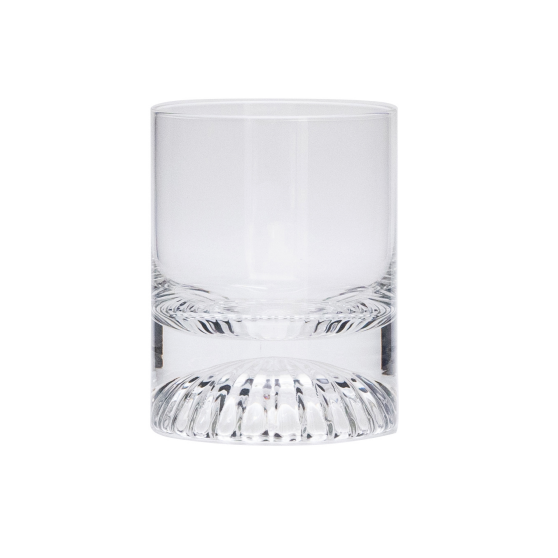
DLZ 053: High Weight
DLZ 053 is listed at 240 ml, 105 mm high, with an 81 mm top diameter and 554 g weight. It gives a buyer a strong visual base for a classic rocks presentation, subject to the venue’s shelf and service preferences.
DLZ 054: Same Footprint
At 240 ml, DLZ 054 shares the 105 mm height and 81 mm top diameter recorded for DLZ 053, but its listed weight is 434 g. That is precisely the sort of near-match that needs a visible model code on the barware plan.
DLZ 055: Lower Profile
DLZ 055 keeps the 240 ml capacity but drops to 92 mm in height; the page records an 83 mm top diameter and 550 g weight. It sits lower on the counter, so check how that profile feels in hand and whether it clears the rack.
| Model | Capacity | Height | Top Diameter | Weight | Best Review Point |
| DLZ 053 | 240 ml | 105 mm | 81 mm | 554 g | Grounded rocks serve |
| DLZ 054 | 240 ml | 105 mm | 81 mm | 434 g | Same footprint, lower weight |
| DLZ 055 | 240 ml | 92 mm | 83 mm | 550 g | Lower counter profile |
The model data above is drawn from the product record. The cocktail pairings are selection guidance, not a claim that one model is the only suitable glass for a named drink. Compare vintage bar glasses as a planned set rather than as isolated pieces.
When a Vintage Look Needs a Different Shape
A vintage mood can be built with proportion, clarity, weight, and table context. It does not require every drink to use a heavy low glass.
Long Drinks
A highball-style drink, a tall mixer, or a layered serve needs more vertical room. Forcing it into a low rocks shape can make the garnish and ice look crowded and can weaken the menu’s visual hierarchy.
Lighter Presentations
A drink served neat or with a small amount of ice may not need the same base weight as a rocks serve. Compare how much glass the guest sees, how staff clear it, and how it sits beside food.
Mixed Menus
A bar with both short and tall drinks should create a small family of shapes instead of calling one glass universal. A shared vintage color or table setting can connect the range even when the silhouettes differ.
Choose the Drink Before the Decoration
The drink should decide the working shape; the vintage styling should refine the appearance. Record the cocktail family, final volume, ice format, garnish, glass height, opening, base, and storage position before placing a bulk request. Make that comparison before the quotation is issued.
A Buying Decision for Vintage Bar Glasses
Give every shortlisted glass a job. One might handle short drinks over ice; another belongs to long mixers; a third earns its place because the garnish needs room. Run that list against the busiest menu period, not a styled photo session. Where two shapes duplicate each other, keep the one staff can store, carry, and reorder more cleanly.
Menu Mapping
Make a simple menu map that assigns each drink to one glass role. This prevents a buyer from selecting three attractive models that all serve the same short pour while leaving long drinks without a suitable format.
Supplier Background
When the buyer needs a current manufacturer rather than an untraceable vintage source, review the company background and product approach and ask questions tied to the selected model.
Final Cocktail Judgment
The final choice should make sense when the drink is sitting on the bar: low for a short pour, tall for a long mixer, open when aroma or garnish needs space. Send Perfect Select the drink map, model codes, rack limits, and quantities. The quotation can then follow the menu instead of a loose request for something vintage.

Post Comment