




Case prices are easy to collect. The harder part is finding glasses that still make sense once staff have washed, stored, and served them. Before comparing quotations, settle the bowl, capacity, production method, care instructions, packing, and acceptable variation.
That is the useful way to approach wholesale wine glasses. Start with the job each model must do. Then turn those needs into a specification that the supplier can sample, inspect, pack, and repeat.
Begin with the Service Setting
Match the Glass to the Buying Environment
A banquet department moves a lot of glasses through service in a short time. A wine bar is more likely to split its range across different pours and bowl shapes. Retail buyers have another set of concerns: gift packaging, shelf display, and how the set appears online.
Start with the usual pour and the place where the glass will be used. Add ice or garnish space where needed, then check rack height and the preferred washing method. Products that fail any of those checks can come off the sample list early.
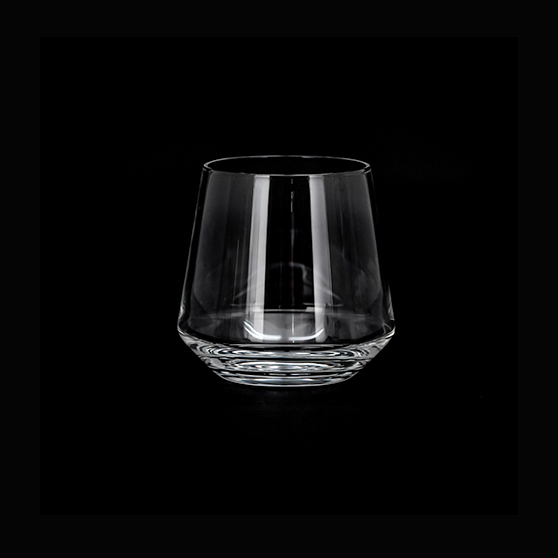
Match the Bowl to the Wine Program
Vision Collection Models
Perfect Select’s Vision collection is organised around wine character instead of a simple red-versus-white split. This gives buyers a practical way to shortlist bowls for a menu or retail range.
Model 5480-04 covers white and red Burgundy, Piedmontese wines, complex white and red wines, rich rosé, and vintage Champagne. Model 5480-02 covers pure grape varieties and fruity or aromatic red and white wines, including Riesling and Sauvignon Blanc. Model 5480-03 is intended for powerful wines and young or middle-aged Bordeaux. Model 5480-01 covers fresh white wines, Prosecco, sparkling wine, and light rosé.
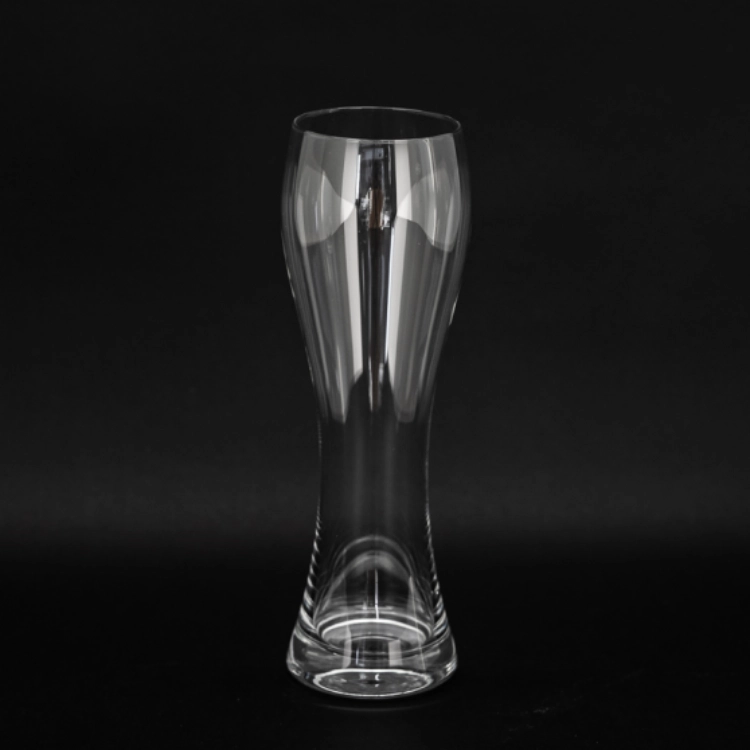
The black-stem BF15R is a Riesling Grand Cru glass for fruit-forward white wines with high acidity and residual sugar. BF08R uses a black stem and black base. BF225 is a Bordeaux glass for full-bodied, complex red wines with high tannin. These fragile glass products should be handled carefully and should not be placed in a dishwasher.
The table below separates confirmed model information from the measurements that still need to be entered on the approved drawing. If a measurement is missing, leave it open for drawing review. A similar-looking glass is not a safe source for that number.
| SKU | Intended use | Capacity | Dimensions | Weight | Tolerance | Care |
| 5480-04 | Burgundy, Piedmontese wines, complex wines, rich rosé, vintage Champagne | To be confirmed | To be confirmed | To be confirmed | To be agreed | Confirm by model |
| 5480-02 | Pure grape varieties; fruity or aromatic red and white wines | To be confirmed | To be confirmed | To be confirmed | To be agreed | Confirm by model |
| 5480-03 | Powerful wines; young or middle-aged Bordeaux | To be confirmed | To be confirmed | To be confirmed | To be agreed | Confirm by model |
| 5480-01 | Fresh white wine, Prosecco, sparkling wine, light rosé | To be confirmed | To be confirmed | To be confirmed | To be agreed | Confirm by model |
| BF15R | Riesling; fruit-forward white wine | Confirm on drawing | Confirm on drawing | Confirm on drawing | Agree at sample approval | Fragile; handwash only |
| BF08R | Black stem and black base | Confirm on drawing | Confirm on drawing | Confirm on drawing | Agree at sample approval | Fragile; handwash only |
| BF225 | Full-bodied, complex, high-tannin Bordeaux | Confirm on drawing | Confirm on drawing | Confirm on drawing | Agree at sample approval | Fragile; handwash only |
Values marked “To be confirmed” or “To be agreed” must be entered on the approved drawing or sample record before ordering.
Use the model descriptions to build a shortlist. The sample then has to earn its place in the range: check the bowl opening, overall height, usable capacity, rack fit, and tray handling under the venue’s actual working conditions.
Decide Whether Handmade Variation Fits the Order
Black Stem Models
BF15R, BF08R, and BF225 are handmade. Small differences in size and weight, tiny bubbles, minor imperfections, and slight surface variation may occur with this production method.
Do not leave acceptance open to interpretation. Record the approved sample ID, target dimensions, target weight, allowable dimensional tolerance, allowable weight tolerance, and the defect limits agreed for bubbles, scratches, rim finish, colour, and surface marks. The supplier and buyer should sign the same version before production.
A handmade line can suit a project that values individual character. A buyer who needs tight visual uniformity should define narrower acceptance limits and inspect more than one sample. Keep the signed sample, drawing, colour reference, logo artwork, and packing instruction under one approval number so future orders use the same baseline.
Confirm Care Instructions by SKU
Fragile Glassware Care
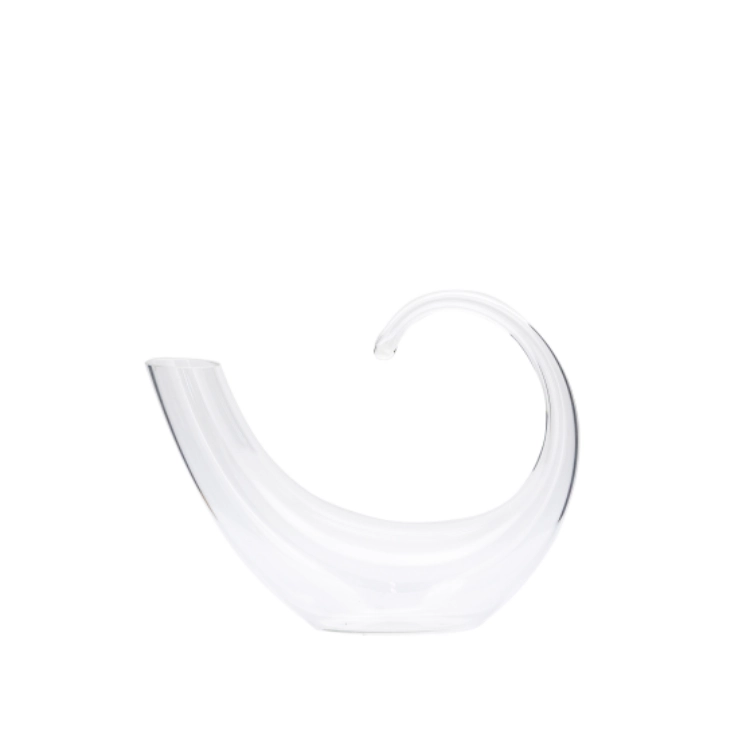
Care information is model-specific, but these fragile products should not be placed in a dishwasher. The U-shape and Black Tie hand-blown decanters require handwashing. Handle every glass carefully and confirm the final handwashing instruction for each SKU.
Confirm the handwashing method for every SKU and print the approved instruction on the specification sheet and retail packaging. Do not place these fragile glasses in a dishwasher or extend one model’s care instruction to another item. Buyers can review the Perfect Select Wine Series Wine Glasses and the Perfect Select Stemless Glass product before confirming the selected model.
Put Measurable Fields on the Sample Approval Sheet
Fields for the First Quotation
A quotation is easier to compare when every supplier receives the same brief. Ask for the following values in writing:
- Nominal and usable capacity in mL
- Total height, maximum diameter, and rim diameter in mm
- Target piece weight in g
- Allowed dimensional and weight tolerances
- Rim finish, stem alignment, base flatness, and colour reference
- Acceptable bubble, scratch, inclusion, and surface-mark limits
- Logo method, artwork position, and colour standard
- Pieces per inner pack and master carton
- Inner protection, divider, carton dimensions, gross weight, and pallet plan
- Inspection report format and sample approval reference
- MOQ, production scope, destination port, and Incoterm
When requesting a Perfect Select quotation, ask the team to confirm sample approval, inspection reporting, MOQ, OEM/ODM scope, packaging, and the applicable Incoterm. The Perfect Select Perfect Black Stem Black Bottom Series is a useful product reference when discussing development, production, finishing, packaging, and quality control.
Use an Acceptance Record That Can Be Checked
Inspection and Approval Fields
The approval sheet should contain numbers, not words such as “about” or “similar.” Enter the agreed target and tolerance beside each measurement. Beside each check, name the measuring tool, the number of pieces to inspect, the inspection stage, and the approver.
Appearance criteria need a viewing distance, lighting condition, rotation method, and defect limit. Packing records need the quantity, protective material, carton construction, carton dimensions, gross weight, and pallet arrangement. Any required drop, vibration, or transit test should be named in the purchase specification, together with the result needed for acceptance. Do not claim a test has been passed until the report for that order is available.
Review Packaging with the Product Sample
Pack Configuration
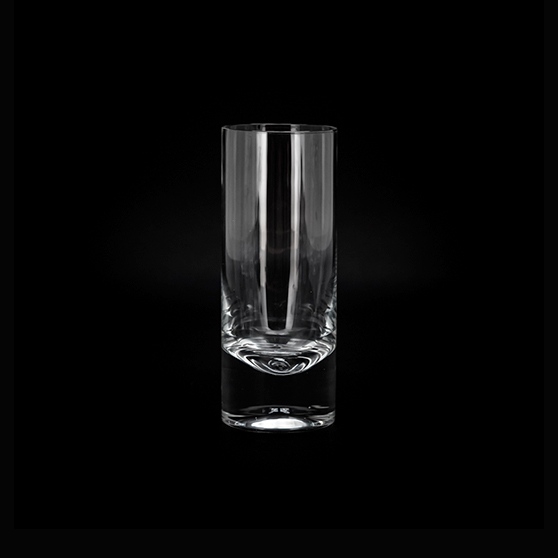
Glassware packing should be reviewed before the product is released for production. A tall stem, wide bowl, and heavy base create different pressure points. EPE foam, expanded polystyrene, honeycomb paperboard, bubble wrap, shockproof packaging, and palletised packaging are possible terms in a packing discussion, but the final choice must match the glass and shipping route.
Ask for a packed sample or packing mock-up. Check how the glass is removed, whether the rim or stem touches another hard surface, how much movement remains inside the carton, and whether the retail box stays presentable after distribution. A good-looking glass is not ready for an export order until the packing has also been approved.
Plan for Order Consistency
Keep One Approved Specification
Hotels, restaurants, and retailers should keep the approved product record with the model code, mould or drawing revision, dimensions, weight range, glass colour, decoration position, packing revision, and approved sample number.
If any part changes, ask for a new comparison sample before releasing a repeat order. This is especially important when a range contains both handmade and other production methods, because the buyer may apply different acceptance rules to each line.
Compare Total Order Fit, Not Just Unit Price
Commercial Comparison
The lowest unit price does not settle whether a glass suits the project. Put product specification, sample status, inspection requirement, packaging, trade term, lead-time confirmation, and order plan on the same comparison sheet.
For a hotel or restaurant, daily handling and repeat availability may matter more than another decorative finish. For a retailer, presentation and pack consistency may carry more weight. For a wine brand, the bowl profile, logo treatment, and fit with the wine program may lead the decision.
Conclusion
Wholesale wine glasses should be sourced from a measurable service brief, not from photographs alone. Fix the use, bowl profile, dimensions, weight, production method, acceptable variation, care instruction, packaging, inspection method, and trade term before comparing offers.
To request a workable quotation, send Perfect Select the target SKU or reference image, capacity, dimensions, expected quantity, logo process, packaging format, destination port, required inspection documents, and preferred Incoterm through the Perfect Select contact page. Ask the team to return the missing fields on the same specification sheet before sample approval.

Post Comment